guide
Best Base Layers for Cold Weather: Merino Wool vs Synthetic vs Blends
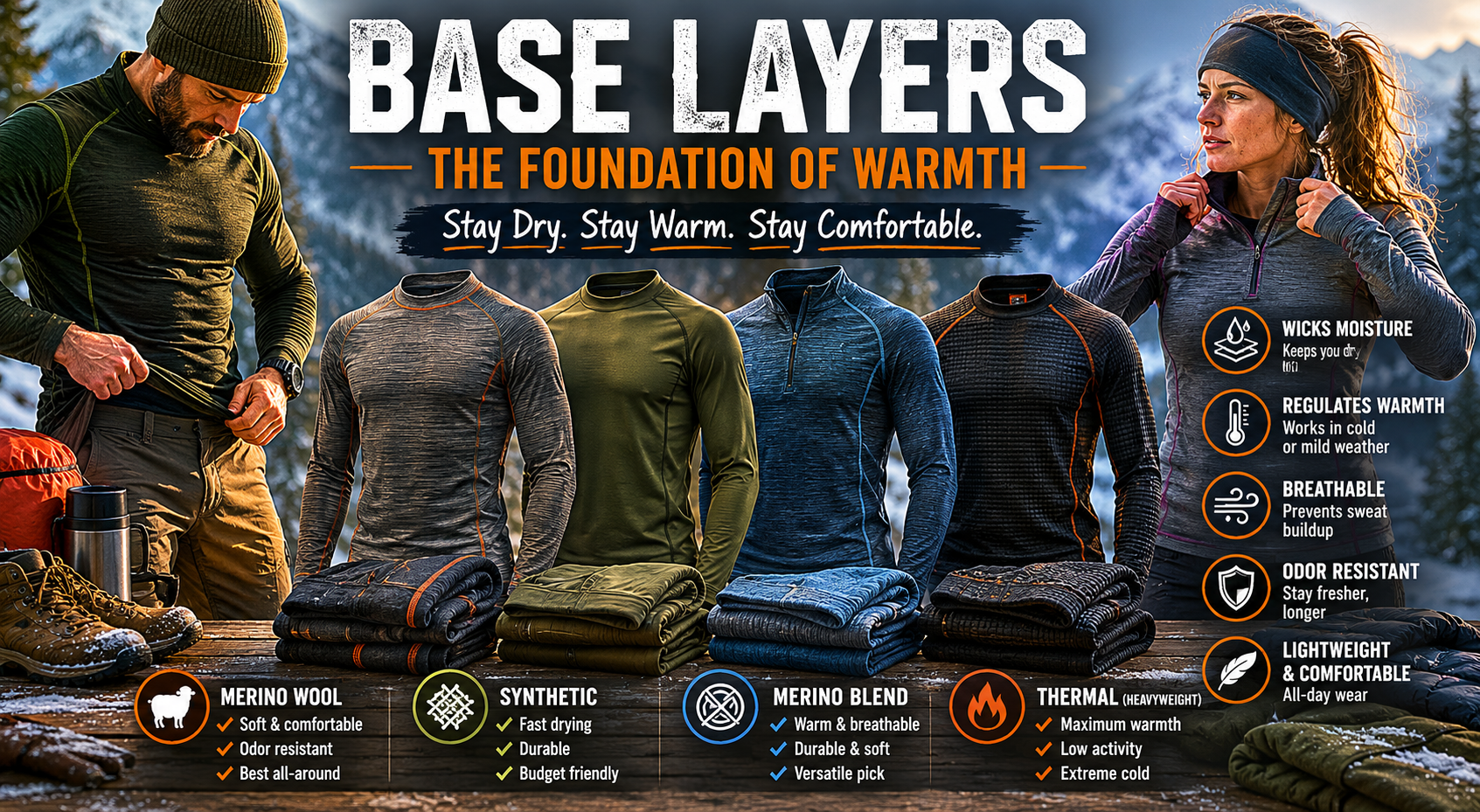
Base layers are the first line of defense against cold, sweat, and bad layering decisions. This guide compares merino wool, synthetic, blended, and heavyweight thermal base layers so you can pick the right one for work, hiking, hunting, camping, and winter wear.
Base Layers / buying_guide
Published: May 26, 2026 / Updated: Jun 2, 2026
Prices, availability, and product details can change. Check current details with the seller before buying.
Article
Overview
A good base layer does more than keep you warm. It manages sweat, dries at the right speed, feels comfortable against your skin, and helps the rest of your clothing system work better.
That is where a lot of buyers get tripped up. A thick thermal shirt may feel warm in the store, but if it traps sweat during activity, it can leave you cold once you stop moving. A lightweight synthetic layer may dry fast, but it can hold odor after a long day. Merino wool is comfortable and naturally odor-resistant, but it usually costs more and can wear out faster than tough synthetic fabrics.
This guide breaks down the main types of base layers, where each one works best, and what to look for before buying.
Heavyweight thermal base layers
Heavyweight base layers are built for warmth. They are thicker, warmer, and better suited for low-movement cold-weather situations.
They can be great for ice fishing, deer stands, winter camping, outdoor security work, or standing around in freezing weather. But they can become a problem if you sweat in them. Once soaked, a thick layer can hold moisture and make you colder later.
Best for: low activity, extreme cold, long periods of standing or sitting
Watch out for: overheating, sweat buildup, bulk under clothing
BuyerProbe take: useful, but not the best first base layer for active people
BuyerProbe take
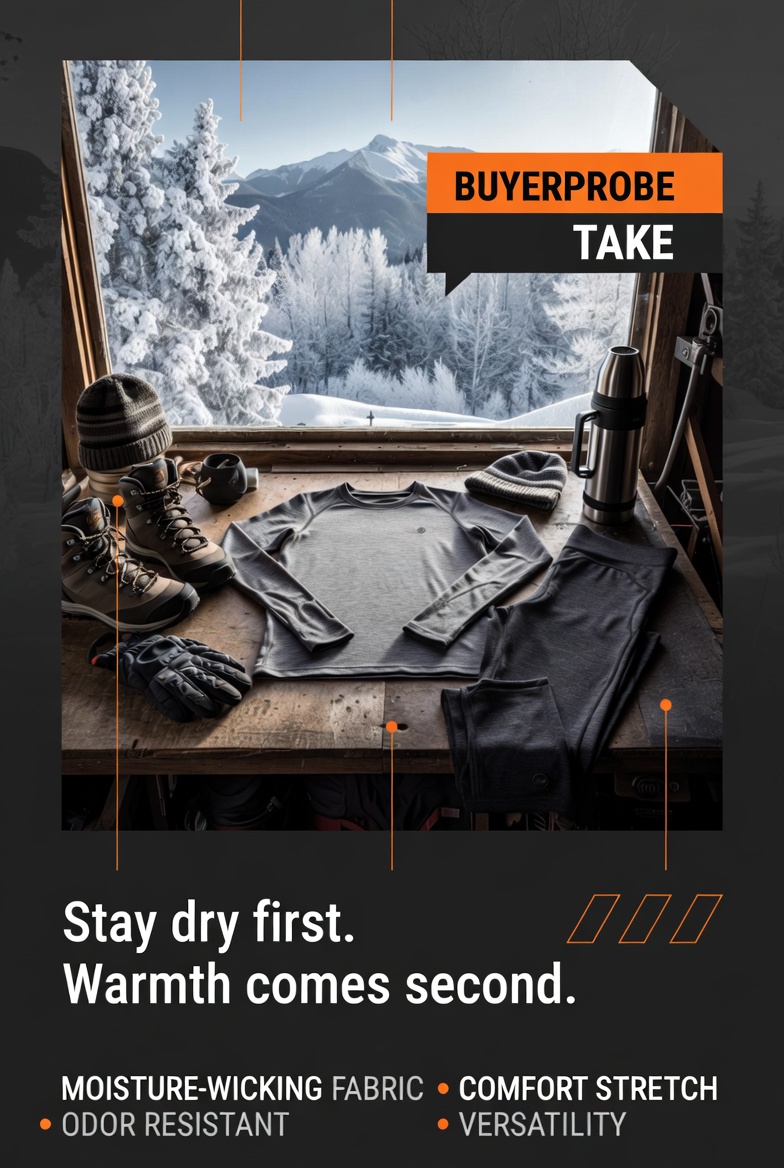
The best base layer is not always the warmest one. It is the one that keeps your skin dry enough to stay warm. For most buyers, a midweight merino blend is the safest pick because it handles sweat, odor, and comfort better than cheap cotton thermals or bulky heavyweight layers.
Avoid cotton as a serious cold-weather base layer. Cotton absorbs sweat and dries slowly, which can make you colder when activity stops. For real winter use, stick with merino wool, polyester, nylon, or blended performance fabrics.
Why base layers matter
A base layer sits directly against your skin, so its main job is moisture management. Warmth matters, but staying dry matters more.
When you move, your body sweats. If that sweat stays trapped against your skin, it can cool quickly when you stop hiking, working, hunting, or riding. That is why a base layer should pull moisture away from your skin and help it move outward into the next layer.
A good base layer should:
Wick sweat away from your skin
Dry faster than cotton
Feel comfortable under other layers
Add warmth without too much bulk
Control odor during long wear
Match your activity level, not just the temperature
Synthetic base layers
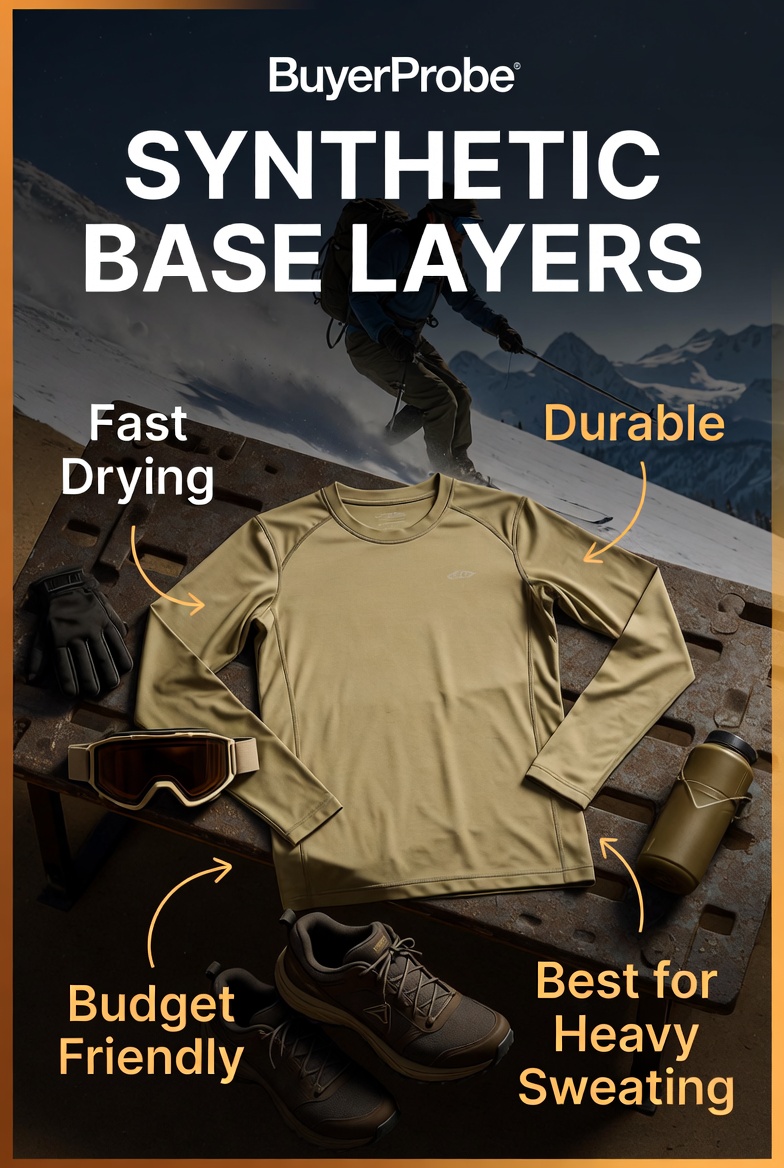
Synthetic base layers are usually made from polyester, nylon, spandex, or a performance blend. They are common because they are affordable, durable, stretchy, and fast drying.
Synthetic is the better choice for high-sweat activity. If you are trail running, skiing hard, snowboarding, climbing, working outside, or moving constantly, synthetic fabric can dry faster and handle abuse better than wool.
The downside is odor. Many synthetic shirts hold smell after a long day, even when they still perform well.
Best for: high-output activity, budget buyers, fast drying, durability
Watch out for: odor buildup, less natural feel than merino
BuyerProbe take: the practical pick for heavy sweating and rough use
Lightweight base layers
Lightweight base layers are thin, breathable, and made for movement. They are not the warmest option by themselves, but they help manage sweat without overheating.
These are best for active cold-weather use or mild weather layering. A lightweight top under a fleece or shell can work better than a thick thermal when you are moving hard.
Best for: hiking, running, skiing, fall weather, high-output work
Watch out for: not warm enough for standing still in deep cold
BuyerProbe take: choose lightweight when sweat control matters more than insulation
Midweight base layers
Midweight base layers are the most versatile choice. They add noticeable warmth without becoming too bulky or sweaty for moderate activity.
This is the category most people should start with. A midweight merino, synthetic, or merino-blend top can handle winter errands, camp chores, hunting, hiking, and everyday layering.
Best for: general winter use, camping, hiking, hunting, work, everyday wear
Watch out for: may be too warm for intense activity
BuyerProbe take: the best starting point for most buyers
Merino blend base layers
Merino blends try to combine the comfort and odor control of wool with the durability and stretch of synthetics. These are often made with merino wool mixed with nylon, polyester, or spandex.
For many buyers, this is the sweet spot. A merino blend usually lasts longer than pure merino, feels better than cheap polyester, and performs well across changing conditions.
Best for: all-around use, hiking, winter travel, daily wear, mixed activity levels
Watch out for: blend percentages vary, quality depends on the brand
BuyerProbe take: the safest recommendation for most people
What to avoid
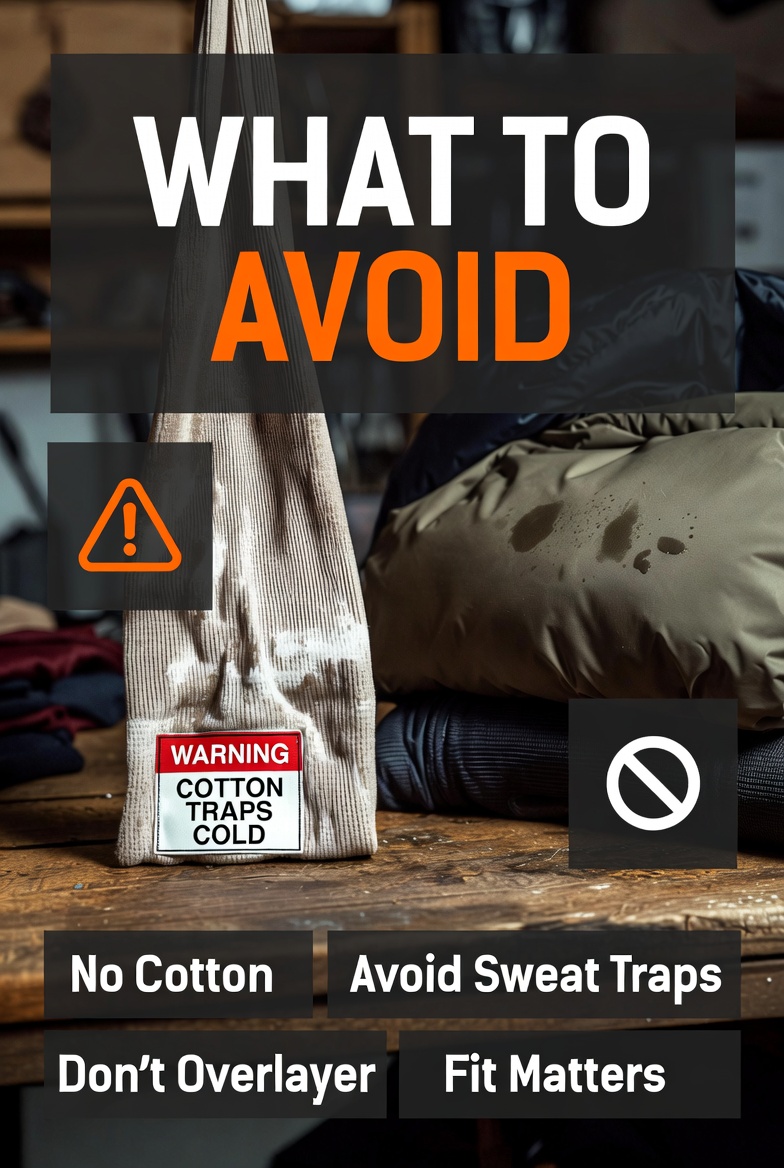
The biggest mistake is buying a base layer like a regular warm shirt. A base layer is performance clothing, not just underwear with long sleeves.
Avoid:
Cotton thermals for serious cold-weather use
Bulky layers that make you sweat too fast
Poor fit that bunches under jackets or pants
Cheap synthetics that feel clammy against skin
Heavyweight layers for high-output activities
Buying only for temperature instead of activity level
Fit and comfort
A base layer should fit close to the body without feeling restrictive. If it is too loose, it will not wick moisture as well. If it is too tight, it can feel uncomfortable and limit movement.
For tops, crew necks are simple and comfortable. Quarter-zips add ventilation and make it easier to dump heat. For bottoms, look for enough stretch to move without sagging or bunching under pants.
Flat seams, soft waistbands, thumb loops, and tagless designs can make a big difference during long wear.
Best base layer setup
For most people, the best setup is simple:
Start with a midweight merino blend top and bottom. Add a lightweight synthetic top if you do high-sweat activity. Keep a heavyweight thermal set for low-movement extreme cold.
That gives you three useful options instead of one layer that tries to do everything.
Final verdict
A base layer should help you stay dry, warm, and comfortable. That means the best choice depends on what you are doing, not just how cold it is outside.
For most buyers, a midweight merino wool or merino-blend base layer is the best overall pick. It works for everyday winter wear, hiking, camping, hunting, and general cold-weather layering.
Choose synthetic if you sweat hard, need fast drying, or want a lower price. Choose heavyweight thermal if you will be sitting or standing in the cold more than moving. Avoid cotton when warmth and safety matter.
More BuyerProbe Reads
Keep Reading
guide / product
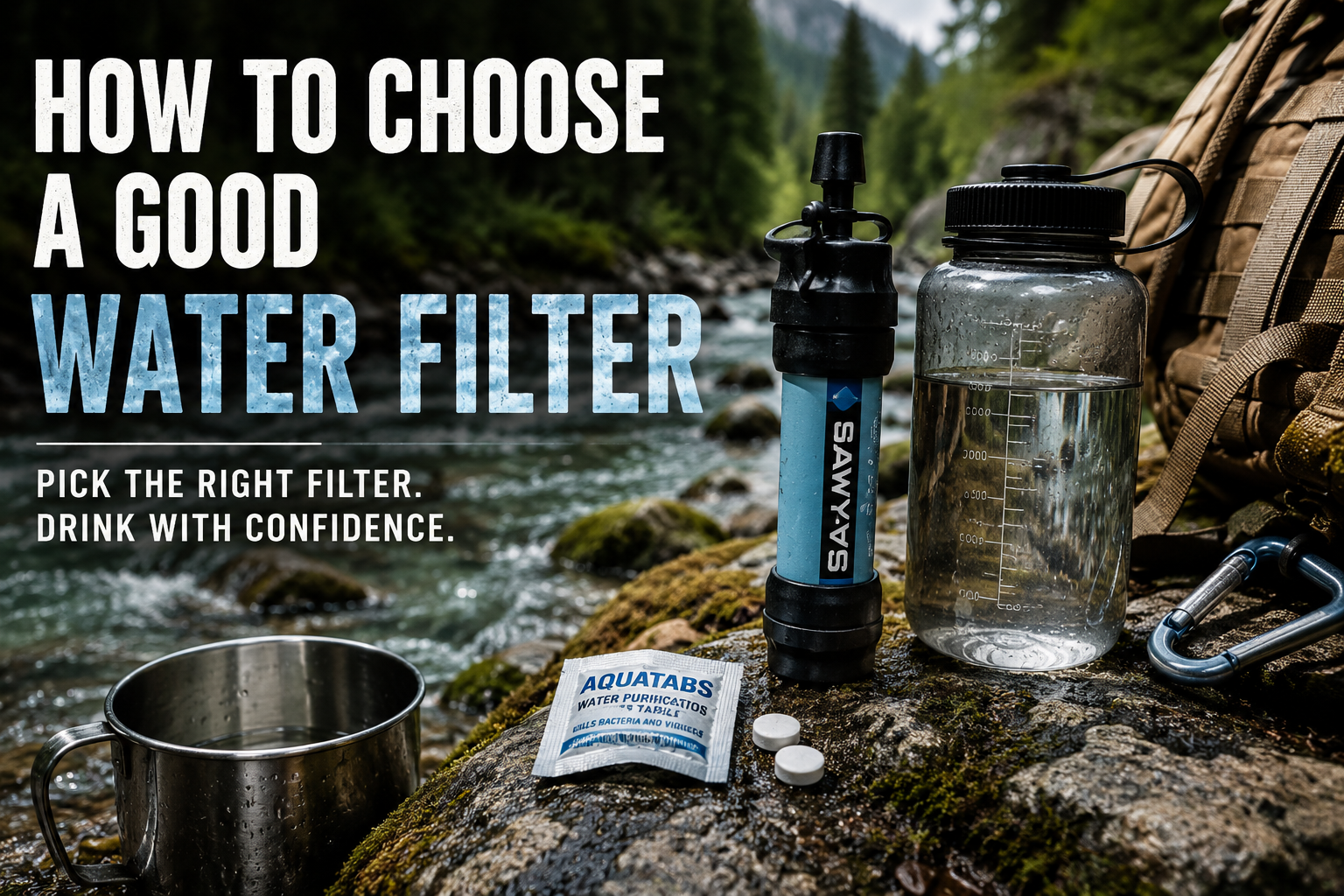
How to Choose a Water Filter for Camping Without Overthinking It
A water filter is one of those tools you do not want to learn the hard way. Here is what I would check before trusting one in the woods, on a trip, or in an emergency kit.
guide / product
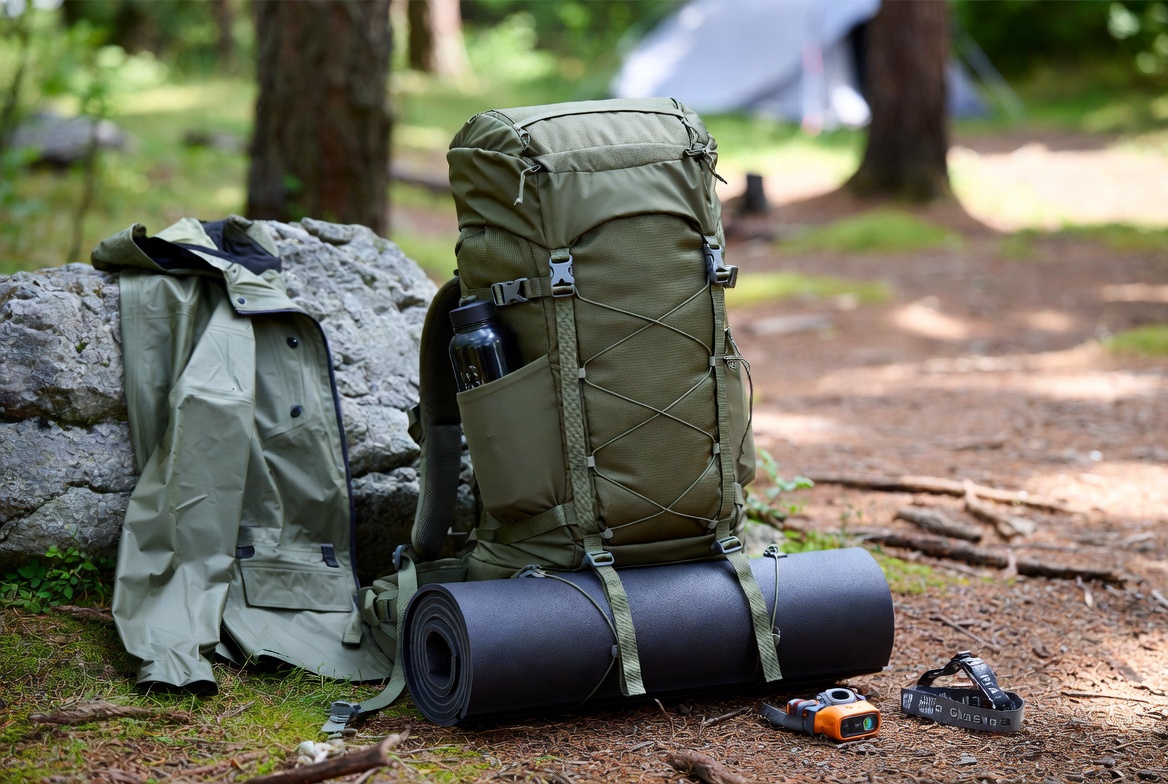
How to Choose the Right Backpack for Any Occasion
The best backpack is not the one with the most pockets, the biggest capacity, or the trendiest brand name. It is the one that fits the job. School, work, travel, hiking, camping, hunting, and gym bags all solve different problems.
review / product
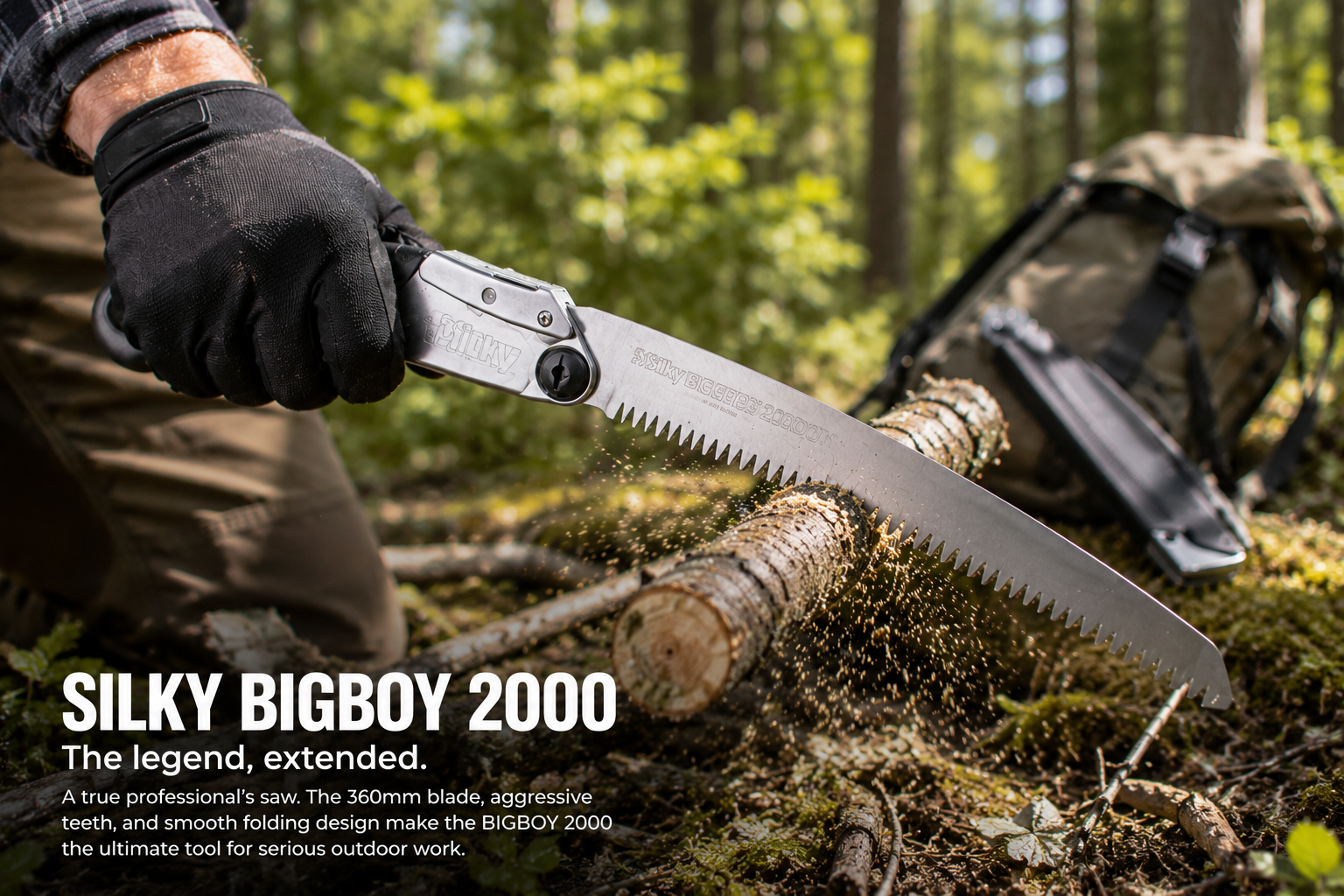
Silky Professional BIGBOY 2000 Folding Saw: durable, fast cutting for heavy yard and trail work
A practical look at the BIGBOY 2000 after a year of regular use. Learn what it handles well, its real limitations, and who should buy it.
review / comparison
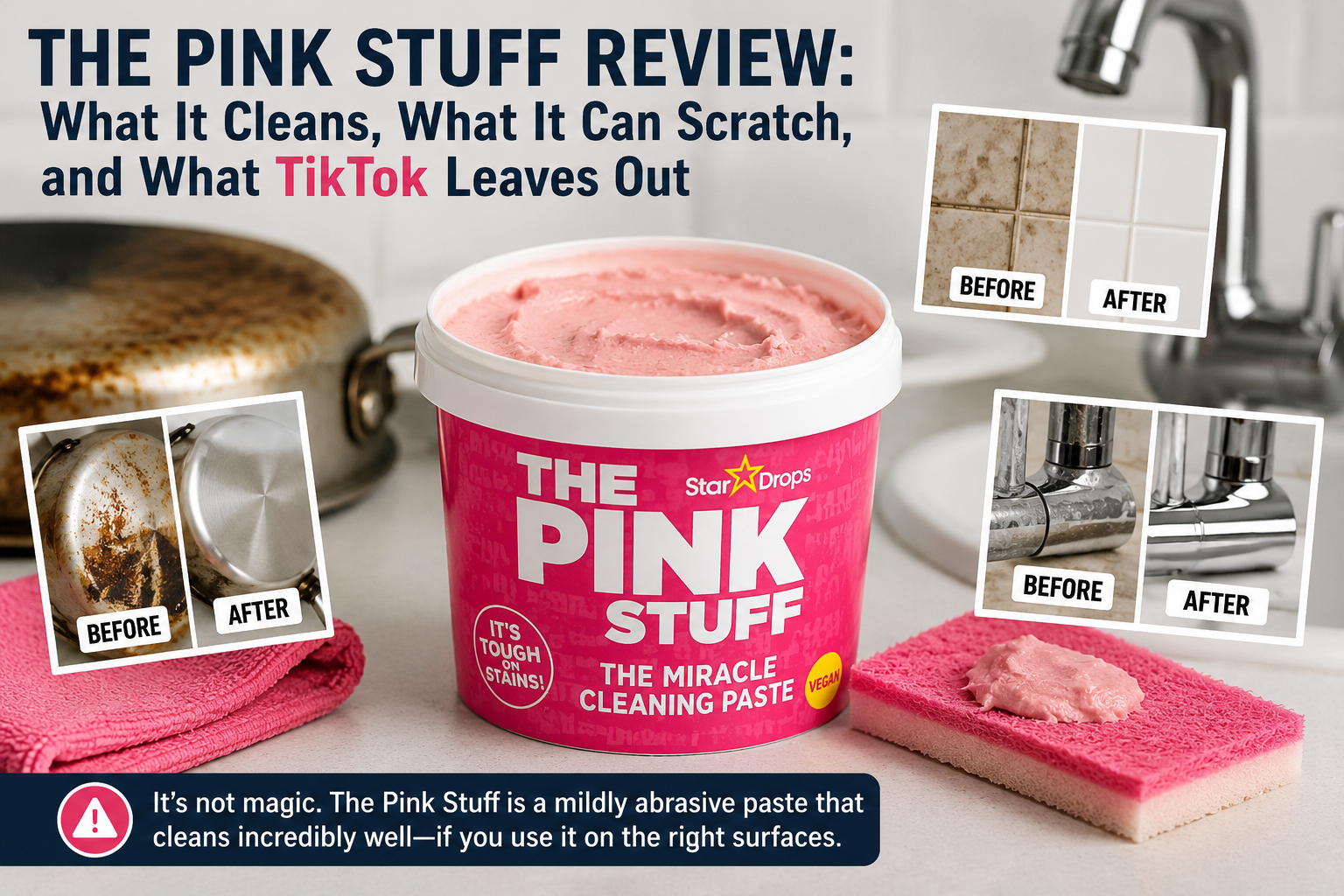
The Pink Stuff Review: What It Cleans, What It Can Scratch, and What TikTok Leaves Out
A practical look at The Pink Stuff Miracle Cleaning Paste and what viral videos do not show. Learn where it shines, where it risks damage, and better options for delicate surfaces.
mistakes / buying_guide
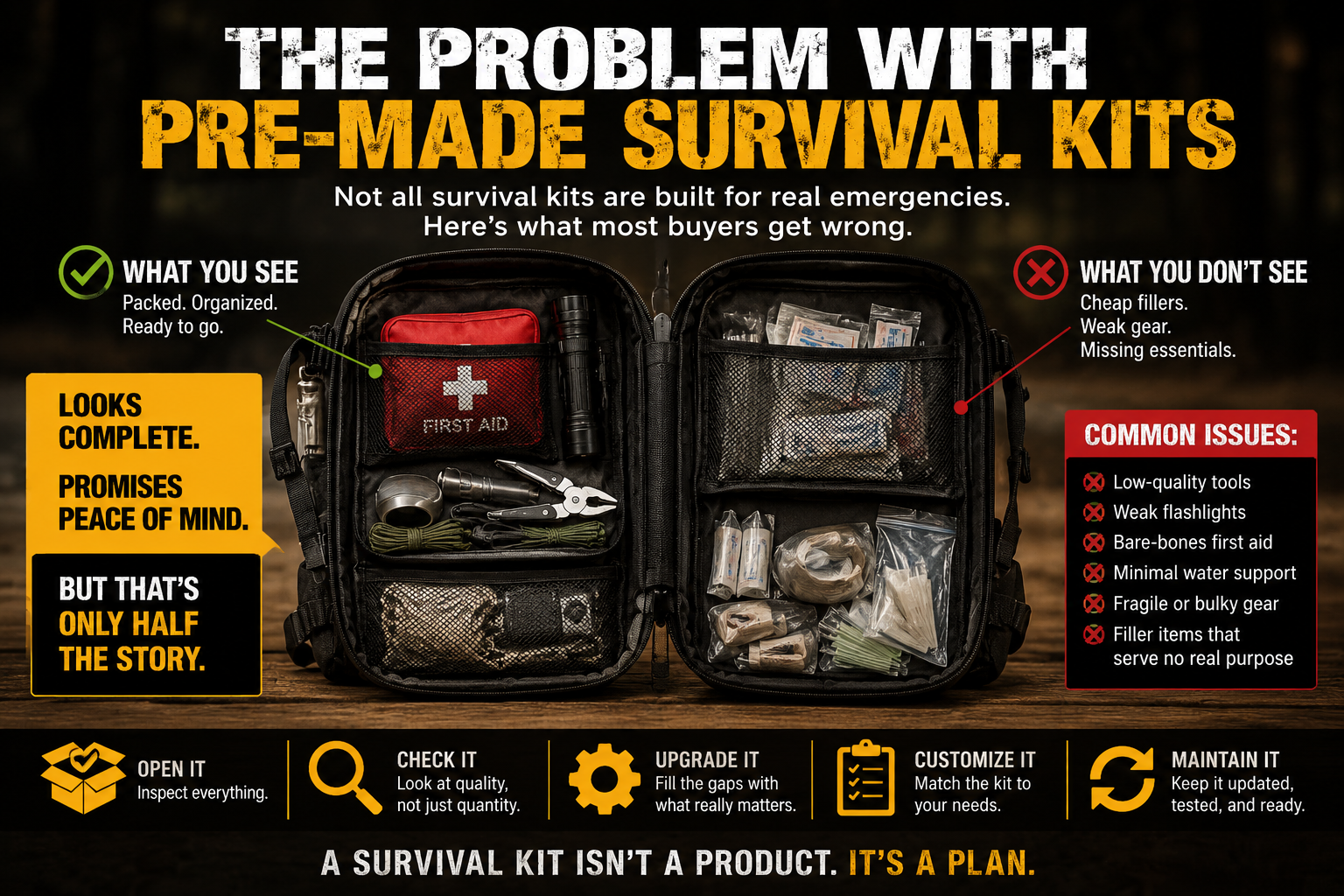
The Problem With Pre-Made Survival Kits
Pre-made survival kits can look like an easy fix for emergencies, but many prioritize shelf appeal over real usefulness. Learn what these kits miss, where they help, and how to vet one before you rely on it.

review / product
Smart glasses buying checklist: what to actually watch for
Smart glasses are tempting, but don’t buy on novelty. This checklist walks through the practical features and tradeoffs to check before you spend.
buying-guide / buying_guide
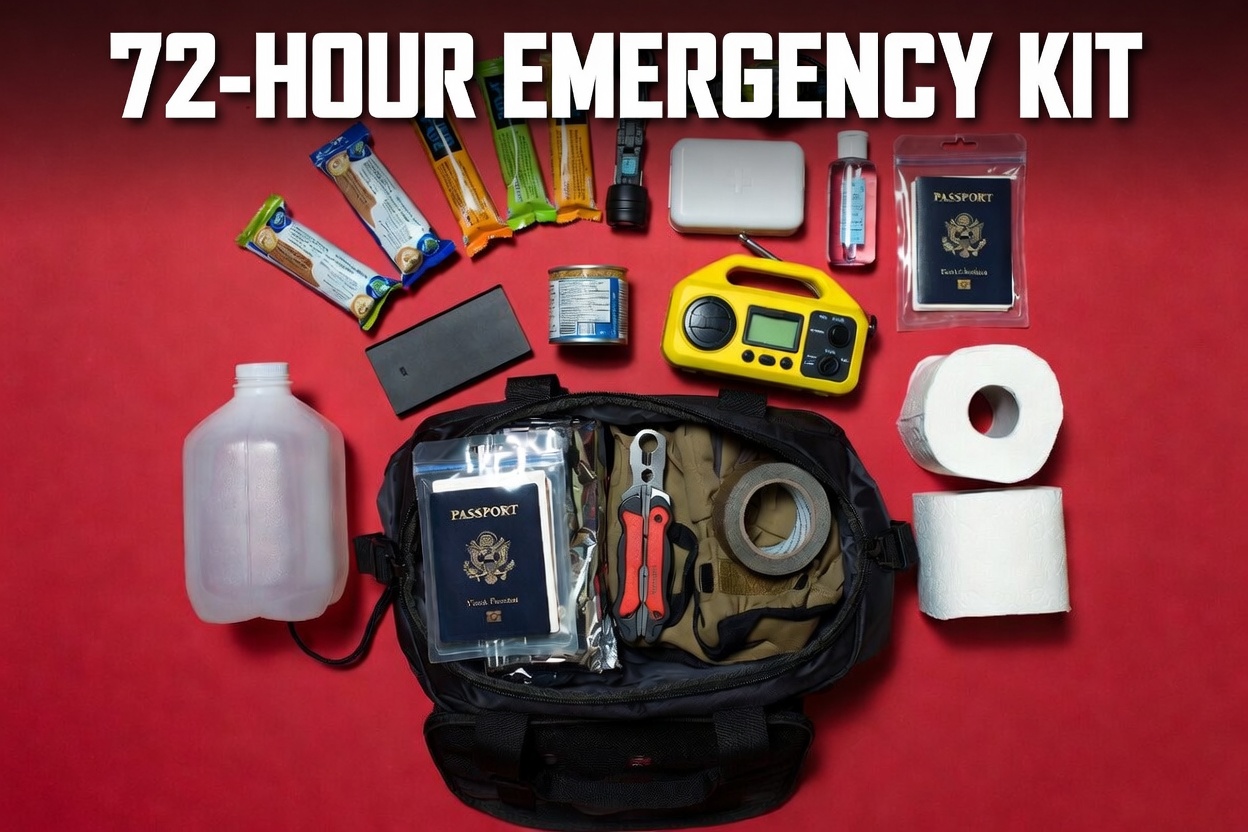
What to Pack in a Practical 72-Hour Emergency Kit
How to build a real 72-hour emergency kit that covers water, food, warmth, hygiene, tools, and meds without filler items that waste space. Learn what to prioritize and what low-value extras to skip.
review / product
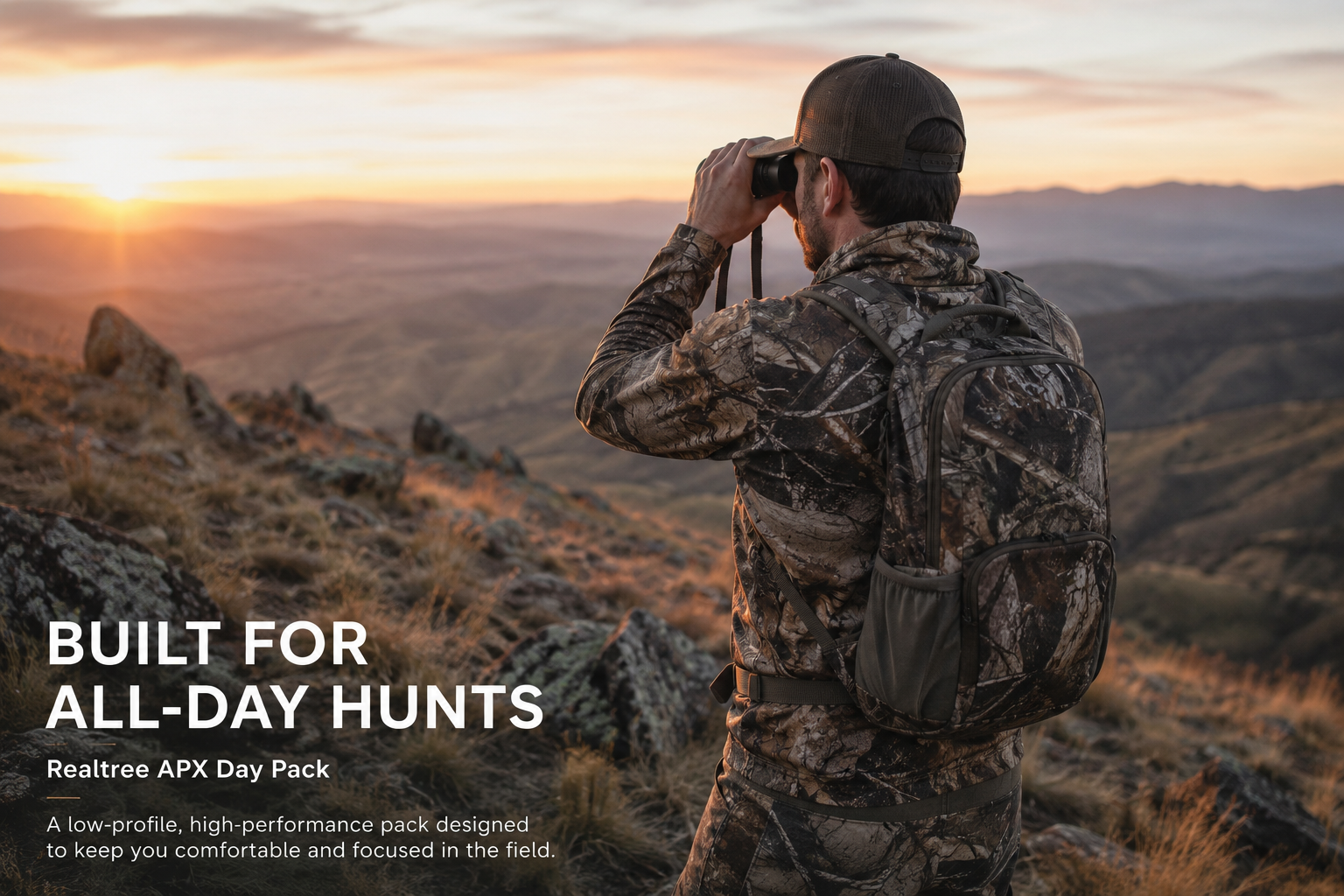
ALPS OutdoorZ Crossfire Pack (Realtree APX) Review: A Comfortable Day Pack for Hunters
A hands-on look at the Crossfire 23L hunting pack. Learn where it shines, who should buy it, and which hunters should look for bigger, tougher alternatives.