review
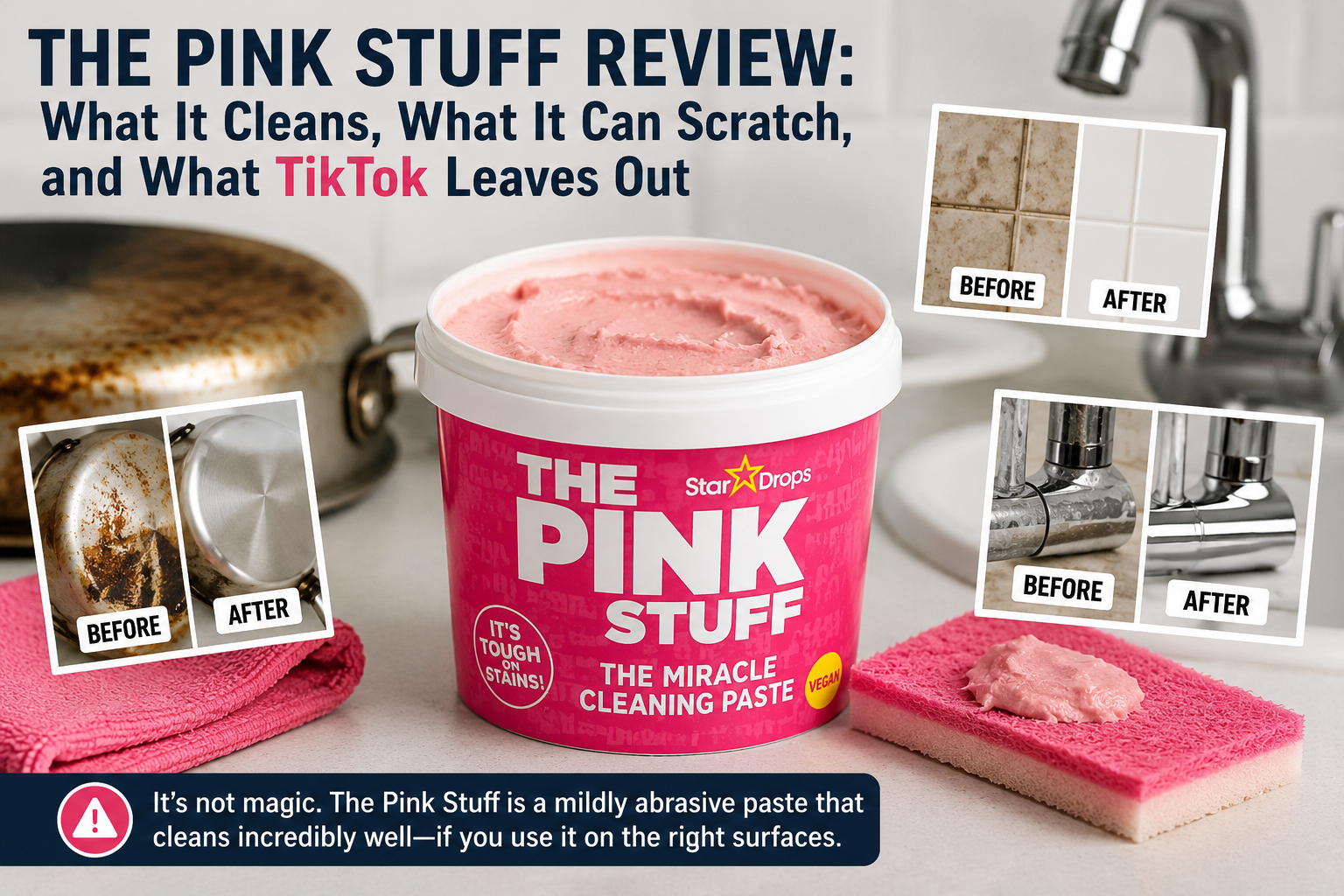
The Pink Stuff Review: What It Cleans, What It Can Scratch, and What TikTok Leaves Out
A practical look at The Pink Stuff Miracle Cleaning Paste and what viral videos do not show. Learn where it shines, where it risks damage, and better options for delicate surfaces.
TikTok Made Me Buy It: viral product comparison / comparison
Published: Jun 1, 2026 / Updated: Jun 7, 2026
Prices, availability, and product details can change. Check current details with the seller before buying.
Article
Overview
TikTok turned The Pink Stuff into a cleaning star with flashy before-and-after clips. Those videos sell the idea of magic. The real thing is simpler and more useful: it is a mildly abrasive paste that scrubs off stubborn grime when you apply elbow grease.
That abrasive quality is why it works on baked-on grease, oven glass, tile grout, and sneaker soles. It is also why you can ruin a finish if you treat every surface the same way. This review cuts through the hype so you know when to reach for the tub, when to spot-test, and when to use something less aggressive.
I aim to be practical and plainspoken. You will get a clear sense of what The Pink Stuff does well, the common complaints people run into, the surfaces to avoid, and quick alternatives to keep on hand for delicate jobs.
Skip it if you need a foolproof, surface-safe cleaner
If you want a grab-and-go cleaner that will not risk marks, scratches, or loss of sheen, skip The Pink Stuff. It is an abrasive paste in a jar, and that abrasive action is the whole point. On soft plastics, gloss finishes, lacquered wood, polished metals, and some stone sealers you can get light scuffs or dulling if you scrub too hard or use the wrong pad. That makes it a poor choice for high-end appliances, antiques, or anything with a delicate finish.
Also skip it if you need a multi-surface spray for quick freshening. The Pink Stuff takes work: you apply, rub, then wipe or rinse. For daily spills, greasy stovetop touch-ups, or fast bathroom spray-and-wipe routines, a spray cleaner or a dedicated degreaser is more practical. Finally, avoid it if you cannot tolerate residue risk. If not rinsed fully, the paste can leave a powdery film on grout and textured surfaces that attracts dirt.
BuyerProbe take: useful, but not magic
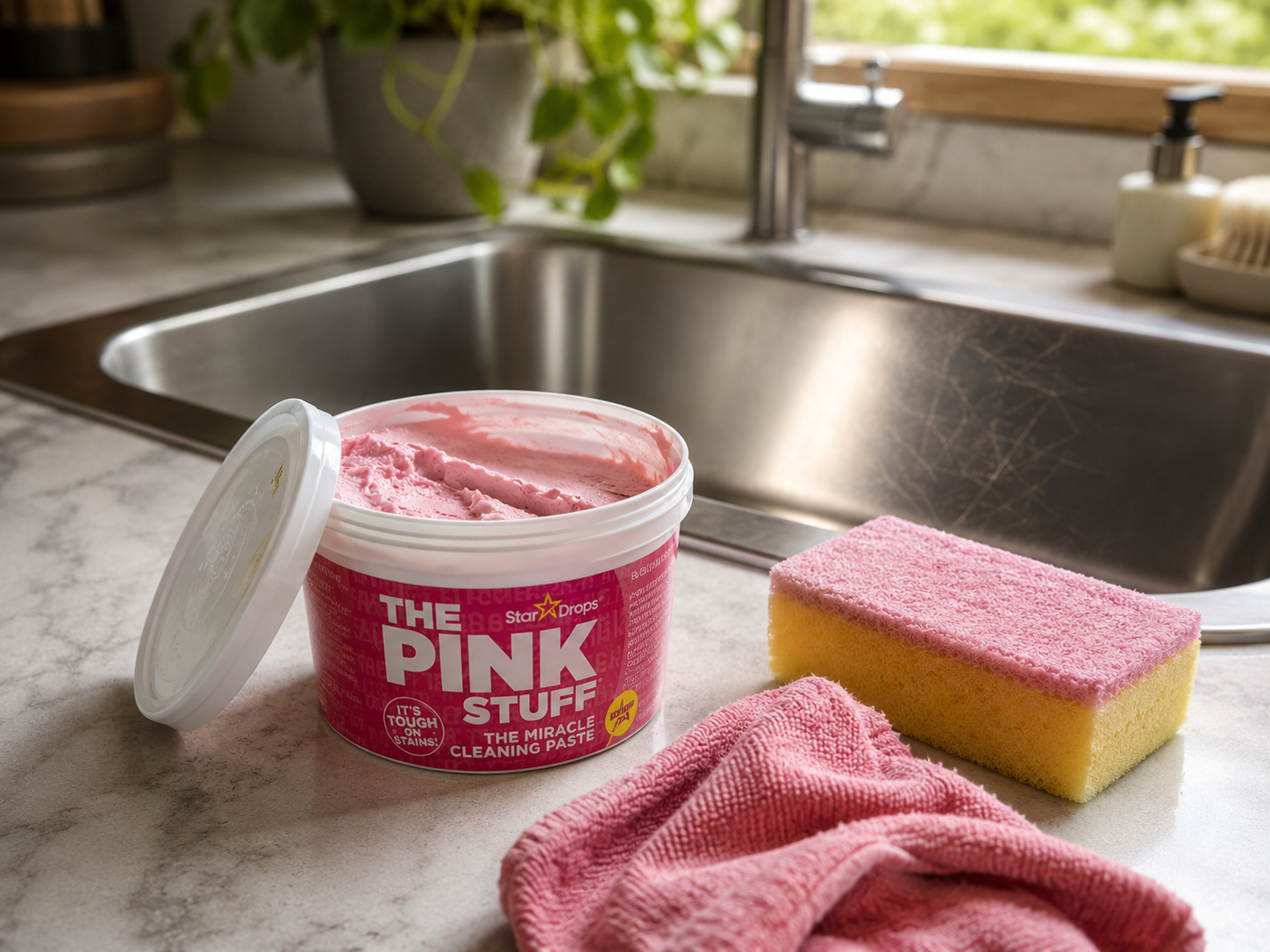
The Pink Stuff is a competent, budget-friendly cleaner that actually removes a lot of everyday grime. It shines on baked-on food, scuff marks, grout staining, and the sort of kitchen messes that make other cleaners stall. You get visible results quickly, which explains the viral appeal.
That said, it is an abrasive paste, not a miracle solution. It can dull or scratch delicate surfaces like polished stainless, soft plastics, lacquered finishes, or high-gloss paint if you scrub hard or use a rough pad. Think of it like fine sandpaper suspended in soap. That makes it great for heavy-duty spots, but risky for anything with a fragile finish.
Real-world buyers should keep two simple habits. First, always test in an inconspicuous spot. Second, match the pad to the job: a soft cloth for most jobs, a non-scratch sponge for tricky surfaces, and a scouring pad only where you expect abrasion. If you need a single go-to cleaner for most household tasks, this is a solid pick. If you want something safe for heirloom surfaces or frequent use on delicate finishes, plan on a gentler alternative for those jobs.
What Is The Pink Stuff?
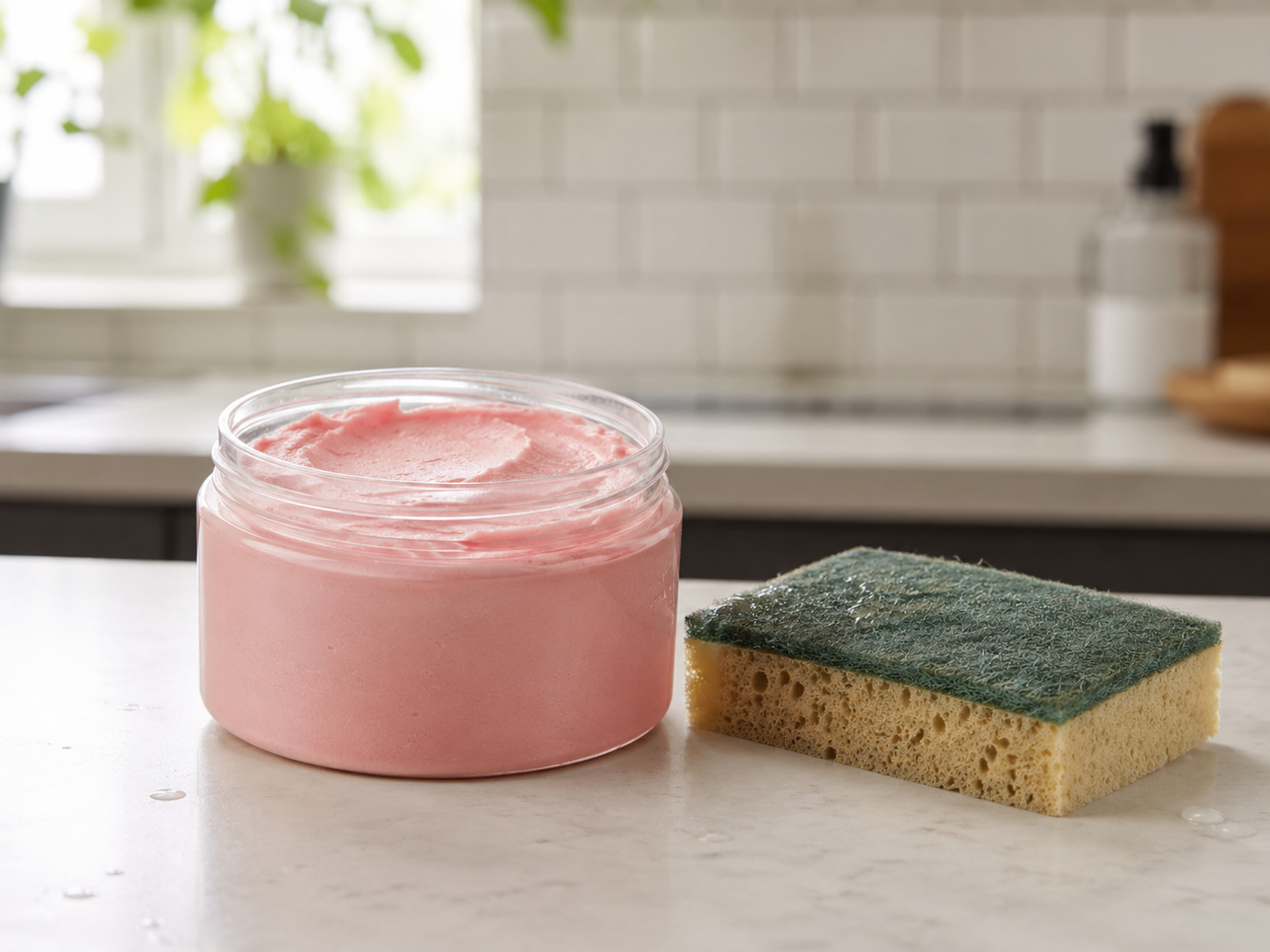
The Pink Stuff is a mild abrasive cleaning paste sold in jars and tubs. It mixes a fine grit with detergents and surfactants, so it scrubs without the harsh chemical smell of oven cleaners. Brands market it as a multi-surface miracle that removes stains, scuffs, and baked-on grime with a little elbow grease.
Think of it as a halfway point between a magic spray and a heavy-duty scourer. It works well on ceramic, enamel, grout, stainless steel, and some painted surfaces. That versatility is why it went viral, but it also leads people to try it on things they should not.
There are real limits. The paste uses abrasion to remove marks, so it can dull shiny finishes, thin paint, and micro-scratch delicate materials like polished aluminum and high-gloss plastics. Use it on test patches first and don’t apply it with a metal scrubber unless the surface is rugged.
Practical buyer guidance: buy a small tub to try first. Use a soft cloth or nylon pad and low pressure on visible surfaces. For heavy carbon or rust, consider a product designed for that problem instead. If you want a single product for light household cleaning, it earns that place; if you expect miracle results on everything, you will be disappointed.
Why TikTok Made It Famous
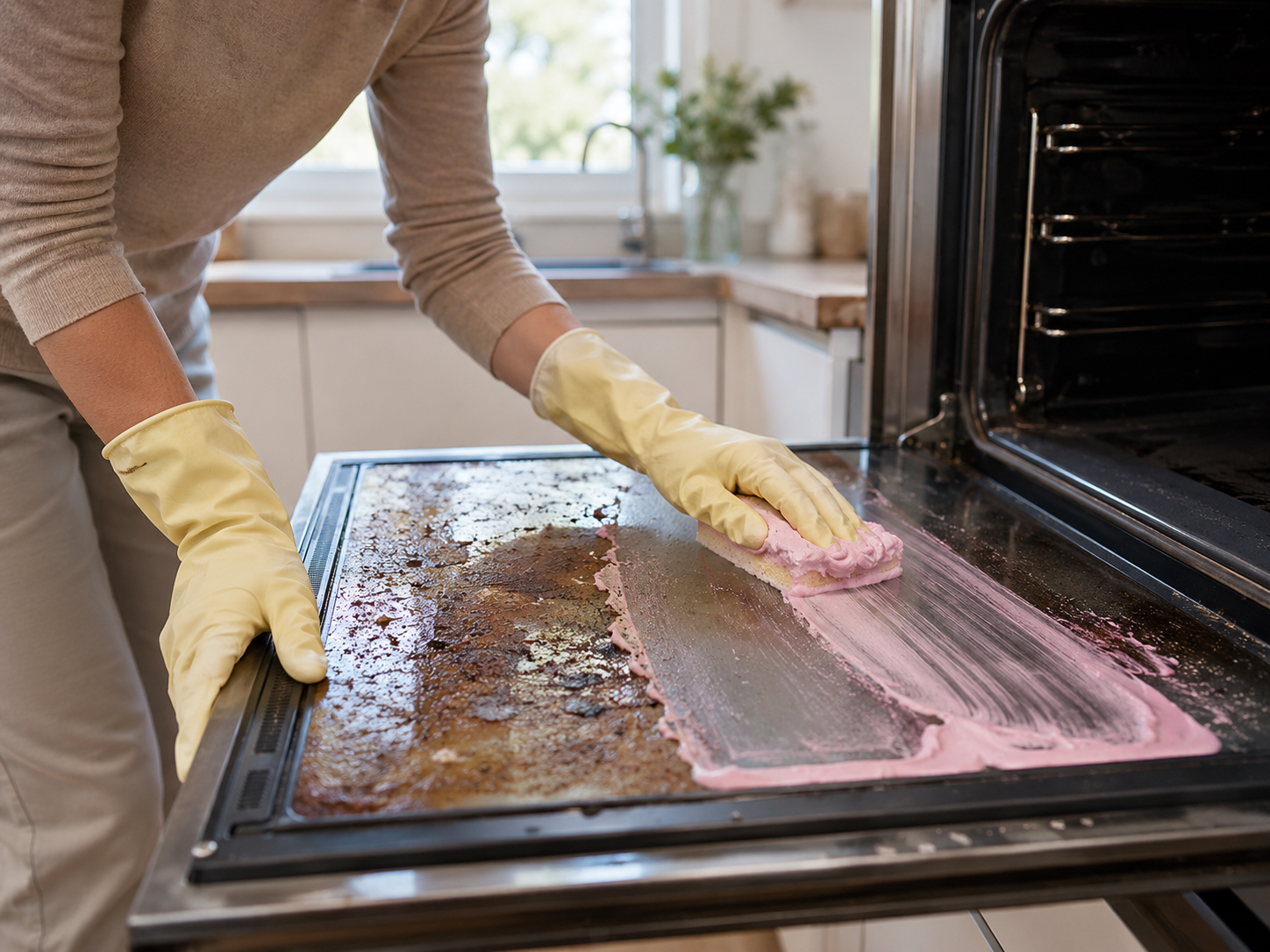
Short, visually satisfying cleaning clips are TikTok gold. The Pink Stuff went viral because it checks those boxes. People love seeing grimy ovens, stained grout, and scuffed sneakers transformed in a single swipe of paste. The product's thick texture shows results quickly on camera, and creators leaned into fast before-and-after edits that make the change look dramatic.
That virality is practical for buyers. The clips reveal real use cases, like removing baked-on food from metal cookware or brightening ceramic tiles. But TikTok also flattens complexity. Short videos rarely show elbow grease, multiple passes, or surface compatibility issues. Expect good results on many hard, non-porous surfaces, but not a miracle on every material.
A second reason for the craze is social proof. When dozens of creators demo the same trick, viewers assume it will work for them. That can lead to impulse purchases. If you're buying because of a specific job, check product labels and do a discreet spot test first. For delicate finishes or painted surfaces, the paste can be too abrasive; the best TikTok clips skip that detail.
In short, TikTok put The Pink Stuff on your radar by showcasing satisfying transformations. Use those clips as inspiration, not gospel. Treat the product like a strong household cleaner that needs common-sense caution, not a universal restoration tool.
What It Actually Cleans Well
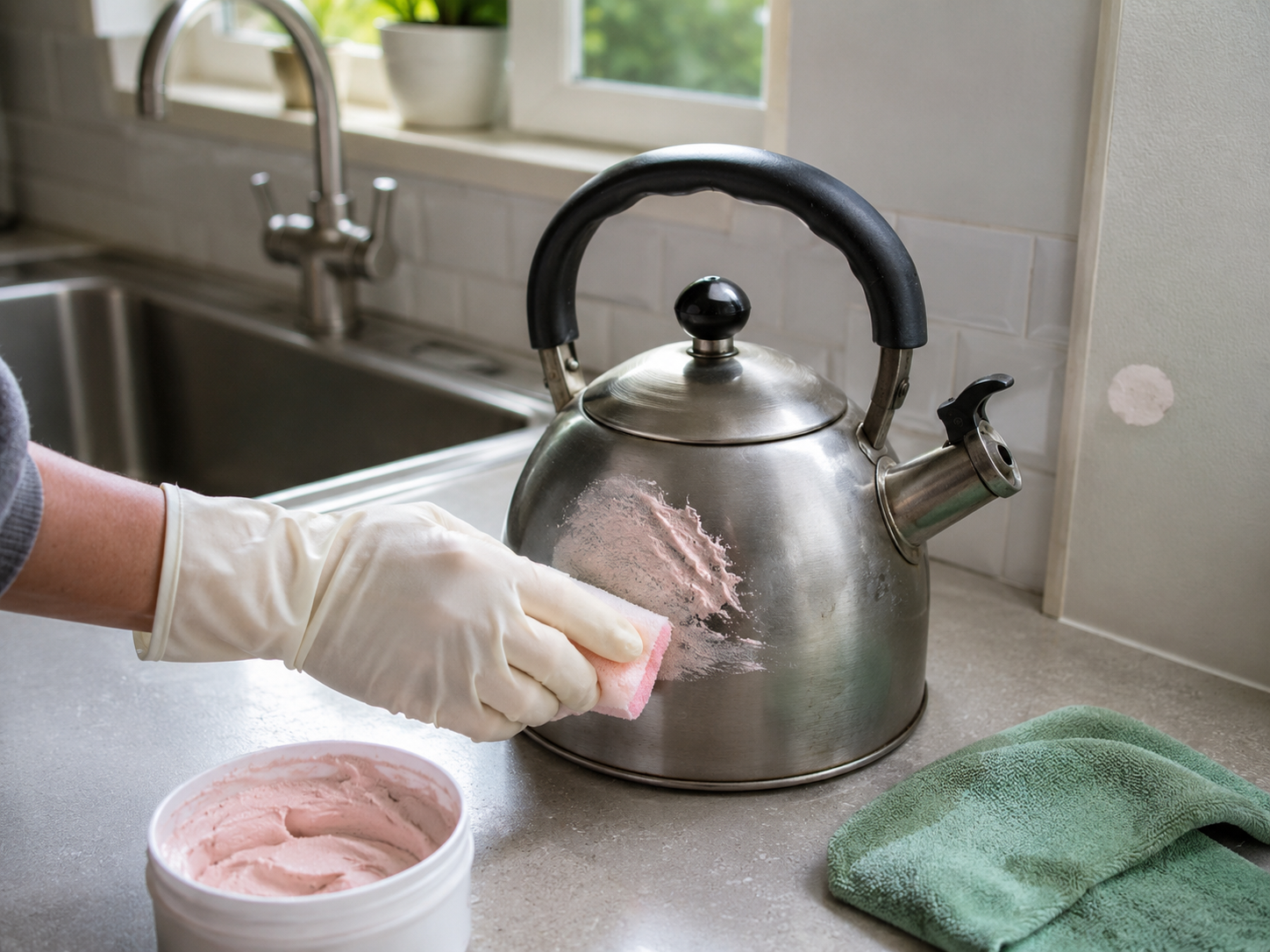
The Pink Stuff is a competent, no-nonsense abrasive cleaner for a lot of everyday grime. It shines metal taps, removes baked-on oven spills, and takes scuff marks off painted skirting boards better than regular spray cleaners. It works especially well on surfaces with thin, stubborn deposits where a little elbow grease removes the residue without chemical gymnastics.
For kitchen jobs, it tackles dried-on food, grease rings around burners, and tea or coffee stains in mugs. In bathrooms, it brightens grout and gets soap scum off shower screens, though you should not leave it sitting on silicone or delicate finishes. It also polishes stainless steel and chrome to a good, streak-free finish if you buff it off thoroughly.
There are limits. It is an abrasive paste, so it can roughen or dull soft plastics, glossy paint, anodized aluminum, and some clear coats. Test it on an inconspicuous spot before using it on anything you value. For heavy rust, deep stains, or porous stone, a specialized product or mechanical methods will still be necessary.
Practical tip: use a damp microfiber or non-scratch pad and rinse well. The product speeds up scrubbing, but it does not eliminate the need for physical scrubbing, and overuse on delicate surfaces can cause long-term wear.
What Reviewers Like
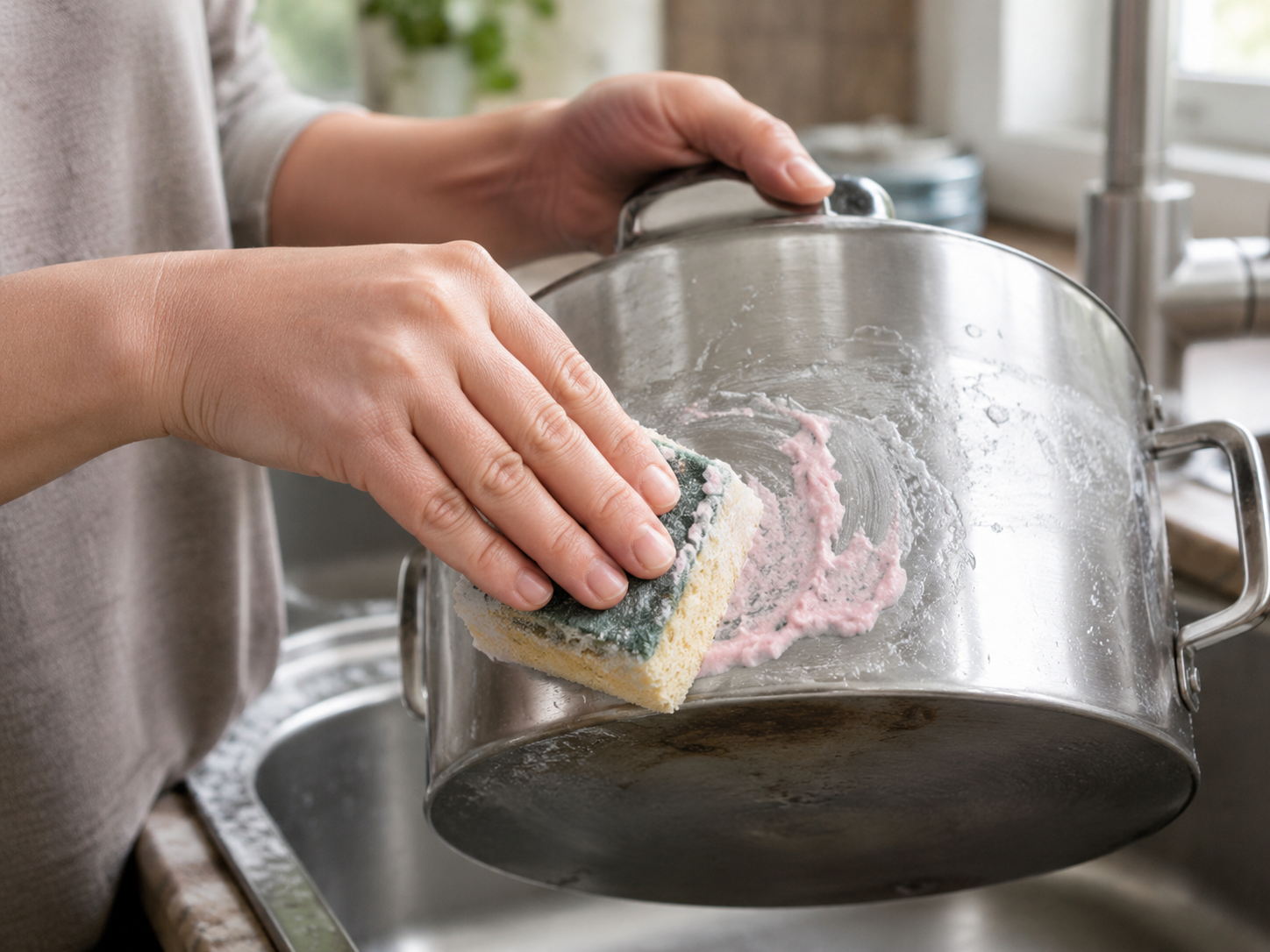
Reviewers consistently praise The Pink Stuff for being an inexpensive, no-fuss cleaner that actually removes a lot of everyday grime. People call out its ease of use: dampen a cloth or sponge, apply a little paste, scrub, and most stains lift without aggressive chemicals or long soak times. That straightforward performance is why it keeps showing up in cleaning rounds and social feeds.
Users also like its versatility. It handles cooked-on food on pots and pans, baked-on stains on oven racks, scuffs on walls and baseboards, and soap scum in showers. For light-to-medium messes it often replaces more specialized products, which is a convenience many reviewers appreciate.
There are practical tradeoffs reviewers mention. It is mildly abrasive, so it works better on hard, durable surfaces. That same abrasiveness makes some people cautious about using it on polished, delicate, or coated finishes. Also, it leaves a residue if you use too much paste or do not rinse well, so expect an extra wipe-down step on some surfaces.
The bottom line from reviewers: it is a reliable, budget-friendly cleaner for routine scrubbing where you need visible results fast. Don’t expect miracle restorations on heavily pitted metal or deeply stained porous surfaces, and test it in an inconspicuous spot on anything you care about.
What Reviewers Complain About
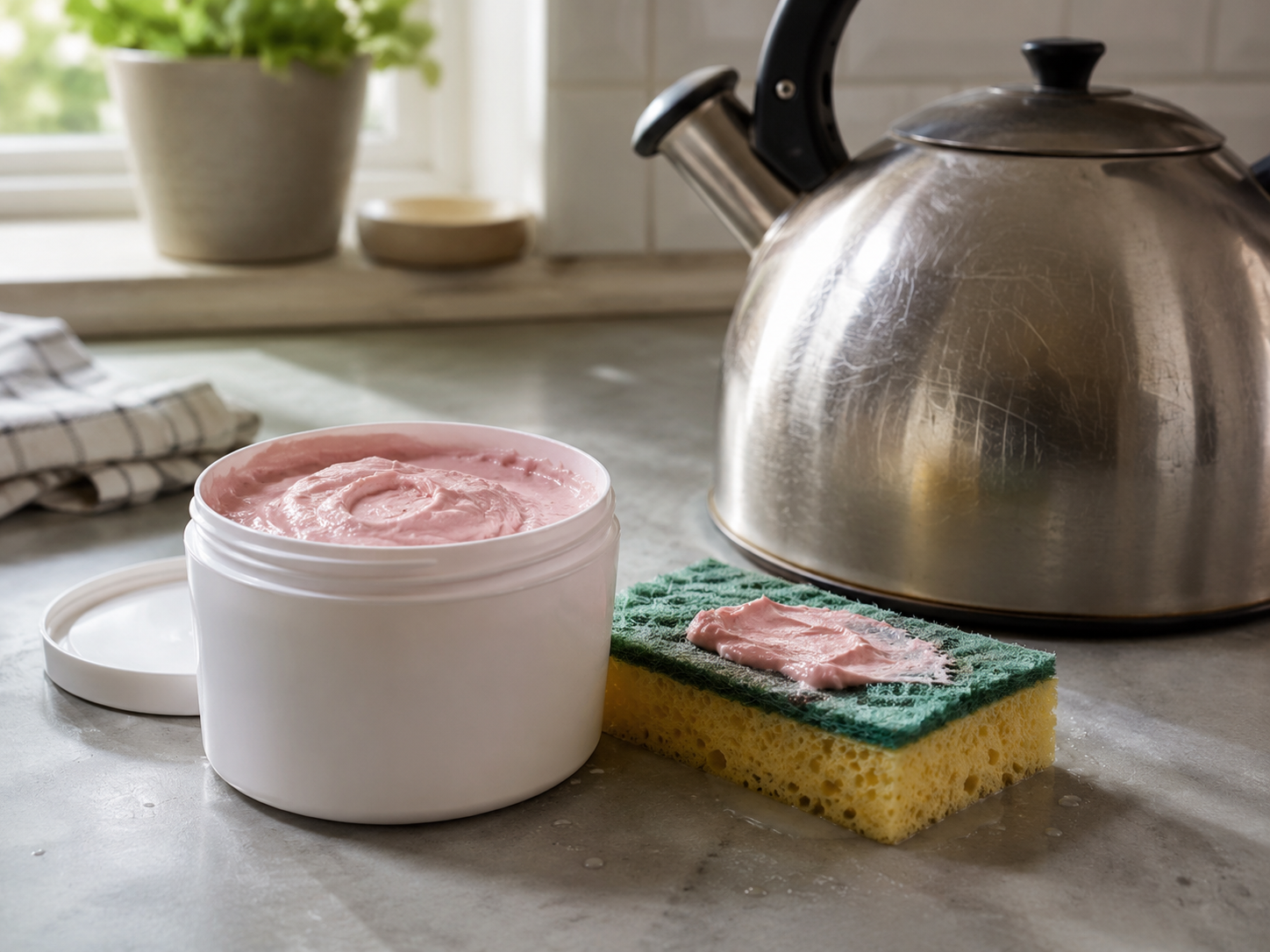
The biggest gripe reviewers have is abrasion and scratching. The Pink Stuff is an abrasive paste, and people report dulling or micro-scratching on polished metals, glossy paint, and soft plastics. That usually shows up as hazy patches rather than deep gouges, but it is permanent on sensitive finishes. Test an inconspicuous spot before scrubbing a visible area.
Another common complaint is residue and streaking. If you leave the paste to dry or use too much, it can leave a chalky film that needs extra rinsing or wiping. That makes quick cleanups take longer than TikTok shows. Use a damp cloth or sponge to work it in, then rinse or wipe thoroughly while the paste is still wet.
People also note inconsistent results on heavy stains. It works well on baked-on food, scuff marks, and grime, but reviewers say it can struggle with deep rust, set-in grease, or enamel discoloration. For those jobs you are better off with a product specifically formulated for rust removal or a degreaser.
A few reviewers call out packaging and scent. The tub can be messy to scoop from, and the floral scent is polarizing. These are minor annoyances, but worth considering if you prefer pump bottles, fragrance-free cleaners, or need something less likely to get left open under a sink.
Where The Pink Stuff Can Get You in Trouble
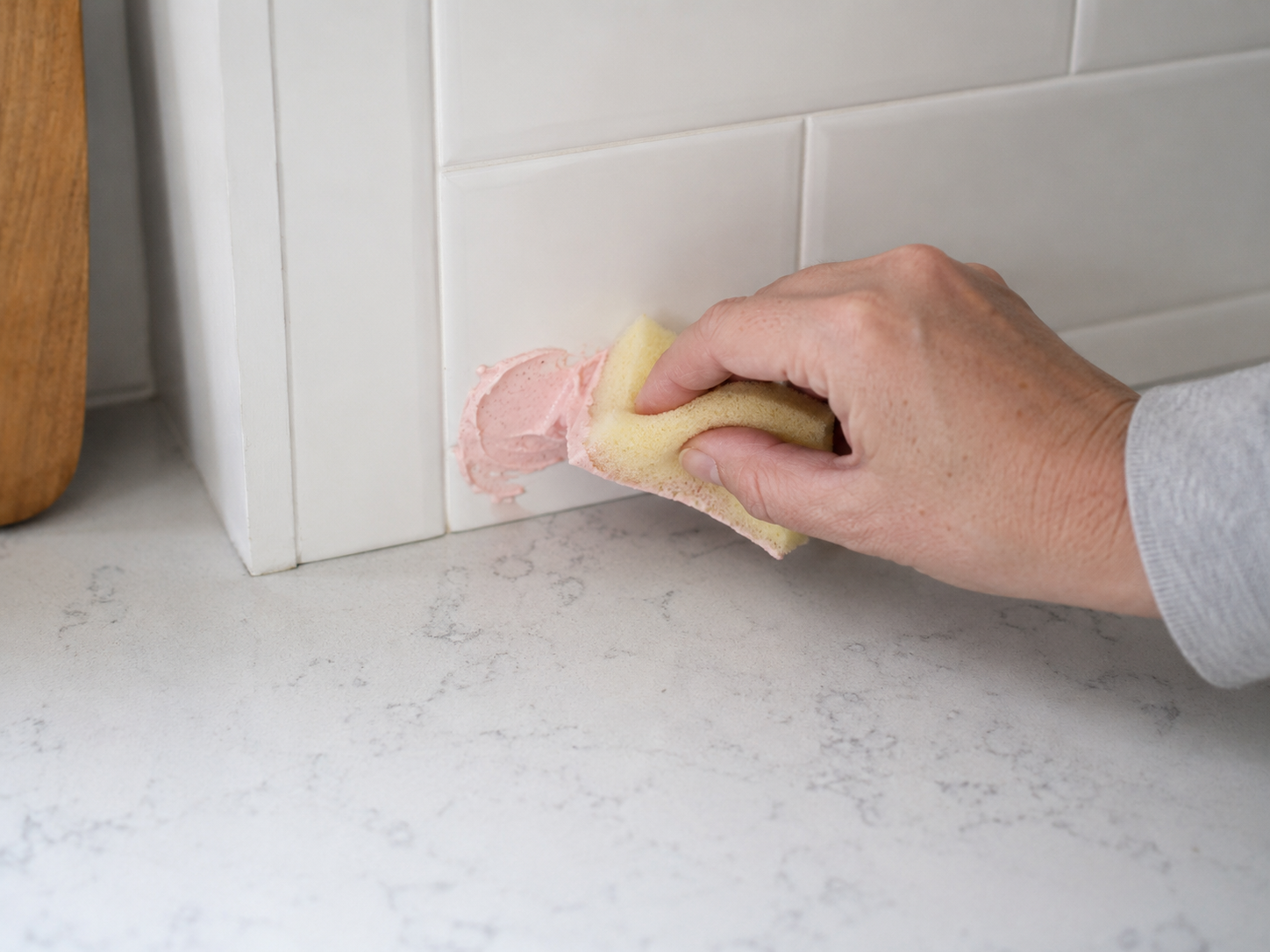
Pink Stuff is abrasive. It often works because it scuffs away stains with a gritty paste, not because it chemically dissolves them. That grit makes it great on glazed tiles, stainless steel, and baked-on grime, but it can also dull or scratch softer surfaces like polished brass, anodized aluminum, nonstick pans, and glossy paint. If you apply it with heavy pressure or a harsh scrubber you will accelerate that damage.
The product copy and TikTok clips push a “one product fixes everything” story. Reality is messier. On porous materials, like unsealed stone, grout, or unfinished wood, the paste can sink in and leave a pale haze or deepen scratches. On heavily oxidized outdoor metals or plastic trim, it can remove surface color unevenly, leaving blotches that are obvious in sunlight.
A real-world tradeoff to accept: you get cheap, fast stain removal on many hard household surfaces, but you also need to be selective. Always test in an inconspicuous spot first, use a soft cloth or sponge, and avoid orbital tools that amplify abrasion. For cookware, prefer manufacturers' cleaning recommendations; Pink Stuff can remove seasoning or finish on cast iron and nonstick coatings.
If you expect a miracle without any follow-up, you will be disappointed. Many marks that look like stains are surface abrasion left behind by the cleaner itself. After using Pink Stuff you may need to polish, reseal, or refinish the area to restore the original look. That adds time and cost that TikTok clips usually skip over.
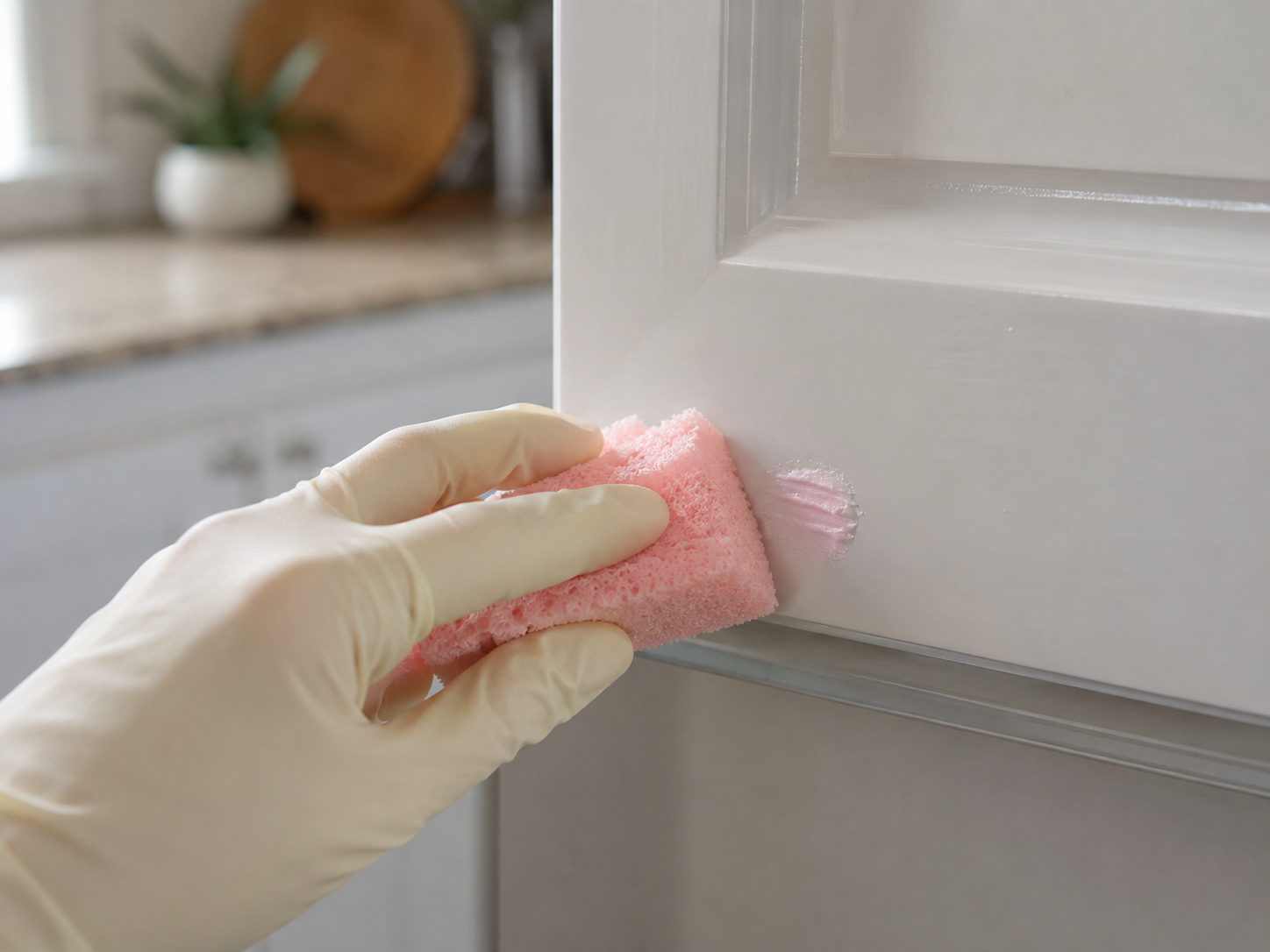
Surfaces I’d Be Careful With
The Pink Stuff is abrasive. That is the point: it scours without harsh chemicals. But that abrasiveness is exactly why you need to check surfaces before you scrub. Matte paints, anodized aluminum, soft plastics, some coated cookware, and glossy car paint are all at risk of dulling or micro-scratching if you scrub hard or use the paste undiluted.
If you want to try it on something new, test in an inconspicuous spot first, use a light touch, and avoid steel wool or hard-bristle brushes with the paste. For sensitive finishes, switch to a soft cloth or a damp sponge and wipe gently. The product works best on stubborn stains on hard, non-porous surfaces like ceramic tile, porcelain sinks, and certain stainless steel areas, where the abrasion removes grime without obvious damage.
Watch out for decals, printed labels, and thin clear coats. The paste can lift ink and thin finishes quickly. Also avoid using it on high-gloss car paint or modern clear-coated cabinetry unless you are prepared to polish afterwards. If you see a change in sheen during your test spot, stop and choose a milder cleaner.
Real-world tradeoff: you get strong scrubbing power at the cost of finish risk. Keep a separate tool kit for risky jobs: soft cloths, non-abrasive cleaners, and a gentle polish if you need to restore shine. That saves you from fixing a surface you cleaned too enthusiastically.
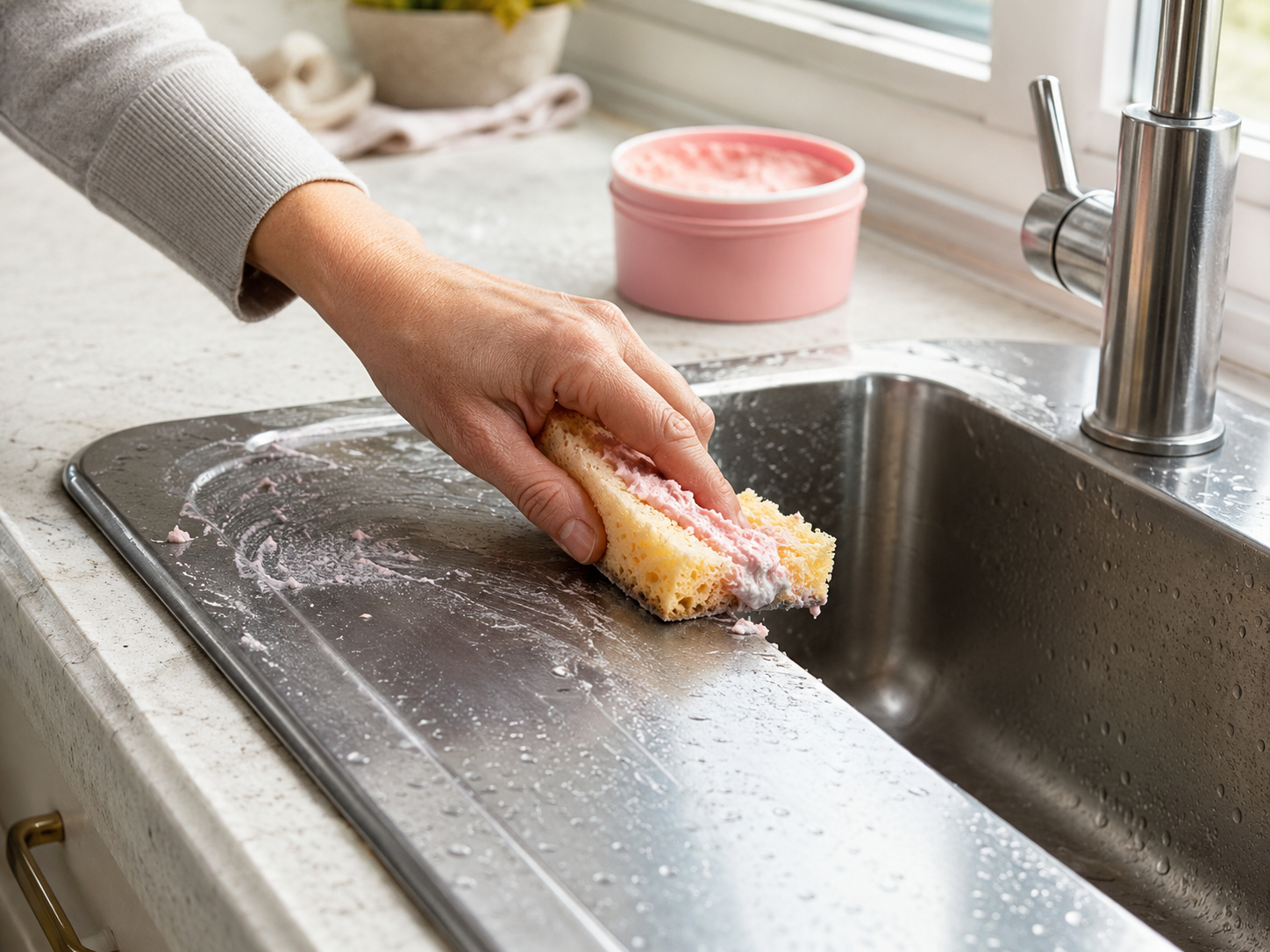
Best For
The Pink Stuff is best for quick, visible wins on cooked-on food, grill grates, baked-on grease, and scuffed pots and pans. It works as a low-effort scrubbing aid for small kitchens and rental units where you want shine without a lot of elbow grease. It is good for spot-cleaning ceramic stovetops, porcelain sinks, and enamel cookware when you avoid aggressive scrubbing.
It is also handy for people who want a single product for light renovation-type cleanups, like removing adhesive residue, soap scum, and water marks from taps and fixtures. For busy households or short-term rentals, its fast visual results are useful when you need a surface to look presentable quickly.
Do not treat it as a universal cleaner. It scratches soft plastics, polished chrome, and delicate coatings. Avoid using it on matte finishes, nonstick pans, and items with printed or painted surfaces. If you need a deep clean of porous stone, vintage finishes, or antiques, choose a specialist cleaner instead.
Tradeoff: you get fast, satisfying results on many hard surfaces, but you must accept the risk of dulling or micro-scratching some finishes. If preserving original surface sheen matters, test it on an inconspicuous spot first or pick a milder product.
Better Alternatives by Surface
The Pink Stuff is versatile, but it is not the only or always the best option. For glass and mirrors, a simple ammonia-free glass cleaner or a vinegar-water mix gets streak-free results without the mild abrasive in the paste. For stainless steel, microfiber and a dedicated stainless cleaner protect the finish and remove fingerprints better than scrubbing with an abrasive paste. For painted walls and laminate, a damp microfiber and gentle all-purpose spray usually does the job without risking dull spots or removing finish.
For heavy grease and ovens, enzymatic degreasers or a high-temp oven cleaner work faster and require less elbow grease. On grout and cement, a peroxide-based grout cleaner or a steam cleaner targets stains without the heavy scratching risk the Pink Stuff can introduce on porous stone. For delicate or vintage surfaces, always favor pH-neutral cleaners and spot test on an inconspicuous area first.
A tradeoff to keep in mind: many purpose-made cleaners are harsher chemically or smell worse, and some require ventilation and gloves. The Pink Stuff's appeal is its convenience and mild fragrance, but that convenience comes with a abrasion risk on softer surfaces. Use the paste when you want a one-product solution and are prepared to test first, switch to surface-specific products when you need guaranteed safety or faster results.
If you want fewer products on your shelf, prioritize a good glass cleaner, a stainless steel polish, a mild all-purpose, and a grout or degreaser. Together they cover most jobs the Pink Stuff can do, with less risk to finishes and often better, faster cleaning on the right surfaces.
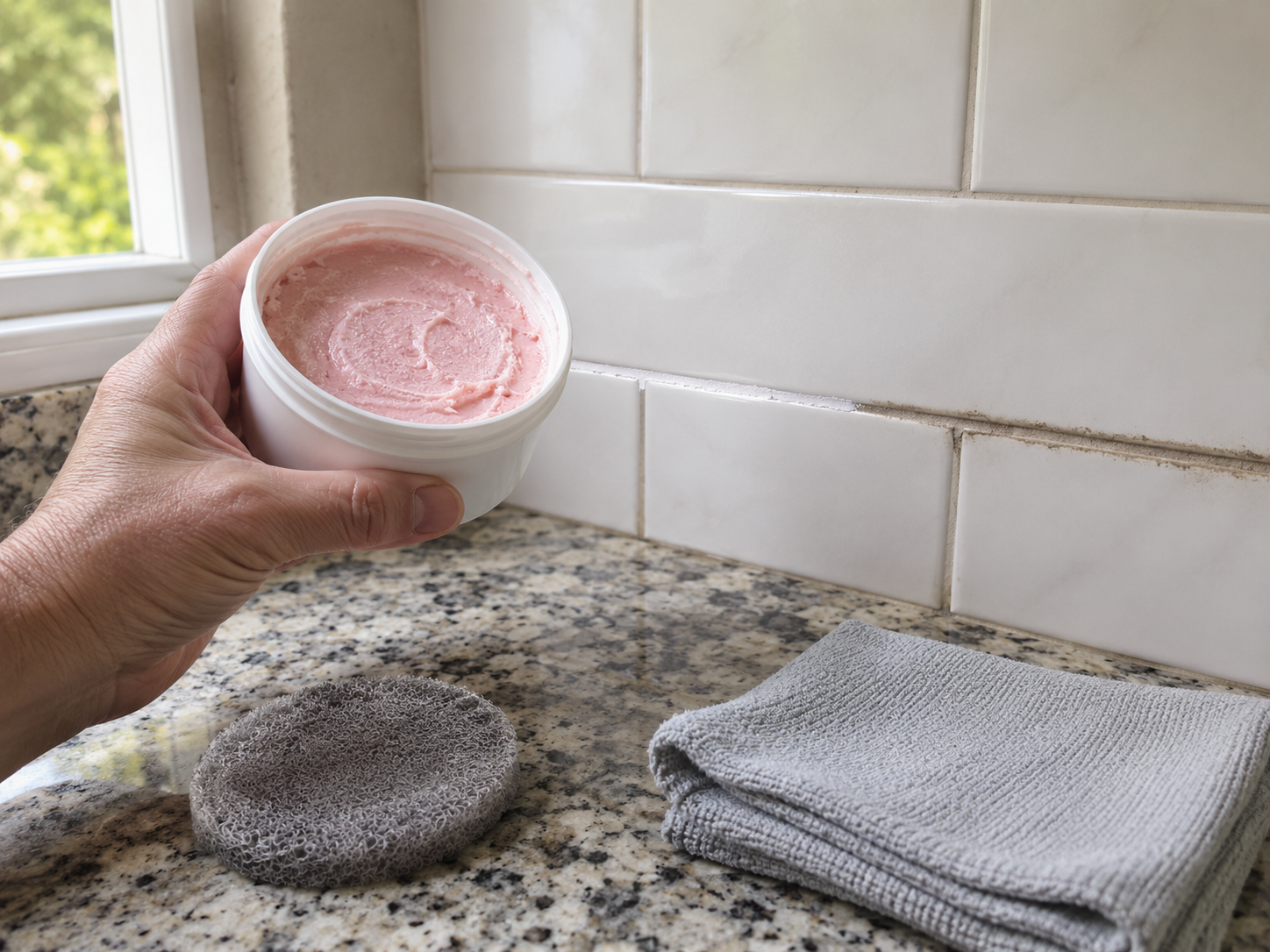
Final word: a useful cleaning hack, not a miracle
The Pink Stuff is worth keeping in the cupboard if you want an inexpensive, grab-and-scrub paste for grout lines, cooked-on food, and scuffs. It lifts stains that ordinary sprays struggle with and performs better than many budget scrubbing pastes. For those quick weekend refreshes or tackling isolated spots, it does the job without fancy tools.
That said, treat it like an abrasive chemistry tool, not an all-surface miracle. It can dull glossy finishes and damage soft metals and delicate coatings. Always try it in an inconspicuous spot and use a gentle touch on anything you care about. If you need a product that is guaranteed safe on glass, polished stone, or plated metal, look at tailored cleaners instead.
If your priority is speed and minimal risk on varied surfaces, pick a less abrasive, surface-specific cleaner. If you want power on grout, ovens, or painted skirting boards and you accept the risk of wear with heavy use, The Pink Stuff is a practical, affordable option. Remember: good results come from correct use, not viral hype. Be cautious, patch-test, and use a soft pad when possible.
More BuyerProbe Reads
Keep Reading
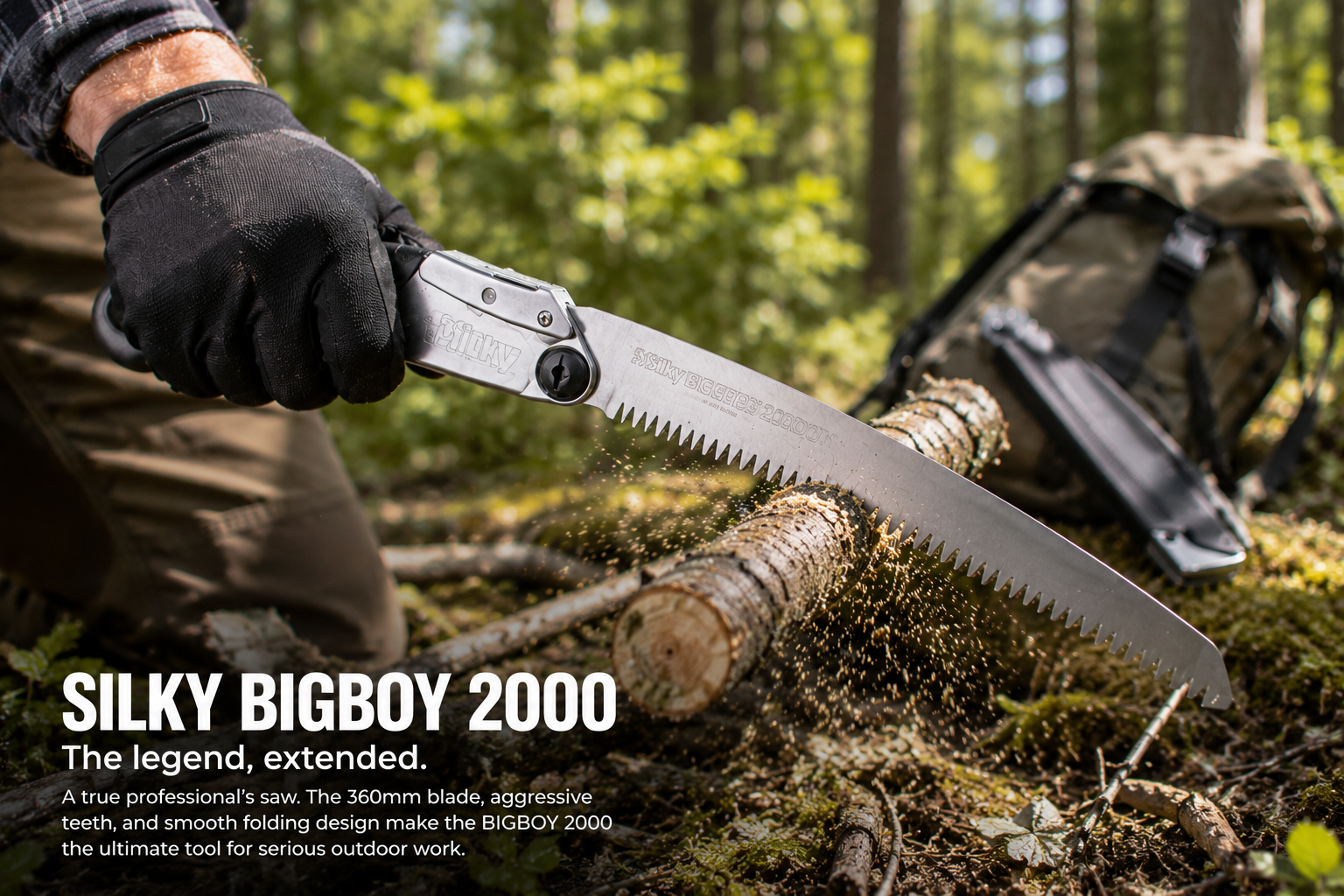
review / product
Silky Professional BIGBOY 2000 Folding Saw: durable, fast cutting for heavy yard and trail work
A practical look at the BIGBOY 2000 after a year of regular use. Learn what it handles well, its real limitations, and who should buy it.

review / product
Smart glasses buying checklist: what to actually watch for
Smart glasses are tempting, but don’t buy on novelty. This checklist walks through the practical features and tradeoffs to check before you spend.

review / product
ALPS OutdoorZ Crossfire Pack (Realtree APX) Review: A Comfortable Day Pack for Hunters
A hands-on look at the Crossfire 23L hunting pack. Learn where it shines, who should buy it, and which hunters should look for bigger, tougher alternatives.
review / product
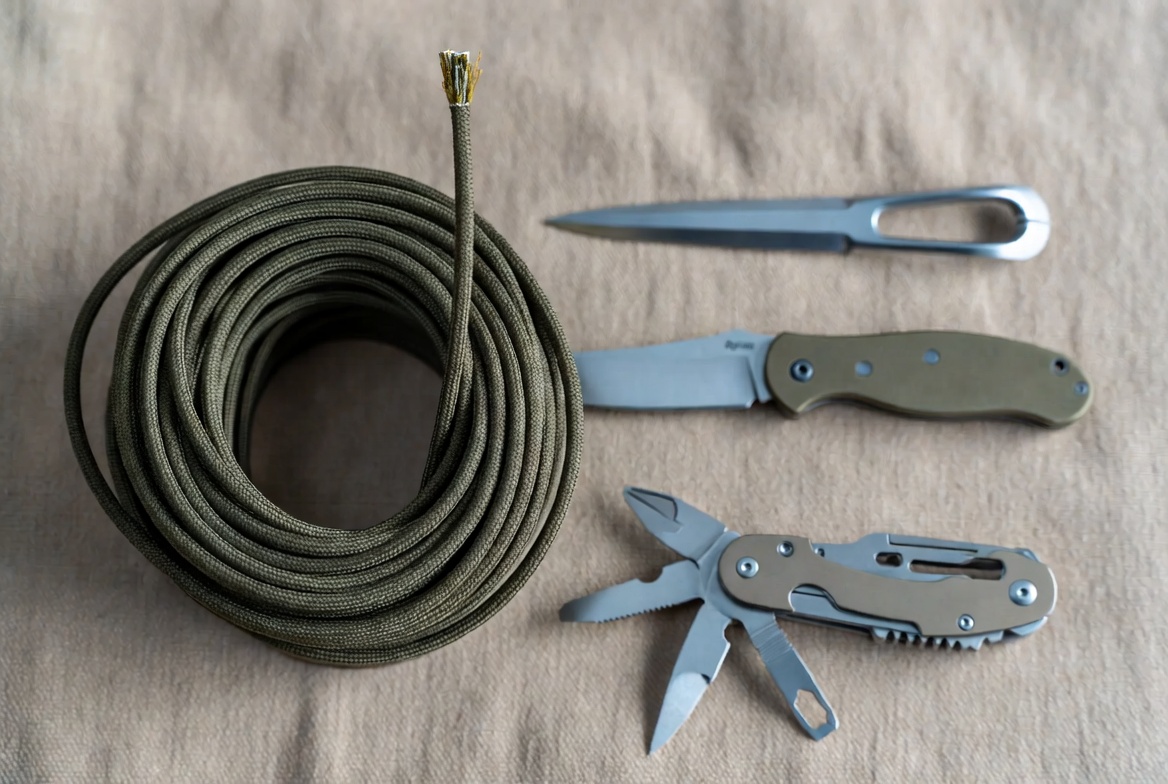
550 Paracord (Type III) Review: Practical Guide for EDC, Bushcraft, and Prep
A no-nonsense look at authentic Mil‑Spec 550 paracord in 2026: what it actually does well, where cheap knockoffs fail, and how to pick and use cordage that won’t let you down in the field.
review / buying_guide
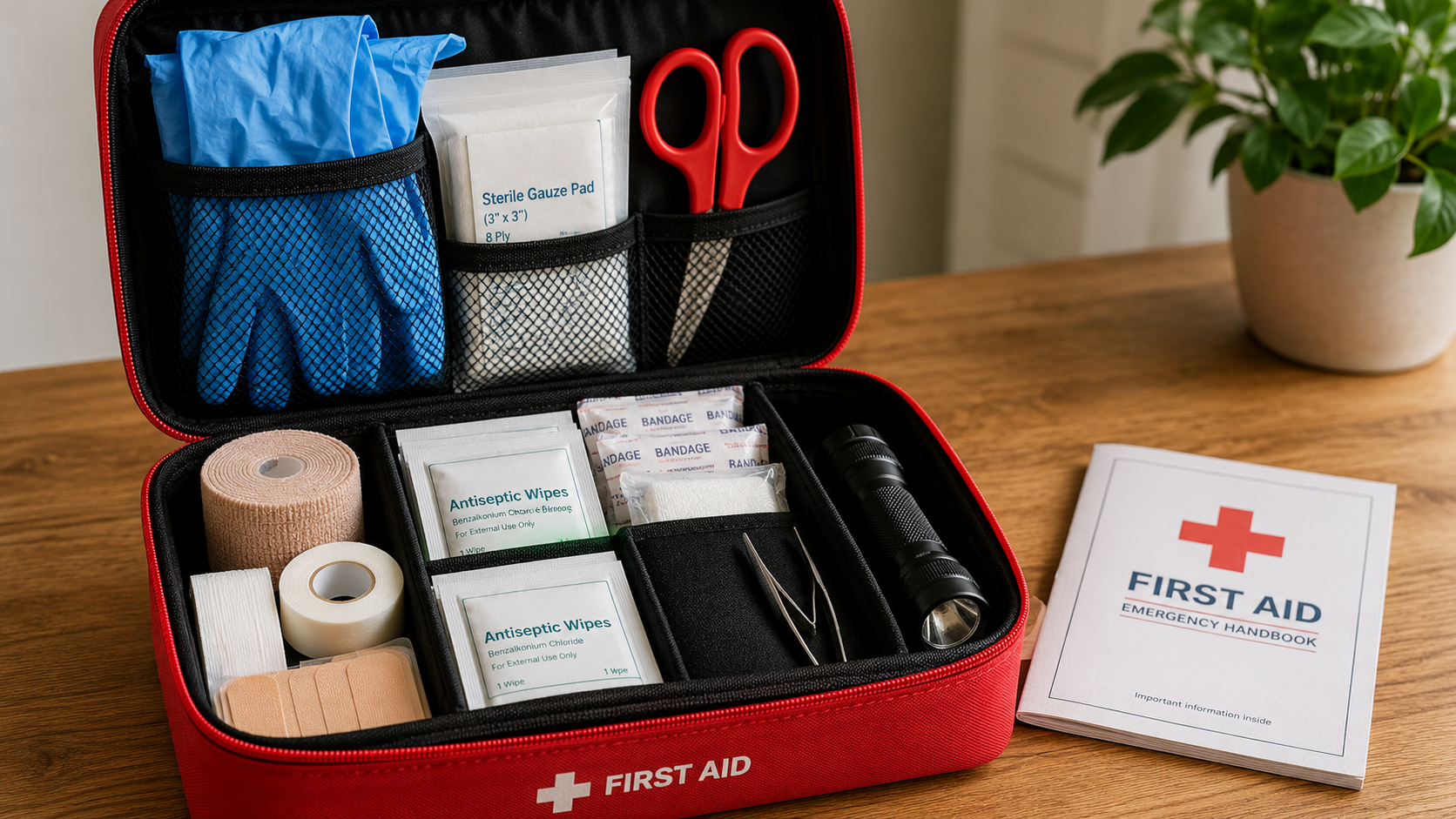
First Aid Kit Checklist: What I’d Want in One Before I Trust It
A first aid kit is one of those things people buy, toss in a drawer, and forget about, until the day they actually need it. Here’s what I’d check before trusting one for the house, truck, range bag, camping kit, or bug-out setup.
review / product
A Tried-and-True Camp Tool That Earns Its Spot in Your Pack
When it comes to camping gear, some tools look good online but disappoint in the field. The Silky PocketBoy Folding Saw is not one of those tools.
mistakes / buying_guide
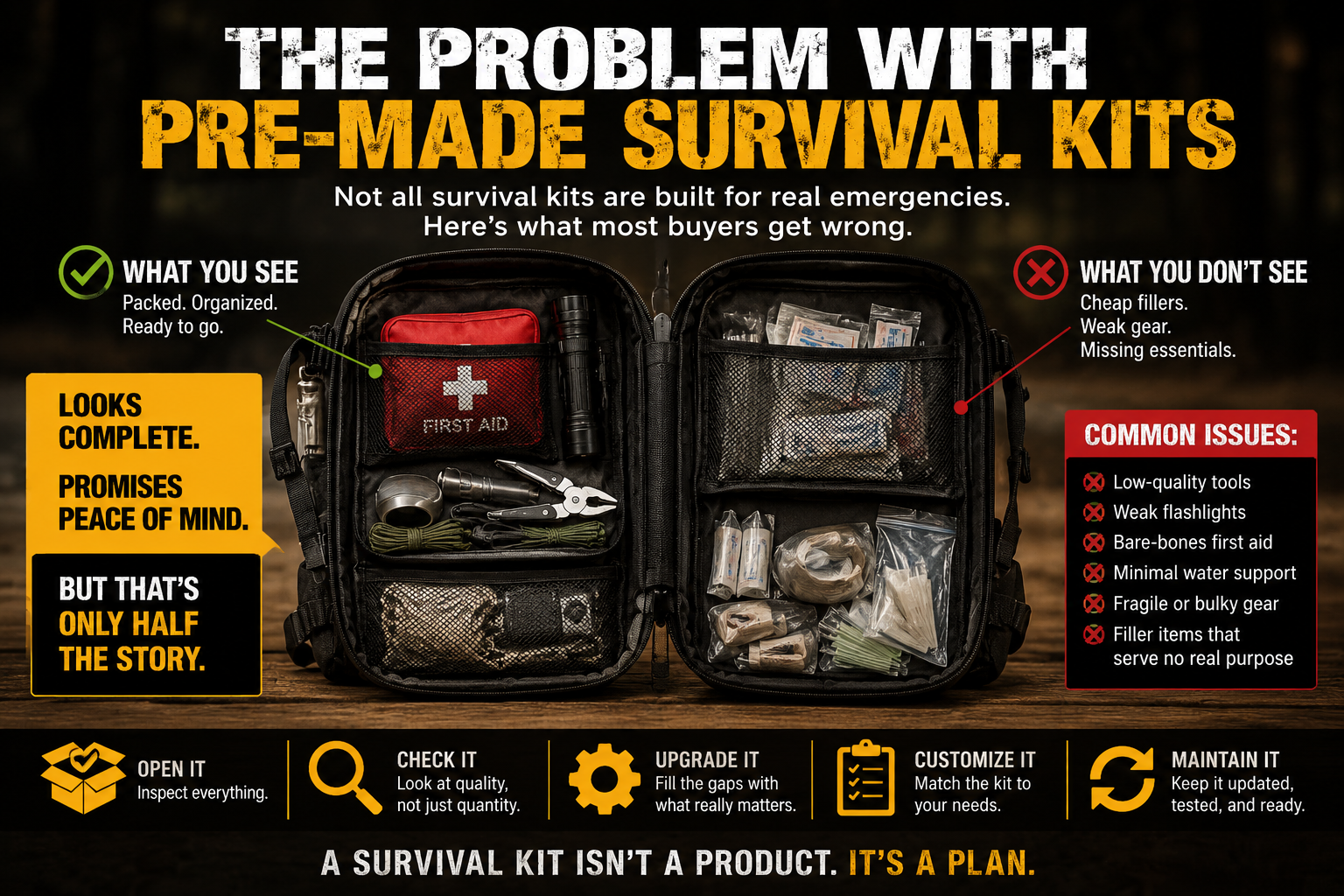
The Problem With Pre-Made Survival Kits
Pre-made survival kits can look like an easy fix for emergencies, but many prioritize shelf appeal over real usefulness. Learn what these kits miss, where they help, and how to vet one before you rely on it.
buying-guide / buying_guide
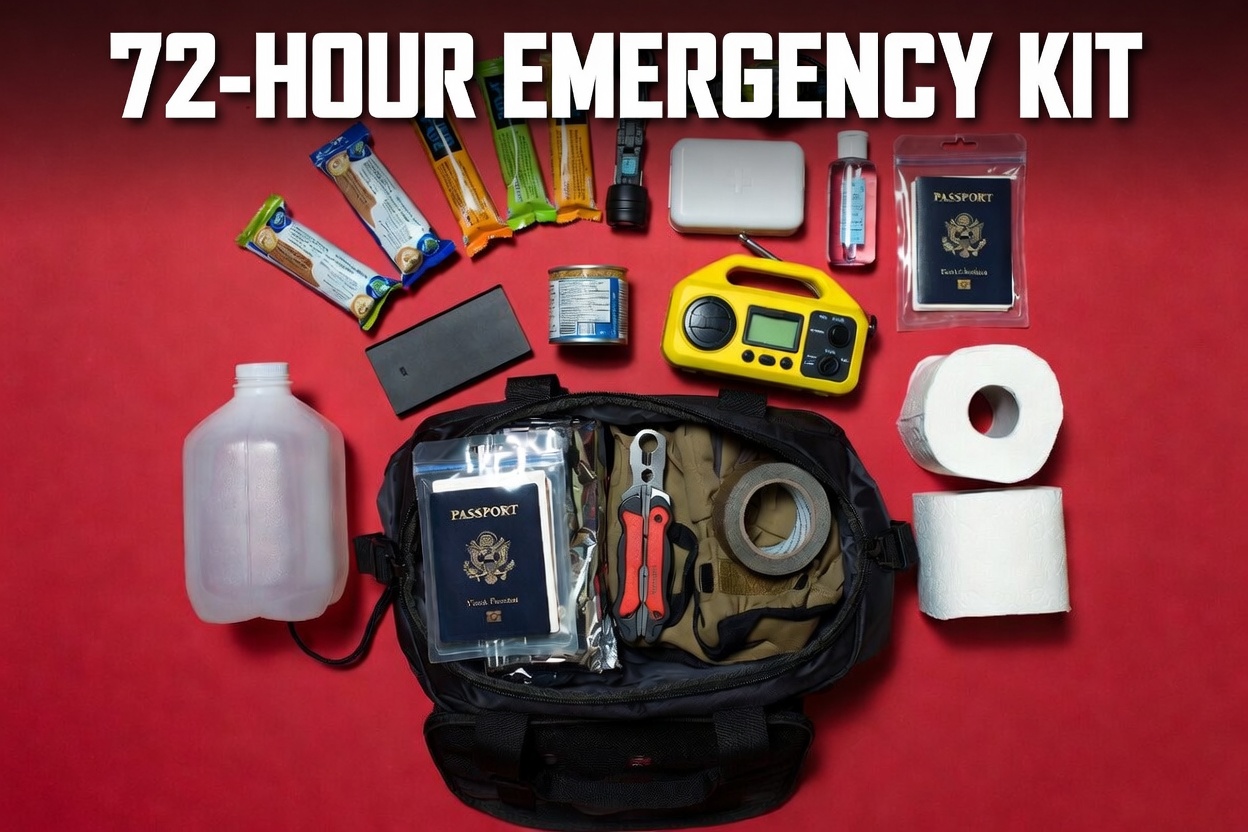
What to Pack in a Practical 72-Hour Emergency Kit
How to build a real 72-hour emergency kit that covers water, food, warmth, hygiene, tools, and meds without filler items that waste space. Learn what to prioritize and what low-value extras to skip.