review
A Tried-and-True Camp Tool That Earns Its Spot in Your Pack
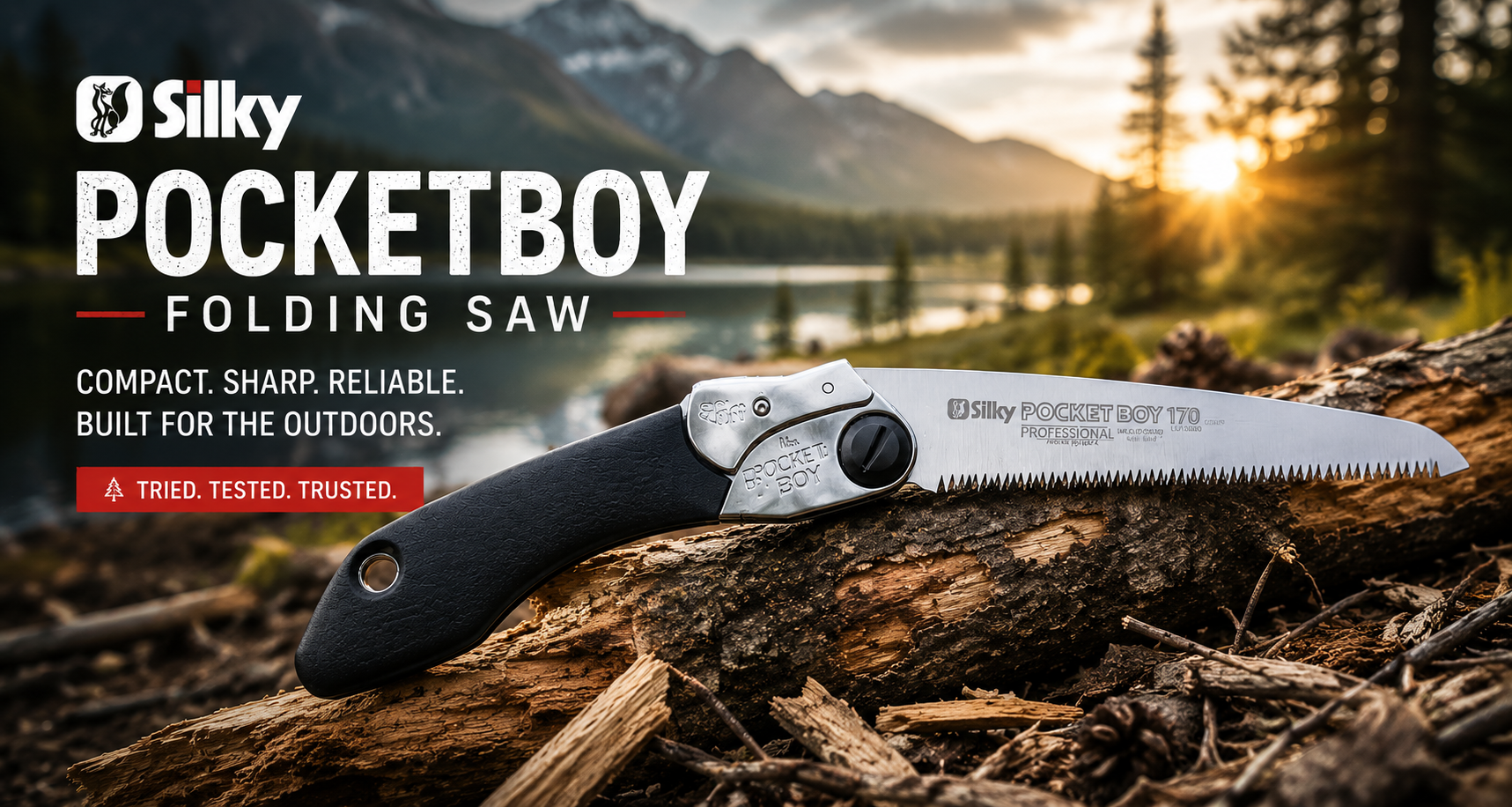
When it comes to camping gear, some tools look good online but disappoint in the field. The Silky PocketBoy Folding Saw is not one of those tools.
Folding Saws / product
Published: May 19, 2026 / Updated: Jun 2, 2026
Prices, availability, and product details can change. Check current details with the seller before buying.
Article
Overview
When it comes to camping gear, some tools look good online but disappoint in the field. The Silky PocketBoy Folding Saw is not one of those tools.
This is one of those pieces of gear that feels simple, dependable, and proven. It does not need batteries, fuel, charging cables, or complicated setup. You unfold it, lock the blade in place, and get to work.
For serious campers, bushcrafters, hikers, hunters, homesteaders, and anyone who spends real time outdoors, the Silky PocketBoy is the kind of saw that quickly becomes part of your regular kit.
Why the Silky PocketBoy Stands Out
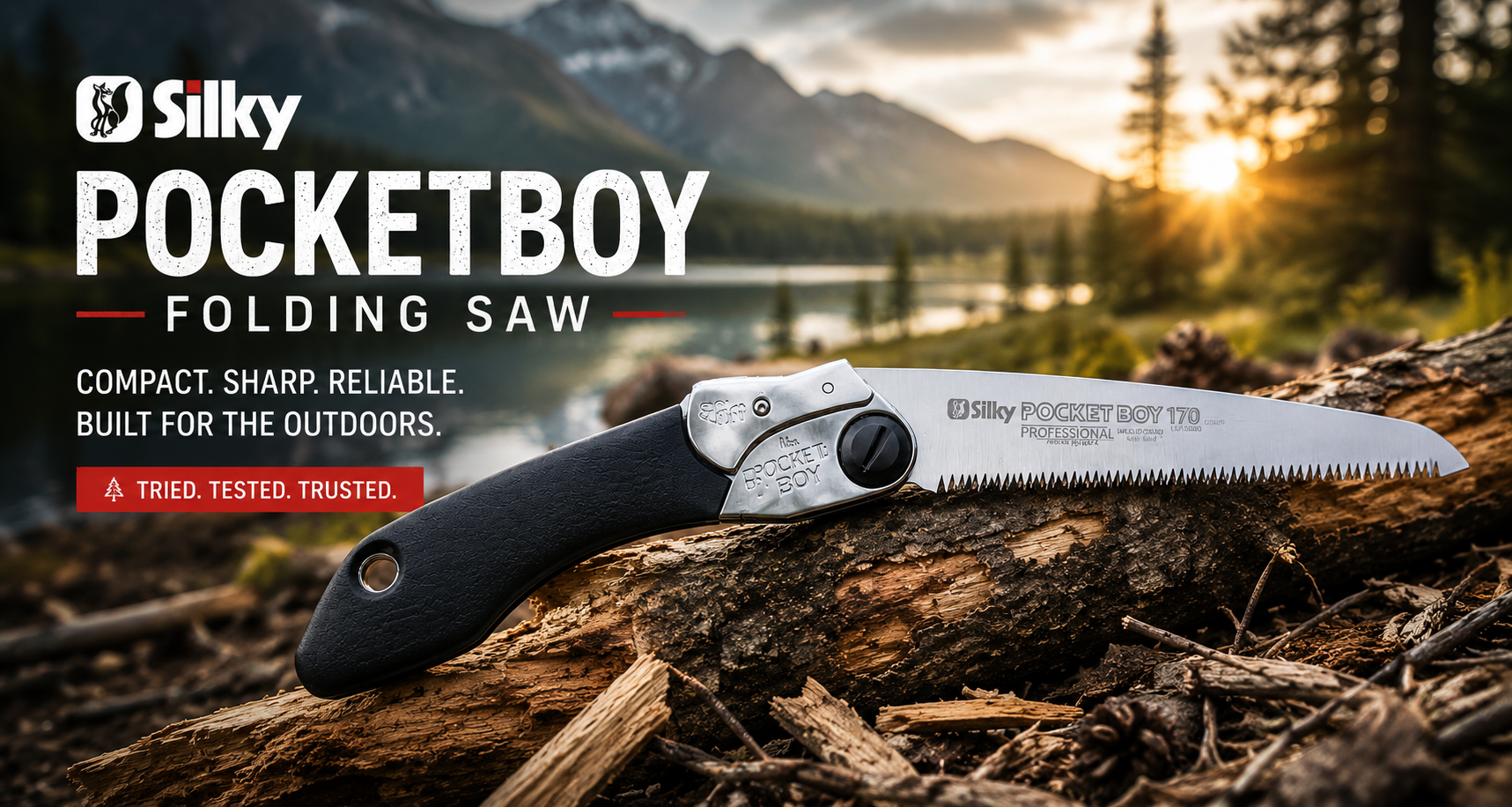
The first thing you notice about the PocketBoy is how compact it is. This is not a huge bow saw or a heavy camp axe. It folds down into a small package that fits easily in a backpack, camp box, truck kit, or even a large pocket.
But the real magic is in the cut.
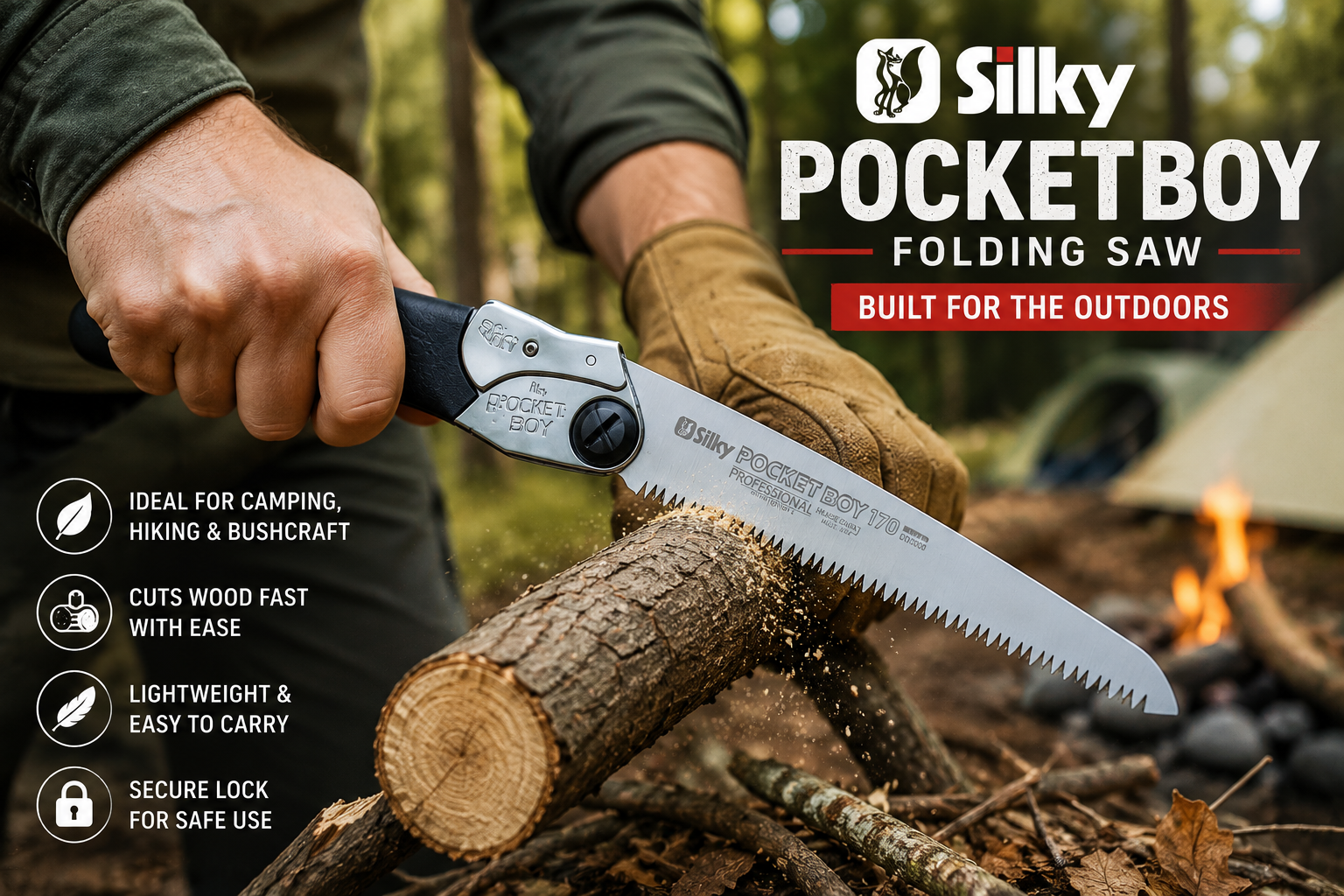
Silky saws are known for their sharp pull-cut blades. Instead of forcing the saw through wood with heavy pressure, the PocketBoy cuts efficiently on the pull stroke. That makes it feel controlled, smooth, and fast, especially once you get used to letting the blade do the work.
The blade is thin, sharp, and aggressive enough to make quick work of branches and small logs. For camp chores, trail cleanup, and firewood prep, it punches way above its size.
Built for Camp Life
The PocketBoy is exactly the kind of tool that makes sense in a camping setup.
A hatchet has its place, but a saw is often safer, quieter, cleaner, and more efficient for cutting limbs to length. When you need to process small campfire wood, trim branches, or cut poles for a tarp setup, a folding saw can be the better choice.
The PocketBoy gives you that ability without taking up much room.
It is also a smart choice for people who care about pack weight. The 130mm and 170mm versions are both compact, and depending on the model, the saw weighs only a few ounces. That makes it easy to justify carrying even when you are trying to keep your kit lean.
What I Like About It
The biggest compliment I can give the Silky PocketBoy is that it works every time.
It feels like a tool made by people who understand cutting wood. The handle is comfortable, the blade locks securely, and the cutting performance is excellent for a folding saw this small.
I also like that it is not trying to be flashy. It is just a practical, well-made tool that does its job. After using it, you start to understand why so many campers, arborists, gardeners, hunters, and bushcraft people trust Silky saws.
This is one of those tools that earns confidence through use.
Best Uses for the Silky PocketBoy
The Silky PocketBoy is best for:
Camping
Bushcraft
Backpacking
Hiking
Trail maintenance
Pruning
Cutting small limbs
Processing kindling and small campfire wood
Emergency vehicle kits
Hunting and outdoor work
It is not meant to replace a chainsaw, full-size hand saw, or heavy axe. But for the size and weight, it offers outstanding cutting ability.
For most normal camp tasks, it is more than enough.
Blade Size: 130mm vs. 170mm
The PocketBoy is commonly available in 130mm and 170mm blade lengths.
The 130mm version is the more compact option. It is great if you want the smallest, lightest saw possible for a backpack, belt pouch, glove box, or emergency kit.
The 170mm version gives you a little more reach and cutting capacity. If you plan to use the saw often around camp or want better performance on thicker branches, the 170mm model may be the better choice.
For general camping, I would lean toward the 170mm version if space is not a major issue. For ultralight kits or occasional use, the 130mm version is excellent.
Tooth Options Matter
One thing to pay attention to is the tooth configuration.
Silky PocketBoy saws are available with different tooth sizes, including large, medium, fine, and extra-fine options depending on the model. Large teeth are better for green wood and faster outdoor cutting. Medium teeth are a good all-around choice. Fine teeth are better for harder, drier wood or cleaner cuts.
For camping and general outdoor use, medium or large teeth usually make the most sense.
If your main use is campfire wood, trail work, or cutting branches, I would avoid going too fine unless you specifically need smoother cuts.
The Pros
Excellent cutting performance
The PocketBoy cuts fast for its size and makes camp chores much easier.
Compact and lightweight
It is easy to pack and does not take up much room.
Comfortable handle
The rubberized handle gives good grip and control.
Secure folding design
The blade folds safely into the handle when not in use.
Great for serious campers
It is practical, reliable, and useful in real outdoor conditions.
More efficient than a knife or hatchet for many tasks
For cutting branches and small logs, a saw is often the smarter tool.
The Cons
No tool is perfect.
The blade is very sharp, so you need to respect it
This is not a toy. Use controlled strokes and keep your free hand away from the cutting path.
Replacement blades can be expensive
Silky blades are high quality, but replacement blades are not as cheap as budget saw blades.
It is not for heavy-duty log cutting
The PocketBoy is excellent for its size, but it is still a compact folding saw. For larger wood, choose a bigger Silky model like the Gomboy, BigBoy, or Katanaboy.
Pull-saw technique takes a little adjustment
Do not force it on the push stroke. Let the saw cut on the pull stroke and it performs beautifully.
Who Should Buy the Silky PocketBoy?
The Silky PocketBoy is a great choice for anyone who wants a compact, reliable, high-performing folding saw.
It is especially good for:
Campers who regularly process small firewood
Backpackers who want a lightweight cutting tool
Bushcraft users who prefer practical tools
Hunters clearing shooting lanes or camp areas
Gardeners and homeowners who need a compact pruning saw
Anyone building a vehicle emergency kit
If you are serious about camping, this is one of those tools that makes sense to own.
Who Should Skip It?
You may want a different saw if you regularly cut larger logs or need something for heavy trail clearing. In that case, a larger Silky saw may be a better fit.
You should also skip it if you want the cheapest possible folding saw. The PocketBoy is not the cheapest option, but in my opinion, it is the kind of tool where the extra quality is worth it.
Final Thoughts
The Silky PocketBoy Folding Saw is one of those rare outdoor tools that feels both simple and impressive.
It is compact, sharp, reliable, and genuinely useful. It does not take up much space, but when you need it, it can make a big difference around camp.
For campers, hikers, bushcrafters, and outdoor people who value dependable gear, the PocketBoy is easy to recommend. It is a tried-and-true saw that has earned its reputation.
If you want a serious folding saw that belongs in a real camping kit, the Silky PocketBoy is a fantastic choice.
Rating: 9.5/10
Recommended For
Camping, bushcraft, pruning, hiking, trail work, emergency kits, and serious outdoor use.
Best Version to Buy
For most campers, the Silky PocketBoy 170mm with medium or large teeth is probably the best all-around choice. It gives you more cutting ability while still staying compact.
For a smaller kit, the Silky PocketBoy 130mm is an excellent pocket-sized option.
More BuyerProbe Reads
Keep Reading
review / product
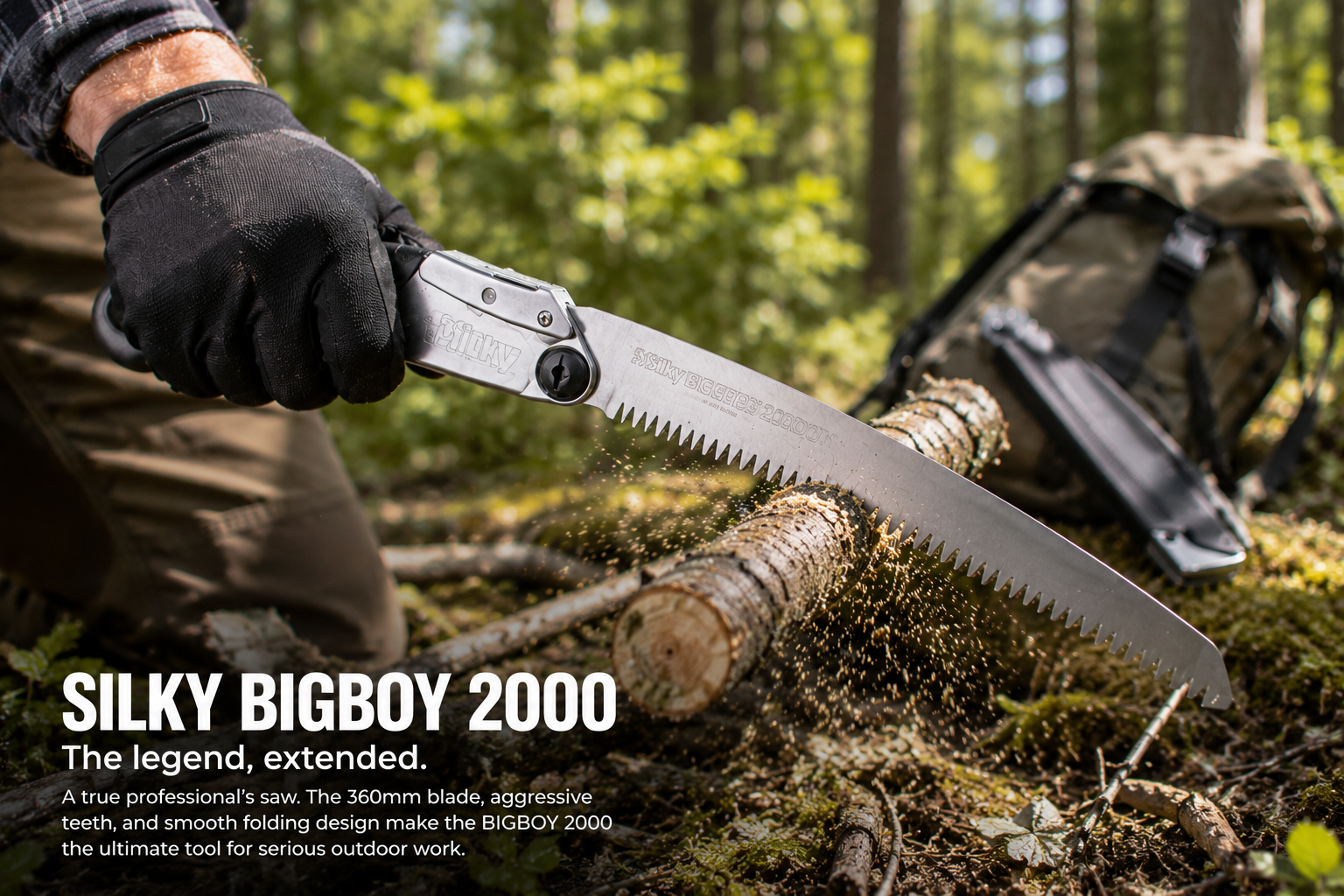
Silky Professional BIGBOY 2000 Folding Saw: durable, fast cutting for heavy yard and trail work
A practical look at the BIGBOY 2000 after a year of regular use. Learn what it handles well, its real limitations, and who should buy it.
review / comparison
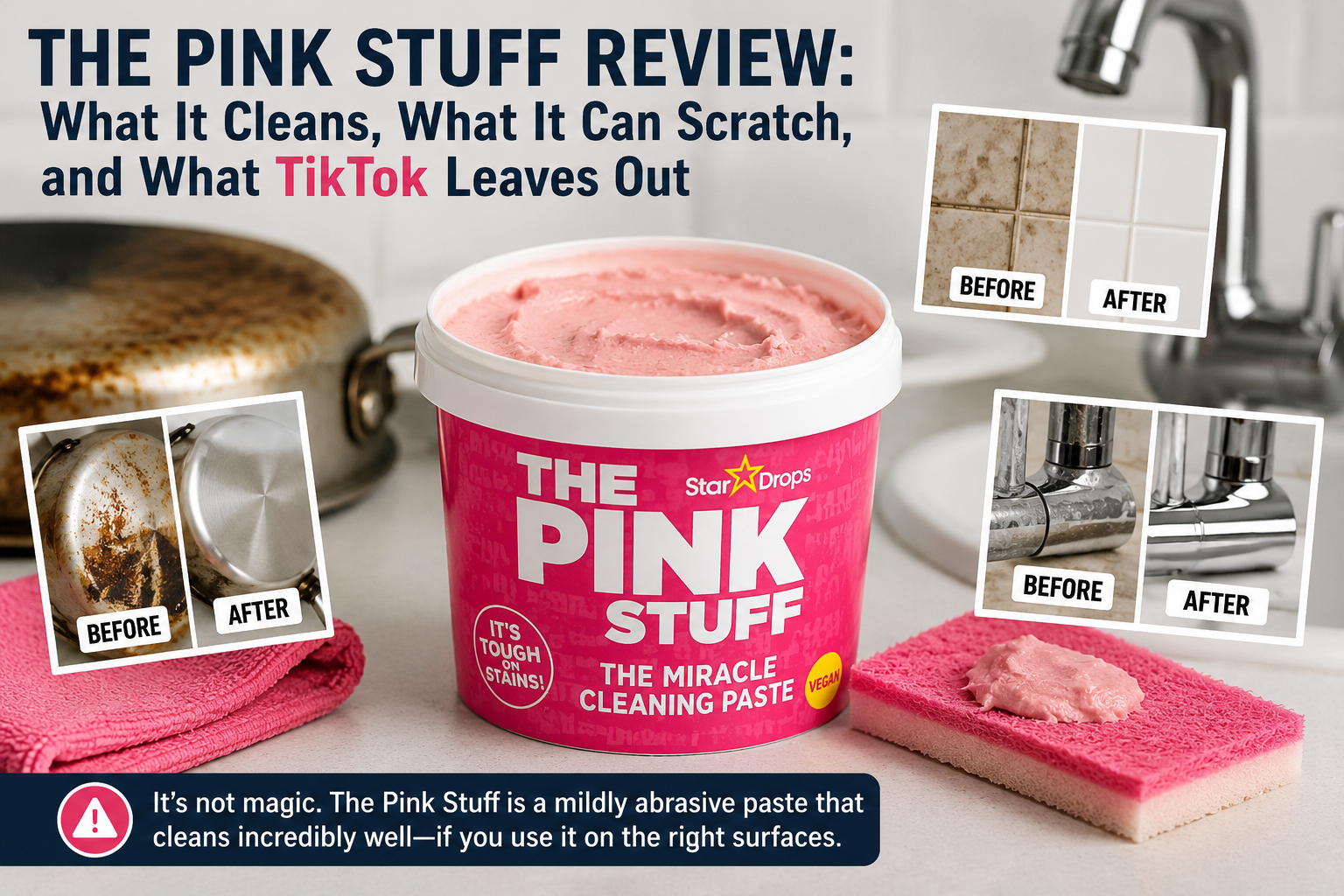
The Pink Stuff Review: What It Cleans, What It Can Scratch, and What TikTok Leaves Out
A practical look at The Pink Stuff Miracle Cleaning Paste and what viral videos do not show. Learn where it shines, where it risks damage, and better options for delicate surfaces.

review / product
Smart glasses buying checklist: what to actually watch for
Smart glasses are tempting, but don’t buy on novelty. This checklist walks through the practical features and tradeoffs to check before you spend.
review / product
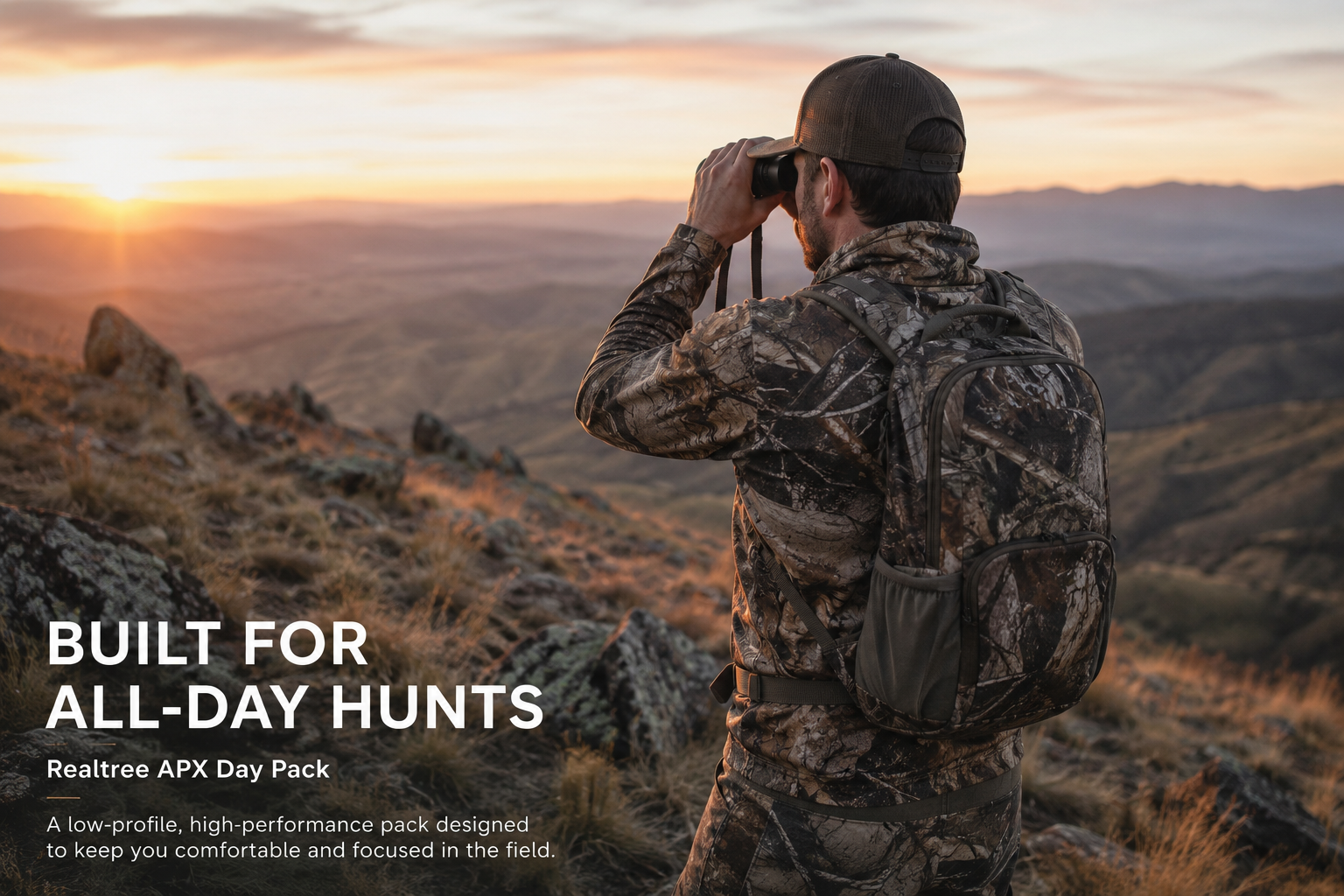
ALPS OutdoorZ Crossfire Pack (Realtree APX) Review: A Comfortable Day Pack for Hunters
A hands-on look at the Crossfire 23L hunting pack. Learn where it shines, who should buy it, and which hunters should look for bigger, tougher alternatives.
review / product
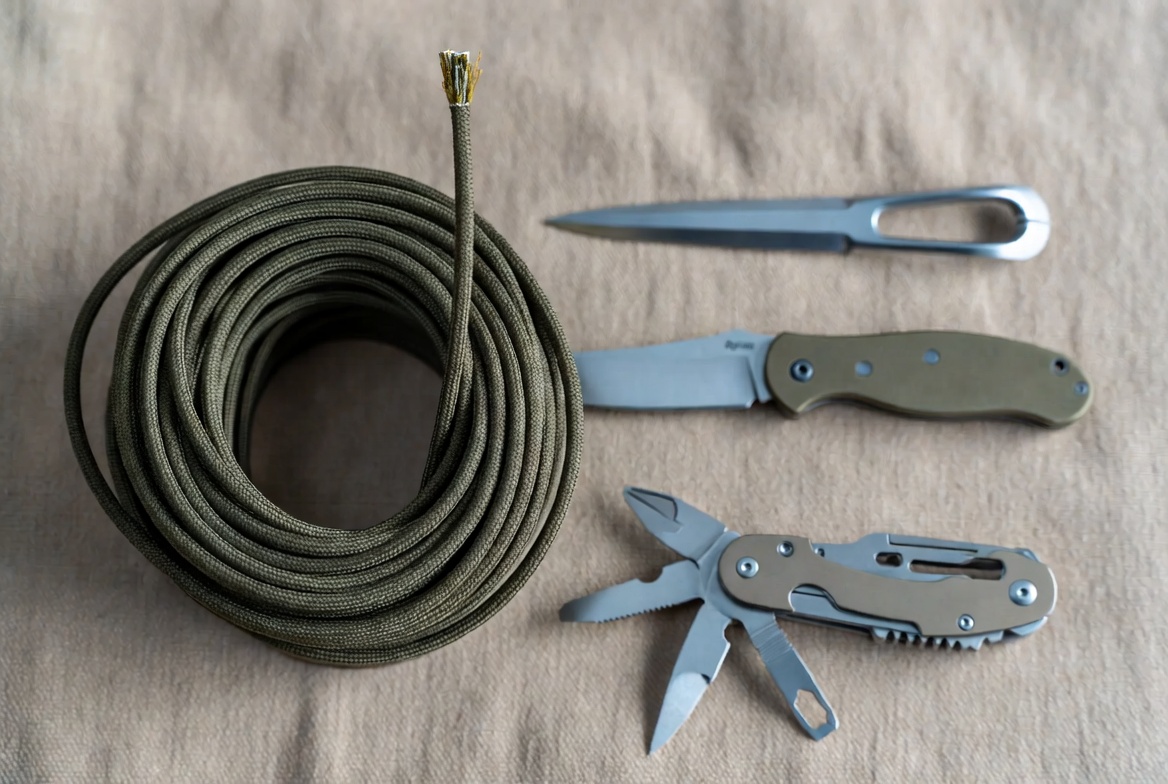
550 Paracord (Type III) Review: Practical Guide for EDC, Bushcraft, and Prep
A no-nonsense look at authentic Mil‑Spec 550 paracord in 2026: what it actually does well, where cheap knockoffs fail, and how to pick and use cordage that won’t let you down in the field.
review / buying_guide
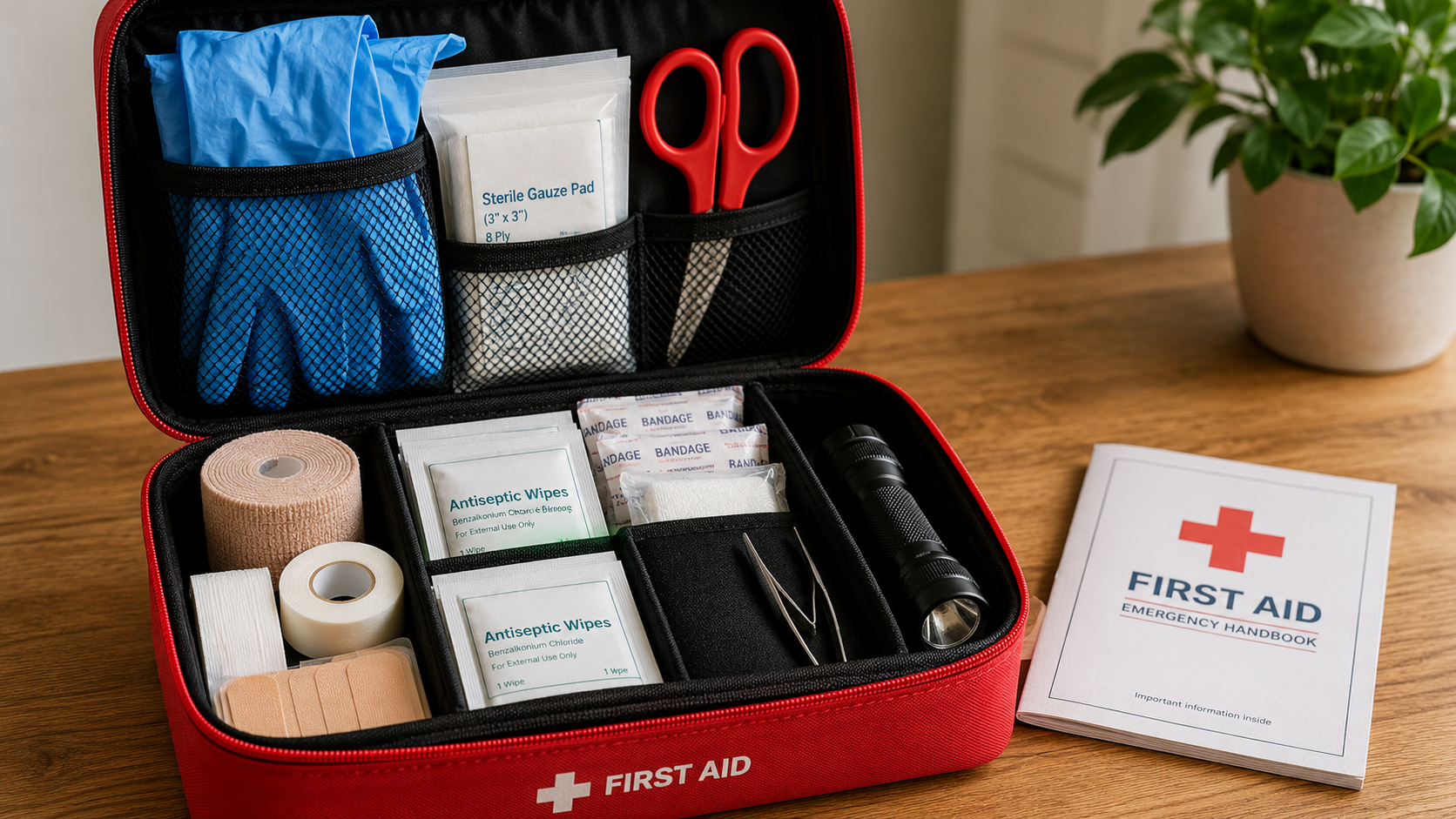
First Aid Kit Checklist: What I’d Want in One Before I Trust It
A first aid kit is one of those things people buy, toss in a drawer, and forget about, until the day they actually need it. Here’s what I’d check before trusting one for the house, truck, range bag, camping kit, or bug-out setup.
mistakes / buying_guide
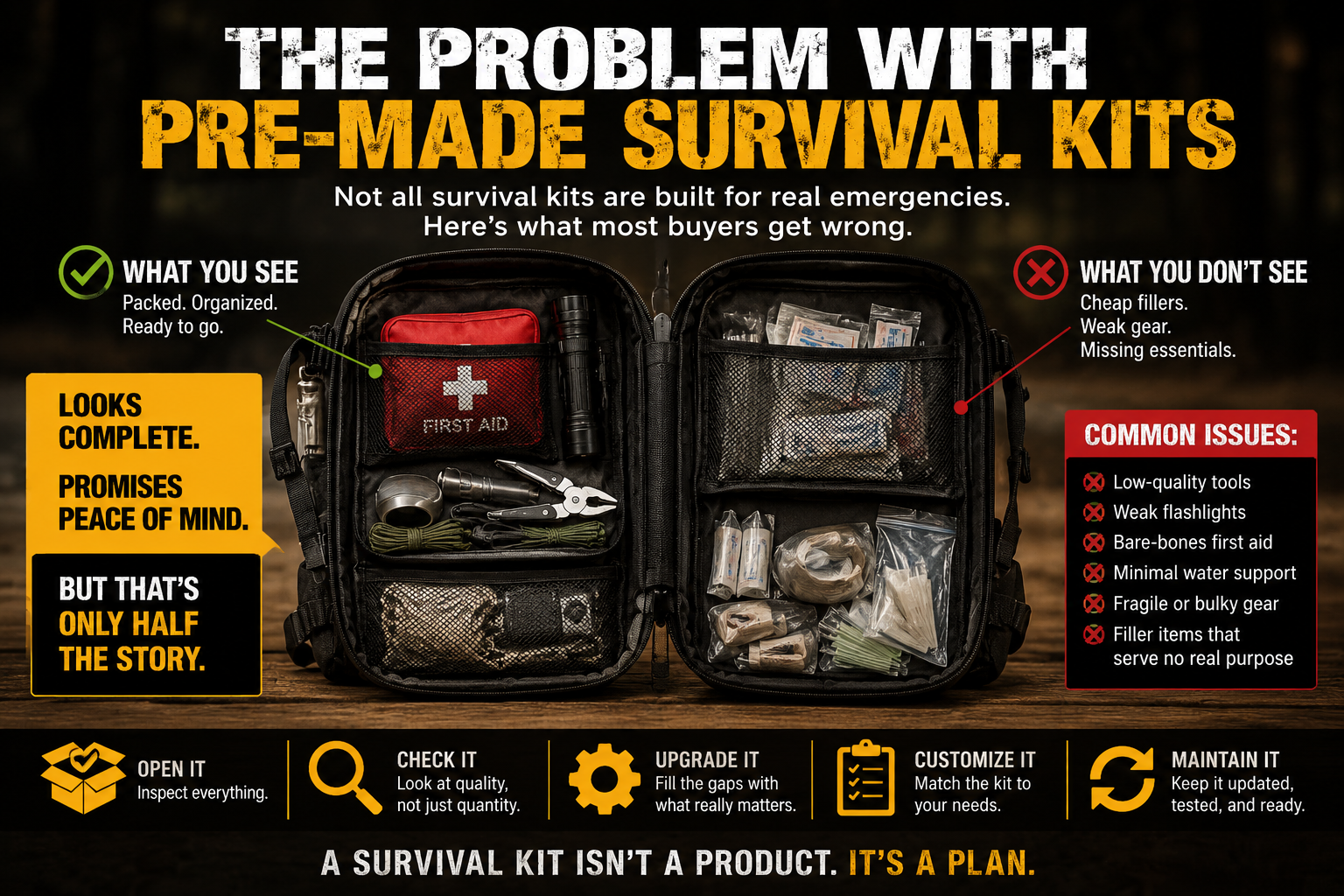
The Problem With Pre-Made Survival Kits
Pre-made survival kits can look like an easy fix for emergencies, but many prioritize shelf appeal over real usefulness. Learn what these kits miss, where they help, and how to vet one before you rely on it.
buying-guide / buying_guide
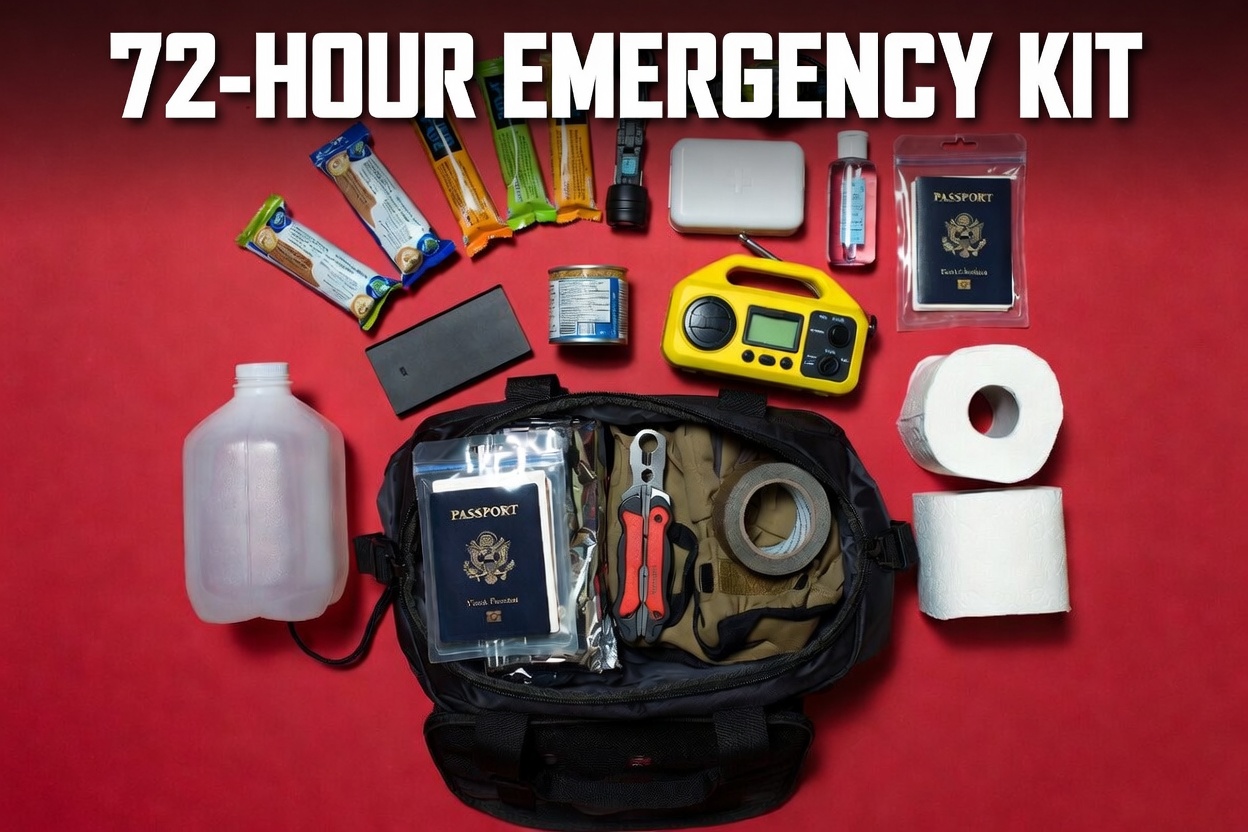
What to Pack in a Practical 72-Hour Emergency Kit
How to build a real 72-hour emergency kit that covers water, food, warmth, hygiene, tools, and meds without filler items that waste space. Learn what to prioritize and what low-value extras to skip.