review
First Aid Kit Checklist: What I’d Want in One Before I Trust It
A first aid kit is one of those things people buy, toss in a drawer, and forget about, until the day they actually need it. Here’s what I’d check before trusting one for the house, truck, range bag, camping kit, or bug-out setup.
Field First Aid Kits / buying_guide
Published: May 22, 2026 / Updated: Jun 2, 2026
Prices, availability, and product details can change. Check current details with the seller before buying.
Article
Overview
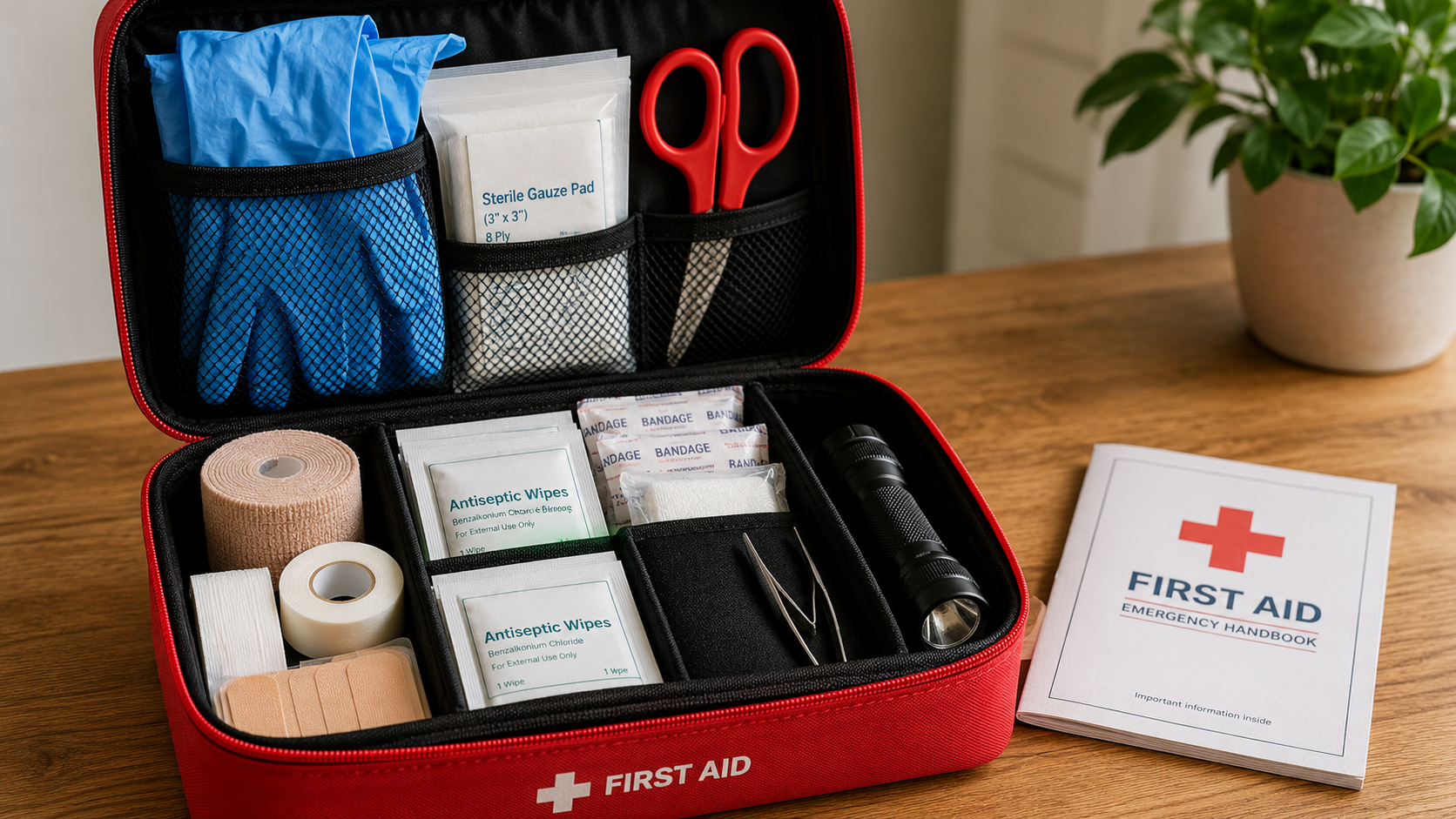
A good first aid kit is not just “a box with bandages.” It should help you handle the boring stuff, cuts, scrapes, blisters, stings, headaches, and also give you a fighting chance when something more serious happens.
The American Red Cross recommends keeping first aid kits in both the home and car, checking them regularly, and replacing expired or used supplies. Ready.gov also recommends having emergency supplies that can support you for several days after a disaster.
The best kit is the one you understand, maintain, and can get too quickly.
Author note:
As a former combat medic, I’ve seen how much difference a well-built kit can make. The goal here is not to scare anyone into buying gear, it’s to help people avoid the cheap “200-piece bandage box” trap and build something they can actually use when it matters.
Quick First Aid Kit Checklist
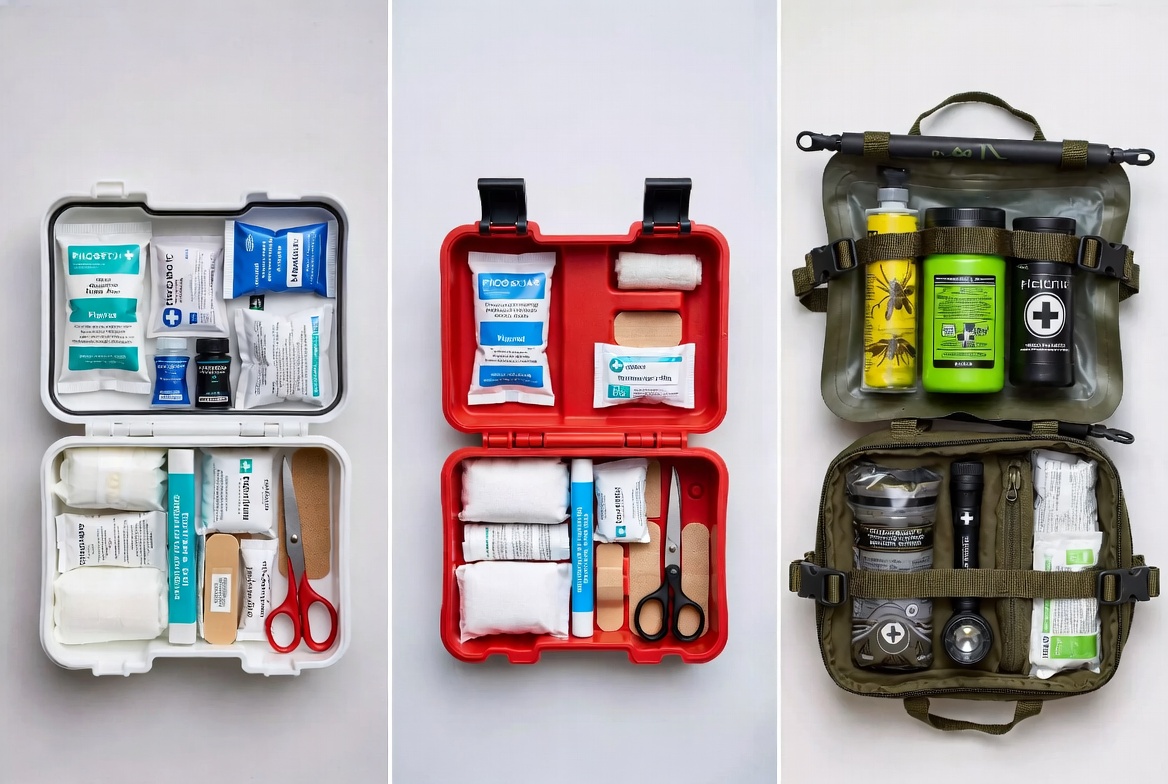
Quick First Aid Kit Checklist
Use this as the fast scan before buying or building a kit.
Wound Care Basics
A solid kit should include:
Adhesive bandages in multiple sizes
Sterile gauze pads
Roller gauze
Medical tape
Antiseptic wipes
Antibiotic ointment
Non-latex gloves
Tweezers
Small scissors or trauma shears
Instant cold pack
This is the everyday stuff. Cuts, scrapes, busted knuckles, blisters, small burns, and minor bleeding are the most common reasons most people reach for a first aid kit.
BuyerProbe check:
If the kit is mostly tiny bandages and a few wipes, it is not a serious kit. It is a boo-boo pouch.
Bleeding Control
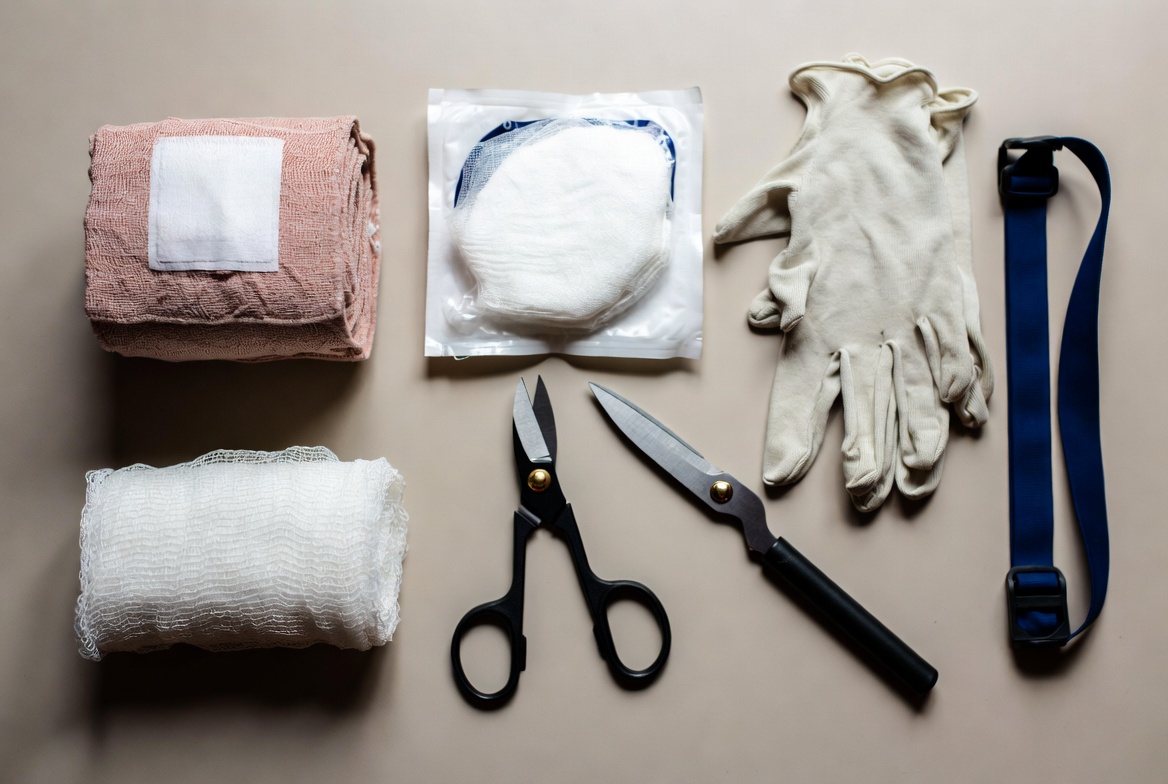
This is where cheap kits often fall short.
Look for:
Larger sterile dressings
Compression bandages
Extra gauze
Medical gloves
Trauma pad
Tourniquet, if you know how to use one
The American Heart Association’s listed minimum contents for an American Red Cross first aid kit include items for bleeding control, gloves, dressings, roller bandages, and a manufactured tourniquet.
BuyerProbe check:
If you camp, hunt, work with tools, drive long distances, or spend time away from quick help, bleeding control matters more than having 75 tiny bandages.
Medications and Personal Items
A premade kit may not include everything your household needs. Add personal items such as:
Prescription medications
Allergy medication
Pain reliever
Aspirin, where appropriate
Glucose tablets, where appropriate
Emergency contact numbers
Medical history notes
Copies of important medical information
The Red Cross specifically recommends adding personal items like medications, emergency phone numbers, and anything suggested by a health-care provider.
Important note:
Do not add medications blindly. Consider who will use the kit, allergies, age, health conditions, and storage temperatures.
Tools That Make the Kit Actually Useful
The little extras matter.
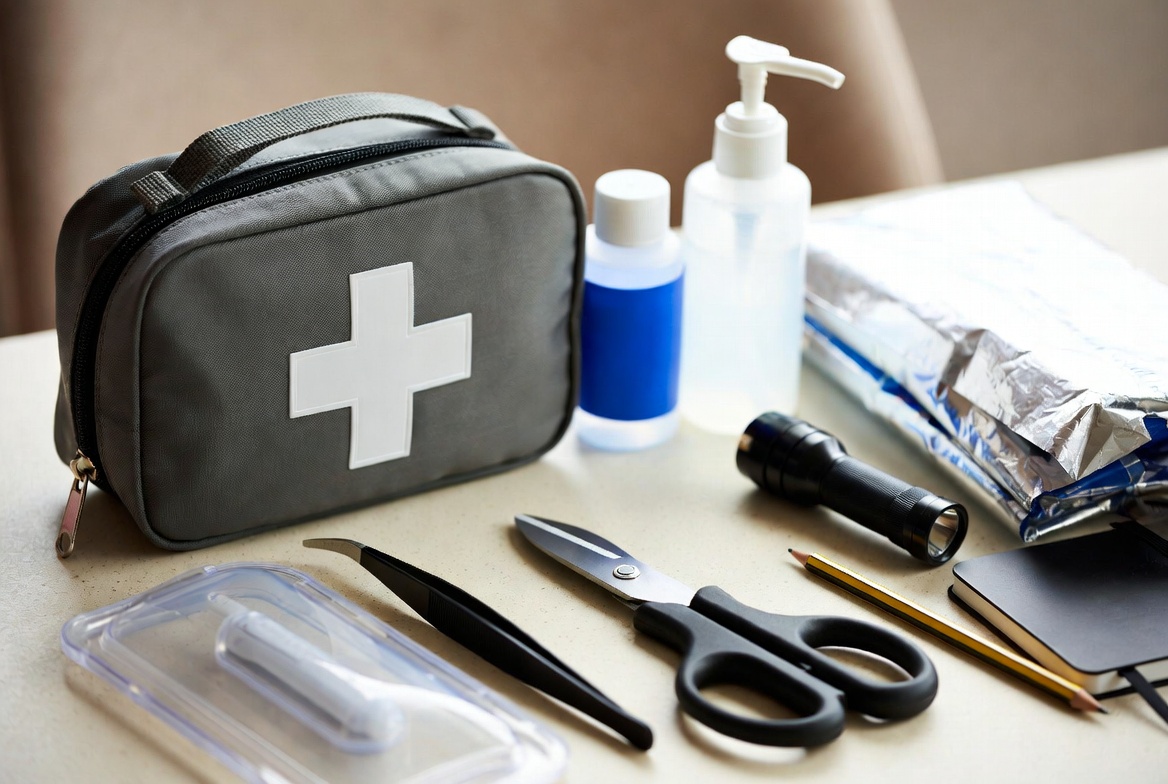
Good additions include:
Flashlight or headlamp
CPR face shield or breathing barrier
Emergency blanket
Hand sanitizer
Saline rinse
Splinter tweezers
Notebook and pencil
Small trash bag
Waterproof pouch
First aid guide
A first aid guide is easy to overlook, but it matters. When someone is bleeding, panicking, or hurt, your memory may not be as sharp as you think.
BuyerProbe check:
A kit should be organized enough that you can find what you need fast. A pile of loose supplies in a plastic bag is better than nothing, but it is not ideal.
Outdoor, Camping, and Vehicle Add-ons
For a field kit, I would add:
Blister treatment
Burn dressing
Sting relief
Tick remover
Sunscreen
Electrolyte packets
Emergency whistle
Waterproof storage bag
Extra gloves
More gauze than you think you need
For a vehicle kit, add:
Flashlight
Blanket
Water
Phone charger
Work gloves
Emergency contact card
The CDC emergency checklist includes essentials like water, food, flashlight, batteries, first aid kit, medications, contact information, phone chargers, documents, cash, emergency blanket, maps, and a manual can opener.
What I Don’t Like in Cheap First Aid Kits
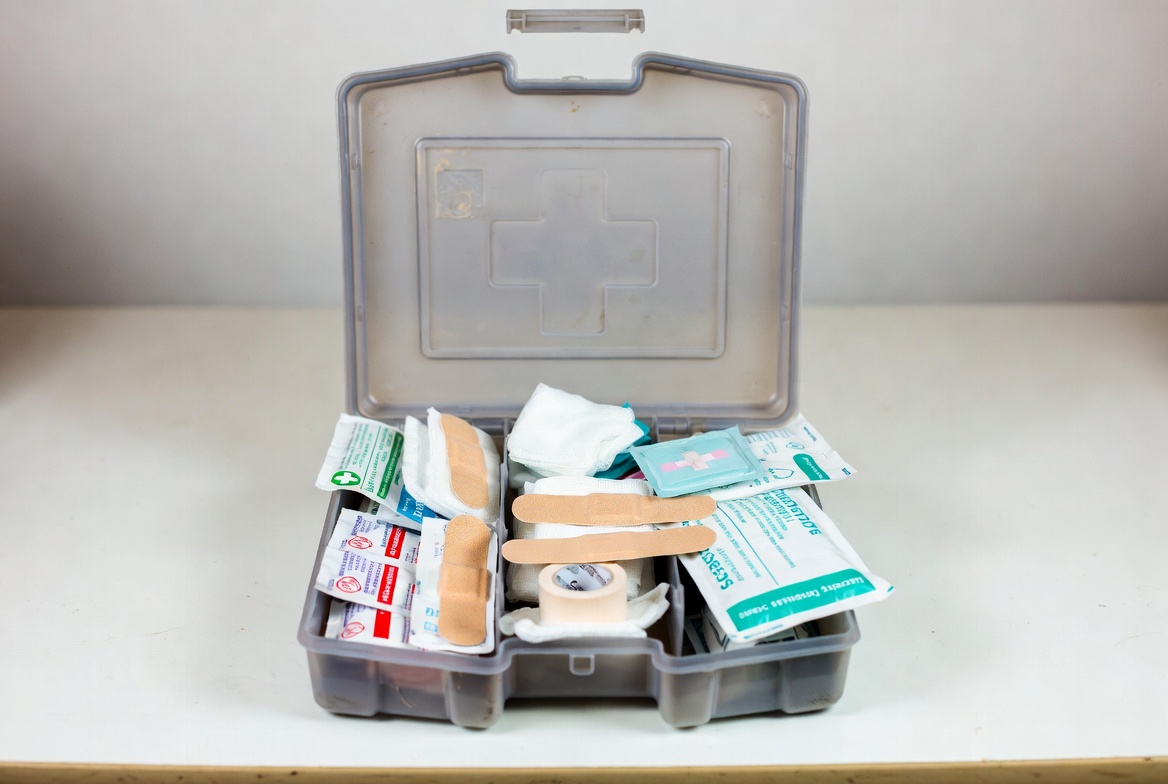
Be careful with kits that look big because they count every tiny item as a “piece.”
Watch out for:
200-piece kits that are mostly bandages
Weak plastic cases that crack
No real bleeding-control supplies
No gloves or only one pair
No room to add your own items
Mystery-brand supplies with poor packaging
No expiration dates
No organization
A kit should not just look impressive in a product photo. It should be useful under stress.
Home Kit vs. Car Kit vs. Trail Kit
You may not need the same setup everywhere.
Home Kit
This can be larger and more complete. Store it somewhere obvious and tell everyone where it is.
Car Kit
This should handle roadside injuries, cuts, bad weather, and delays. Heat can shorten the life of some supplies, so check it often.
Trail or Camping Kit
This should be compact, waterproof, and focused on likely injuries: cuts, blisters, burns, sprains, bug bites, and bleeding.
BuyerProbe rule:
The farther you are from help, the more serious your kit needs to be.
Maintenance Checklist
Buying the kit is only step one.
Check it every few months for:
Expired medications
Dried-out wipes
Damaged packaging
Missing gloves
Used bandages
Leaking ointments
Dead flashlight batteries
Water damage
Items that no longer match your needs
The Red Cross recommends checking kits regularly, replacing expired or used supplies, and keeping first aid kits in the home and car.
More BuyerProbe Reads
Keep Reading
buying-guide / buying_guide
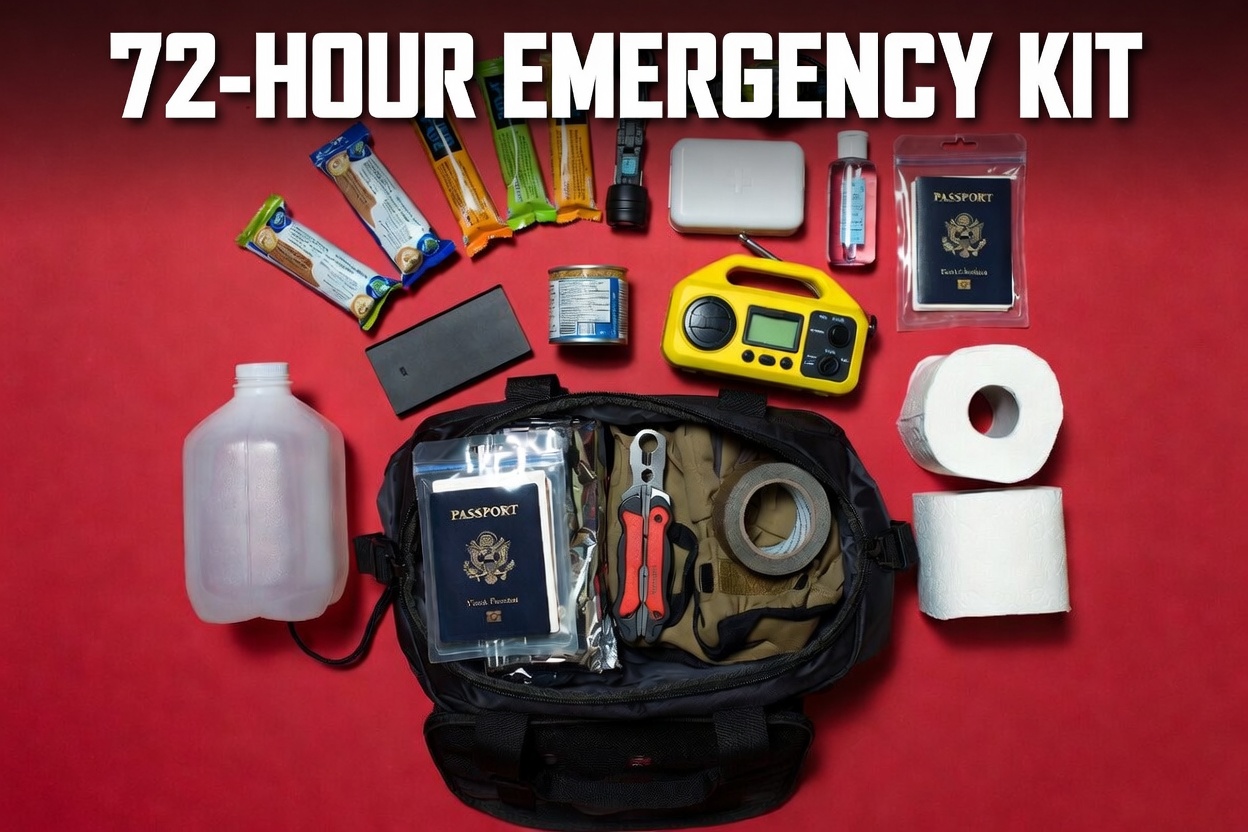
What to Pack in a Practical 72-Hour Emergency Kit
How to build a real 72-hour emergency kit that covers water, food, warmth, hygiene, tools, and meds without filler items that waste space. Learn what to prioritize and what low-value extras to skip.
review / product
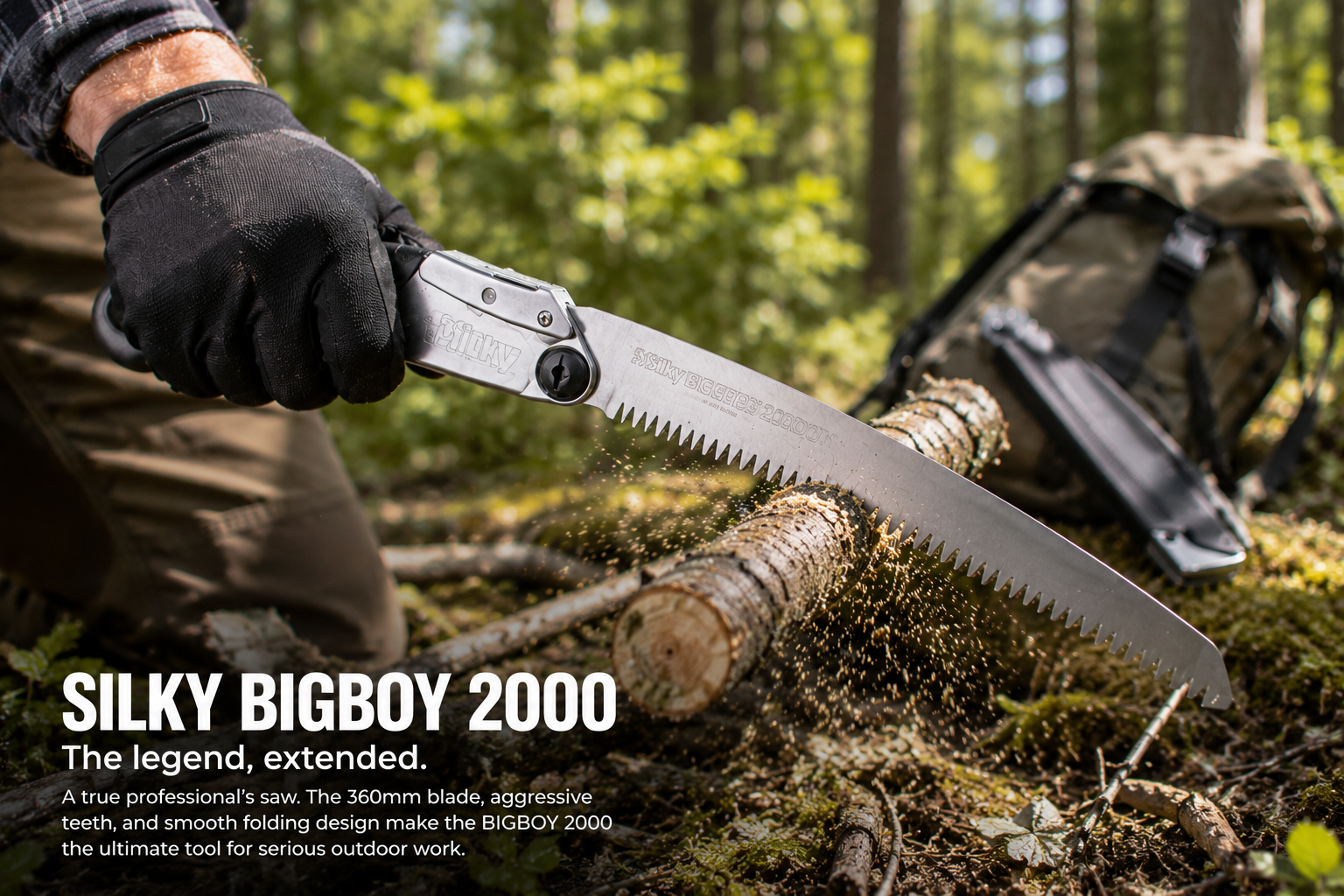
Silky Professional BIGBOY 2000 Folding Saw: durable, fast cutting for heavy yard and trail work
A practical look at the BIGBOY 2000 after a year of regular use. Learn what it handles well, its real limitations, and who should buy it.
review / comparison
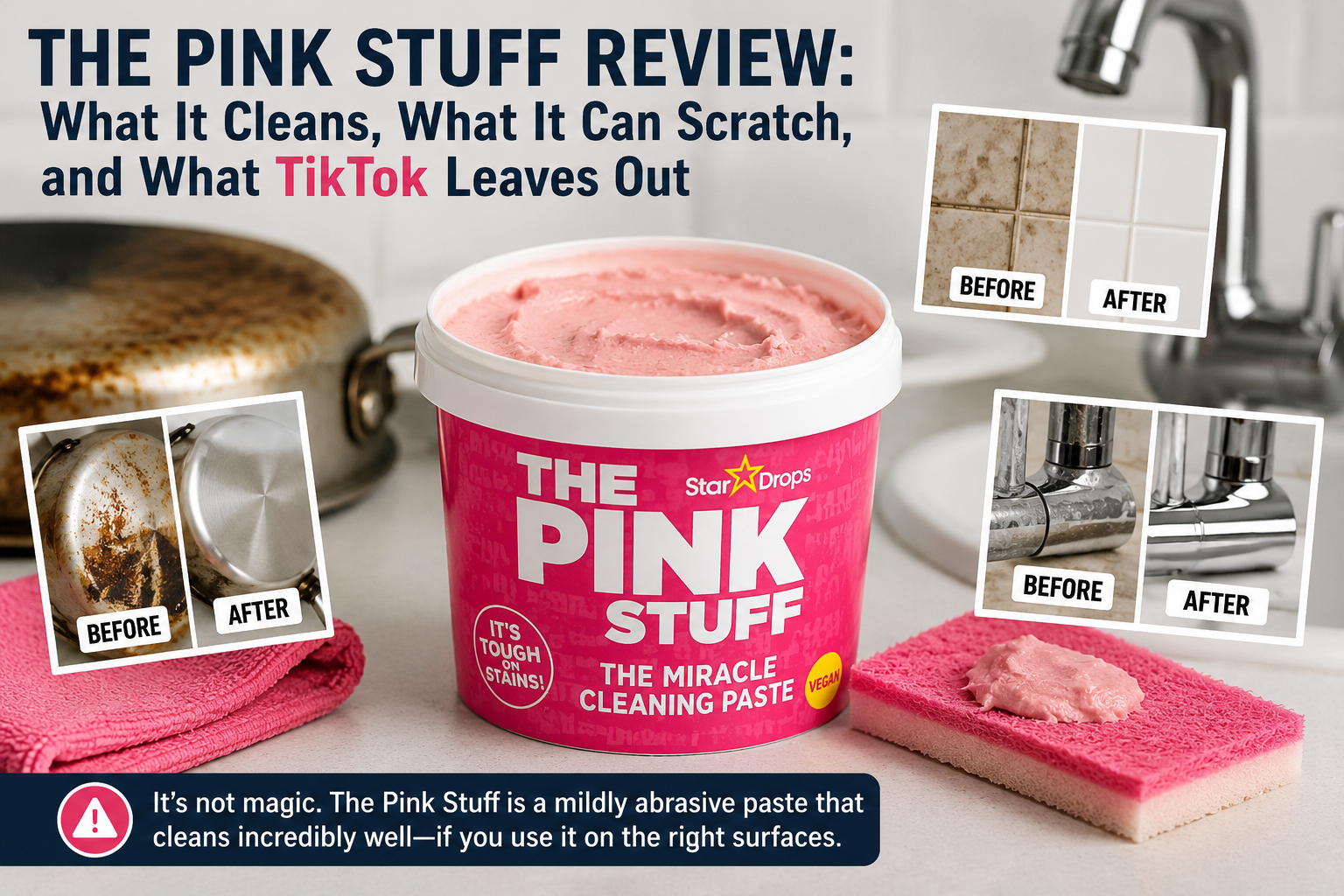
The Pink Stuff Review: What It Cleans, What It Can Scratch, and What TikTok Leaves Out
A practical look at The Pink Stuff Miracle Cleaning Paste and what viral videos do not show. Learn where it shines, where it risks damage, and better options for delicate surfaces.

review / product
Smart glasses buying checklist: what to actually watch for
Smart glasses are tempting, but don’t buy on novelty. This checklist walks through the practical features and tradeoffs to check before you spend.
review / product
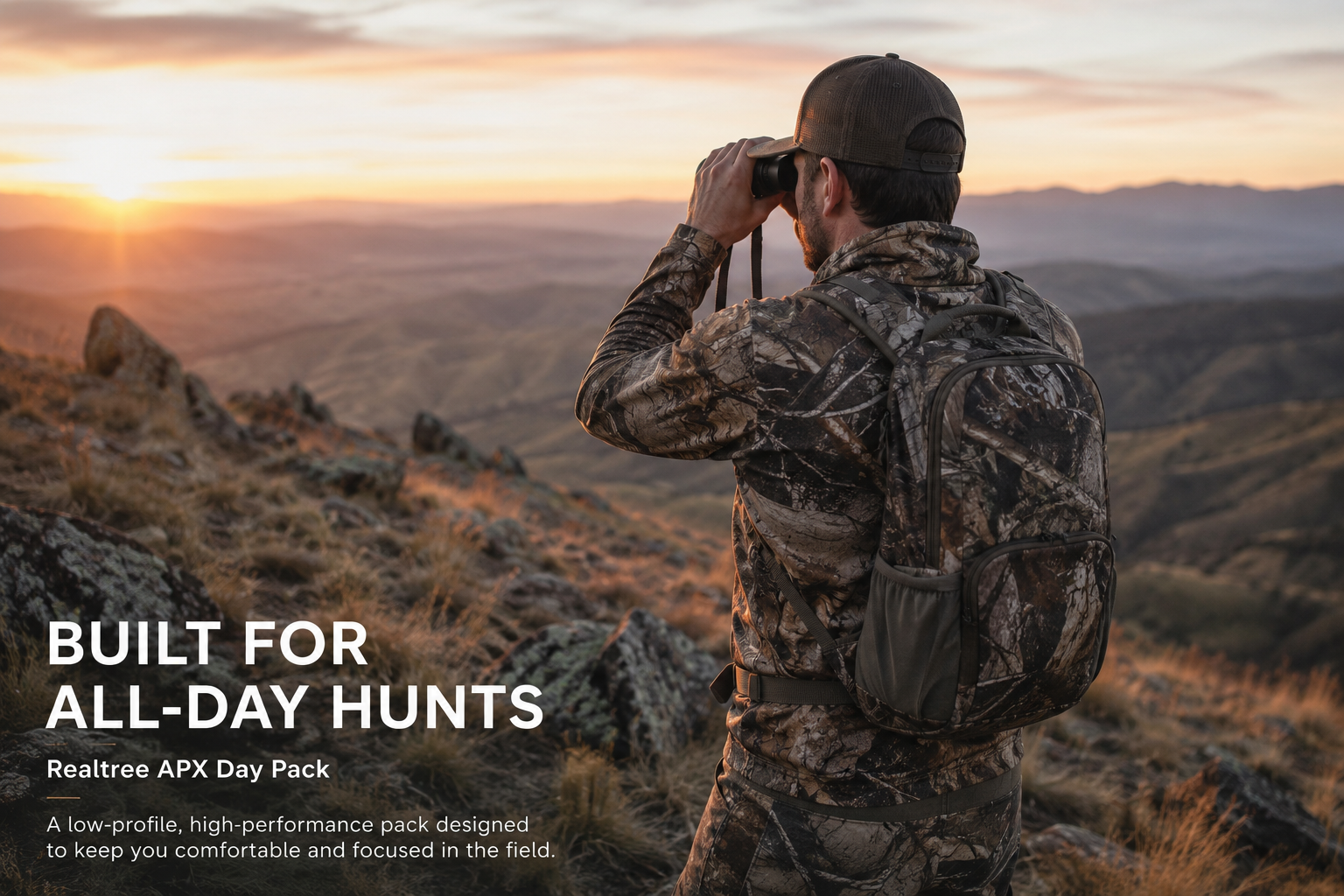
ALPS OutdoorZ Crossfire Pack (Realtree APX) Review: A Comfortable Day Pack for Hunters
A hands-on look at the Crossfire 23L hunting pack. Learn where it shines, who should buy it, and which hunters should look for bigger, tougher alternatives.
review / product
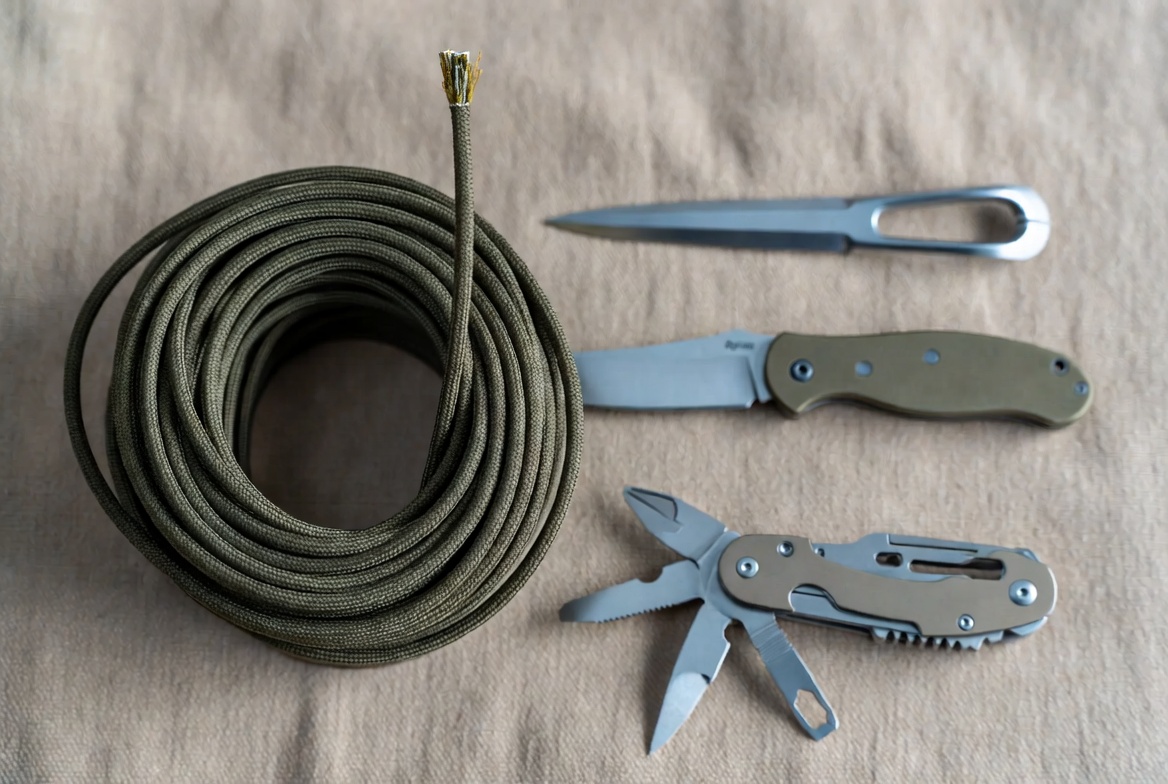
550 Paracord (Type III) Review: Practical Guide for EDC, Bushcraft, and Prep
A no-nonsense look at authentic Mil‑Spec 550 paracord in 2026: what it actually does well, where cheap knockoffs fail, and how to pick and use cordage that won’t let you down in the field.
review / product
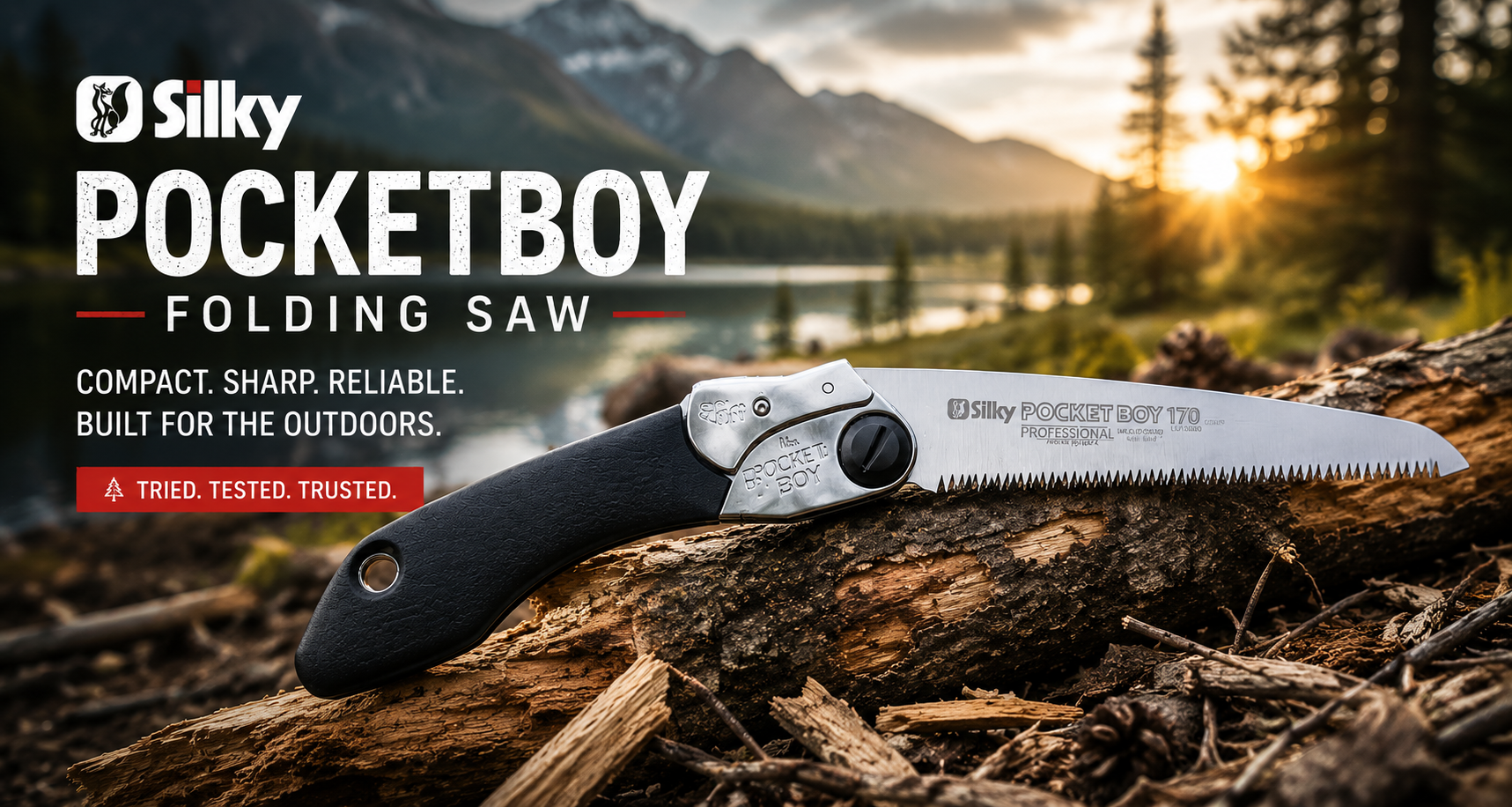
A Tried-and-True Camp Tool That Earns Its Spot in Your Pack
When it comes to camping gear, some tools look good online but disappoint in the field. The Silky PocketBoy Folding Saw is not one of those tools.
mistakes / buying_guide
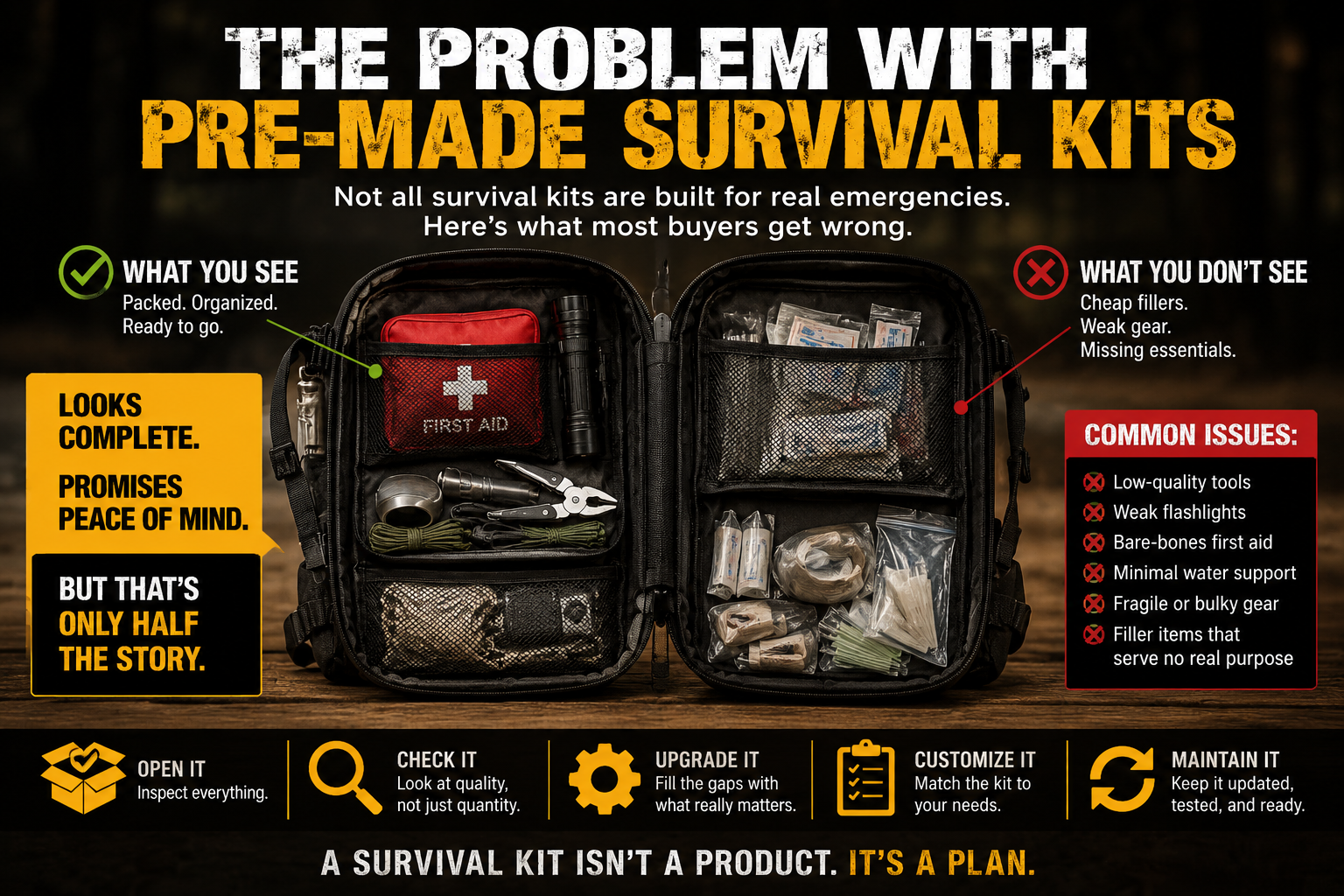
The Problem With Pre-Made Survival Kits
Pre-made survival kits can look like an easy fix for emergencies, but many prioritize shelf appeal over real usefulness. Learn what these kits miss, where they help, and how to vet one before you rely on it.