guide
How to Choose the Right Backpack for Any Occasion
The best backpack is not the one with the most pockets, the biggest capacity, or the trendiest brand name. It is the one that fits the job. School, work, travel, hiking, camping, hunting, and gym bags all solve different problems.
Hunting Packs / product
Published: May 20, 2026 / Updated: Jun 2, 2026
Prices, availability, and product details can change. Check current details with the seller before buying.
Article
Overview
A backpack seems simple until you buy the wrong one.
Then your shoulders hurt, your laptop is swimming around with your lunch, your water bottle falls out every time you bend over, and your “weekend travel bag” somehow holds three shirts, one sock, and regret.
The right backpack is not always the biggest one. It is not always the most expensive one. And it is definitely not always the one with 47 mysterious little pockets.
The right backpack is the one that fits your actual life.
A college backpack needs to survive books, chargers, laptops, and maybe a banana that should have been removed last week. A travel backpack needs to open easily, fit overhead, and not make you look like you are summiting Everest in Terminal B. A hunting pack needs to stay quiet. A camping pack needs to carry real weight without turning your spine into a question mark. A gym backpack needs to keep sweaty shoes from declaring war on your clean clothes.
Start with the occasion, then worry about the brand.
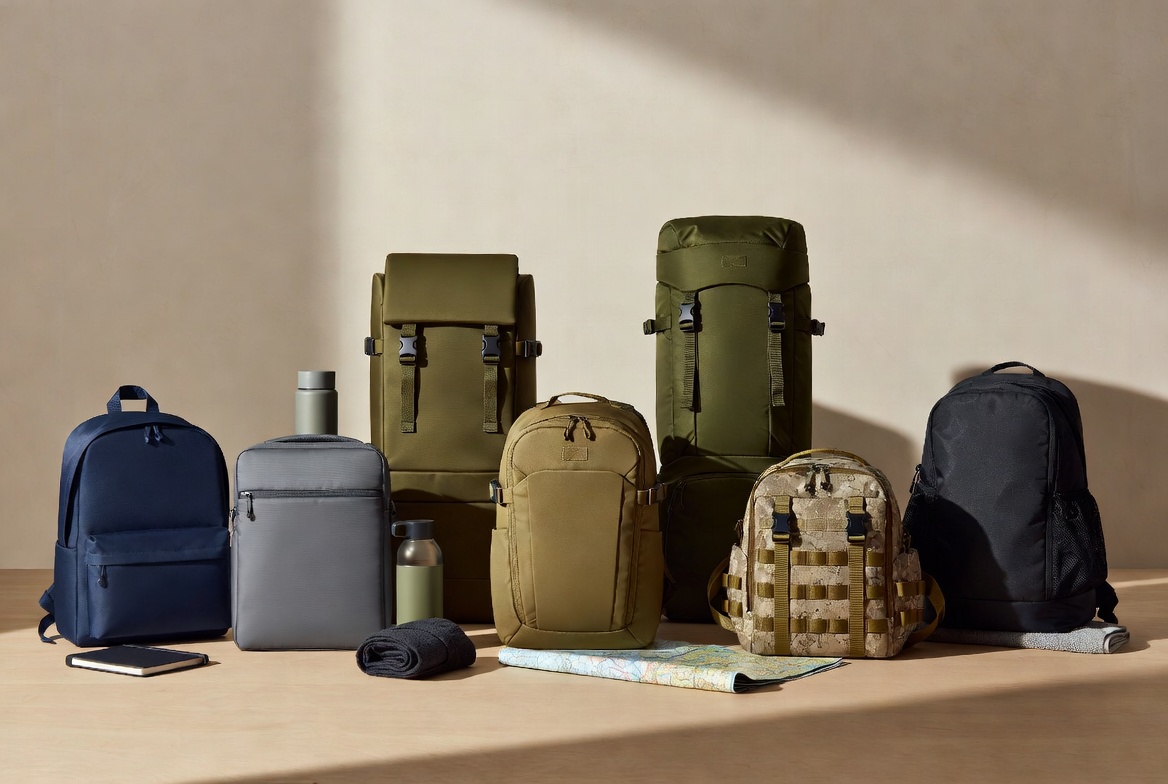
Start With the Job, Not the Brand
Before worrying about brands, colors, materials, or whether the backpack looks cool enough for an airport, ask one simple question:
What am I using this thing for most of the time?
That answer changes everything.
A college backpack needs to survive books, chargers, laptops, and maybe a banana that should have been removed last week. A travel backpack needs to open easily, fit overhead, and not make you look like you are summiting Everest in Terminal B. A hunting pack needs to stay quiet. A camping pack needs to carry real weight without turning your spine into a question mark. A gym backpack needs to keep sweaty shoes from declaring war on your clean clothes.
Every backpack has a personality. You just need one whose bad habits do not ruin your day.
The Everyday Backpack: Your Daily Workhorse
This is the backpack most people actually need.
It goes to school, work, coffee shops, errands, quick trips, and maybe a weekend away if you pack like a minimalist monk. The best everyday backpack is comfortable, durable, and organized without feeling like a mobile filing cabinet.
Look for enough room for your normal carry: laptop, charger, notebook, hoodie, water bottle, keys, snacks, sunglasses, and the random things that somehow live in every bag forever.
Popular everyday backpack brands include JanSport, The North Face, Herschel, Patagonia, Fjallraven, L.L.Bean, Osprey, Nike, Adidas, and Carhartt.
A good everyday backpack does not need to be fancy. It just needs to show up every day without broken zippers, sore shoulders, or a water bottle pocket that gives up at the first sign of movement.
The Work Backpack: Business on the Outside, Chaos Prevention on the Inside
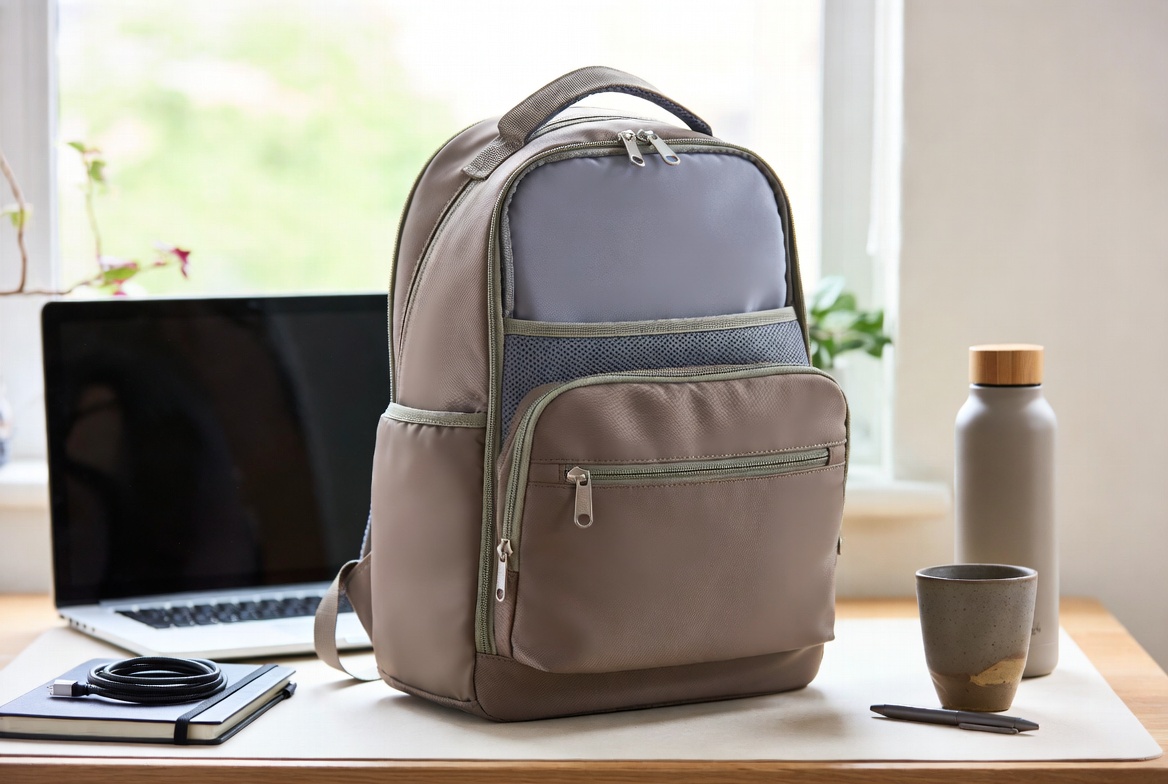
A work backpack should do two things well: protect your tech and not look like you borrowed it from a middle school lost-and-found.
The best work backpacks have a padded laptop area, a few clean organizer pockets, room for documents, and enough structure that your lunch does not crush your headphones.
This is where brands like Timbuk2, Bellroy, Aer, Thule, Samsonite, Tumi, Peak Design, Nomatic, and Troubadour often show up.
The trick is balance. Some work bags look sleek but hold almost nothing. Others have so many compartments that finding your charger feels like solving an escape room.
A good work backpack should look professional, carry comfortably, and keep your laptop, charger, notebook, keys, and daily essentials from becoming one expensive junk drawer.
The Travel Backpack: For People Who Hate Rolling Luggage
A good travel backpack should make movement easier, not turn every airport walk into a shoulder workout.
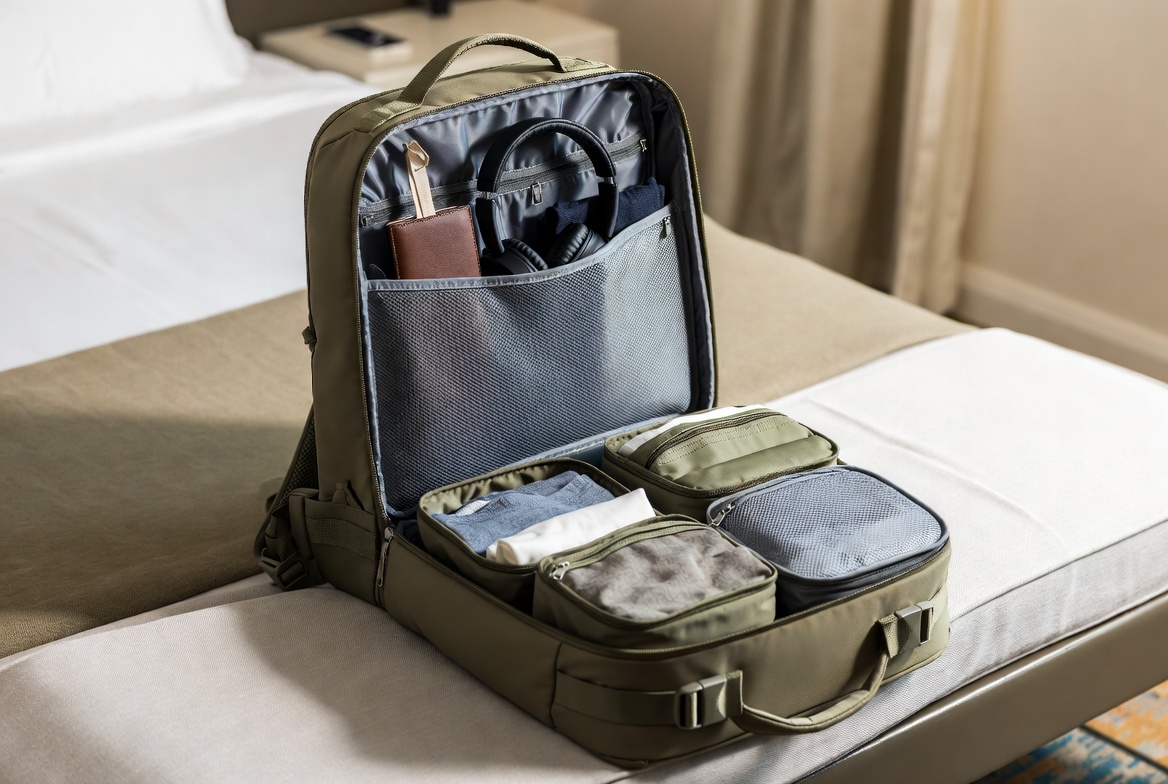
Travel backpacks are built for airports, train stations, road trips, hotel check-ins, and overhead bins. The best ones usually open more like a suitcase than a school bag, which matters when you are trying to find one clean shirt without dumping your entire life onto the hotel bed.
Popular travel backpack brands include Osprey, Cotopaxi, Patagonia, Tortuga, Peak Design, Nomatic, Thule, Eagle Creek, and CabinZero.
The big warning: bigger is not always better. A huge travel backpack sounds useful until you are wearing it through an airport and clipping strangers every time you turn around.
A good travel backpack should be easy to pack, comfortable to carry, and small enough that it does not make boarding a plane feel like moving day.
The Hiking Backpack: Small Bag, Big Difference
A hiking backpack does not need to be enormous. For most day hikes, you just need room for water, snacks, a rain layer, first aid, keys, phone, and the emotional support trail mix.
The important part is comfort. A cheap backpack can feel fine at home and then become a shoulder torture device two miles into a trail.
Brands often seen in this space include Osprey, Gregory, Deuter, CamelBak, REI Co-op, Salomon, The North Face, and Patagonia.
Hydration compatibility is nice. Side bottle pockets are even nicer if you do not enjoy removing your backpack every time you want a drink.
A good hiking backpack should stay light, ride comfortably, and carry the basics without bouncing around like it is trying to escape.
The Camping Backpack: The One That Actually Carries the Weekend
Camping backpacks are where fit starts to matter a lot more.
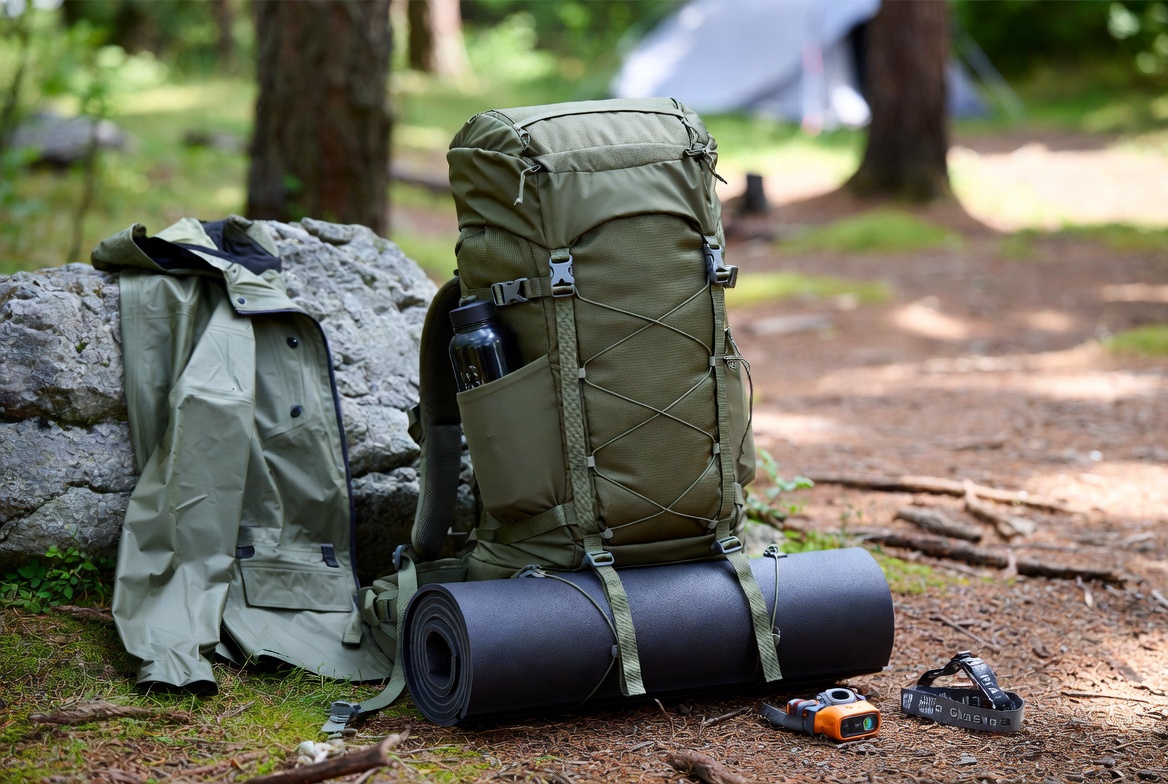
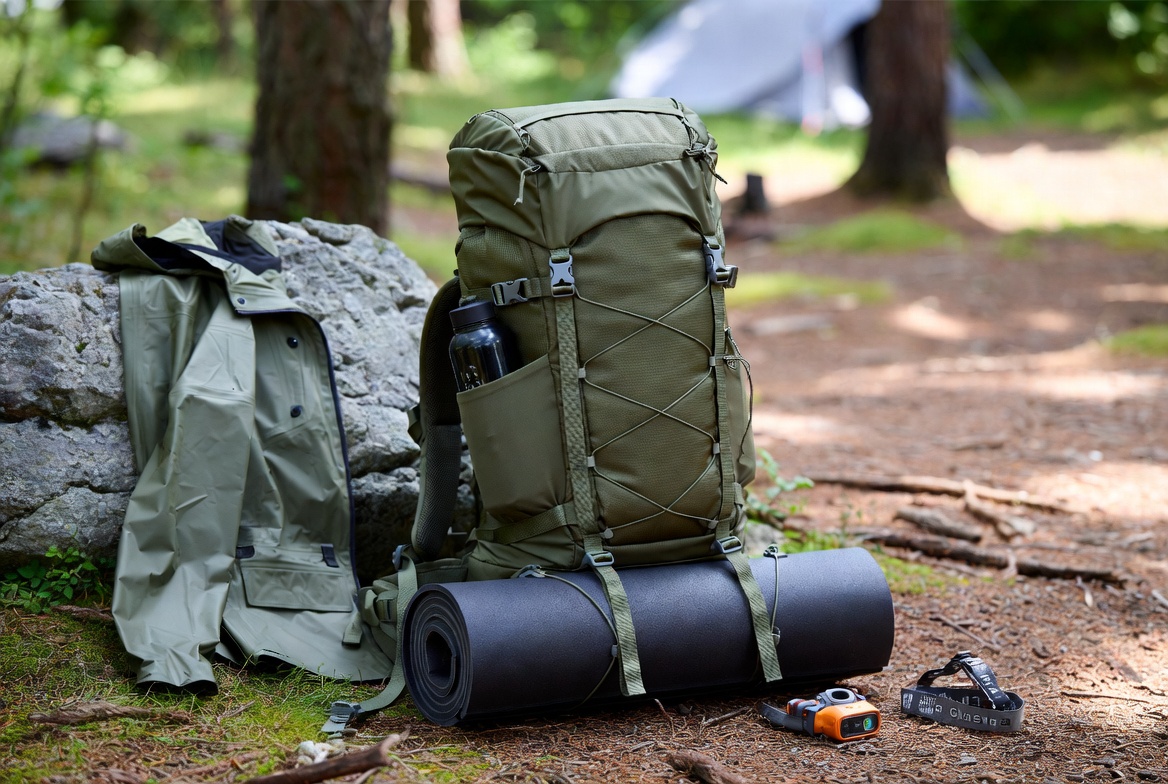
This is not just a bag. This is a mobile closet, pantry, shelter system, and questionable snack collection. A good camping pack carries your gear close to your body, puts weight on your hips, and does not make you deeply reconsider your hobbies by mile three.
For camping and backpacking, brands like Osprey, Gregory, Deuter, Kelty, REI Co-op, Mystery Ranch, Granite Gear, and Hyperlite Mountain Gear are common names.
This is also where trying the pack on matters. A backpack that fits your tall friend perfectly may fit you like a medieval punishment device.
A good camping backpack should carry bulky gear comfortably, keep weight balanced, and make the hike to camp feel possible instead of punishing.
The Hunting Backpack: Quiet Wins
A hunting backpack has a different job than almost every other pack.
It needs to carry gear, sure. But it also needs to be quiet. That means fewer crunchy fabrics, fewer dangling straps, fewer clanking zipper pulls, and fewer sounds that announce your arrival to every deer, turkey, squirrel, and rabbit in the county.
For deer and small game, most hunters do not need a giant expedition pack. A quiet day pack with room for layers, water, snacks, calls, gloves, a knife, tags, and field gear is usually enough.
Popular hunting pack brands include ALPS OutdoorZ, Badlands, Eberlestock, Mystery Ranch, Stone Glacier, Kifaru, Sitka, Tenzing, and Allen.
For bigger hunts or long walks out, meat-hauling support becomes a bigger deal. For casual small game, short sits, or treestand use, quiet access and low bulk may matter more.
A good hunting backpack should carry what you need without sounding like a plastic grocery bag in a windstorm.
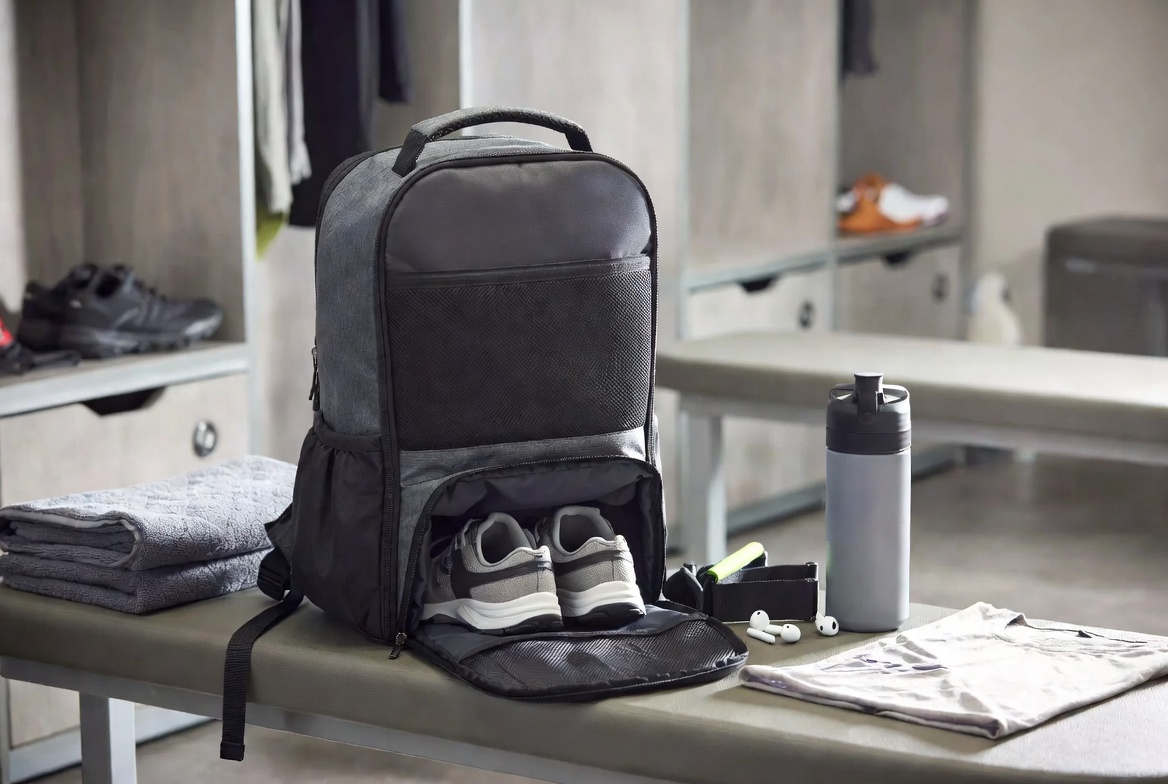
The Gym Backpack: Respect the Shoe Compartment
A gym backpack has one enemy: odor.
The right one gives sweaty clothes, shoes, towels, and bottles somewhere to go without turning the whole bag into a biohazard. A regular backpack can work, but only until your clean shirt shares a compartment with post-leg-day socks.
Common gym-friendly brands include Nike, Adidas, Under Armour, Lululemon, King Kong, Vooray, and The North Face.
Look for easy-clean materials, ventilation, and some way to separate shoes or wet gear. Bonus points if the water bottle pocket can handle a shaker bottle without launching it across the parking lot.
A good gym backpack should keep clean gear clean, dirty gear contained, and your car from smelling like a locker room with commitment issues.
The Tactical Backpack: Built Like It Expects Trouble
Tactical backpacks are the dramatic cousins of the backpack world.
They are rugged, structured, modular, and usually covered in attachment points that make them look ready for a mission, a storm, or at least a very intense trip to the hardware store.
These packs can be useful for emergency kits, rugged work gear, range bags, outdoor tools, or anyone who likes having every item locked into its own little survival bunker.
Brands often mentioned in this category include 5.11 Tactical, Maxpedition, Mystery Ranch, Eberlestock, Condor, Direct Action, and Vertx.
The downside is weight. A tactical pack can be tough as nails and still be annoying for everyday use. Not everyone needs a bag that looks ready to invade a warehouse.
A good tactical backpack should be durable, organized, and practical without making you carry three extra pounds of features you will never use.
The Specs Section: What Actually Matters
Specs are useful, but they should not make choosing a backpack feel like studying for a certification exam.
The big one is size. Small backpacks are great for kids, errands, and light daily carry. Medium backpacks work well for school, work, commuting, and day hikes. Larger backpacks are better for travel, camping, and carrying bulky gear.
Fit matters too. For small bags, padded shoulder straps may be enough. For bigger bags, look for a sternum strap, hip belt, and some kind of frame or structure. A heavy backpack should not hang off your shoulders like a punishment.
Materials also depend on the job. School and work bags need durability and water resistance. Travel bags need strong zippers and tough fabric. Hunting packs need quiet materials. Gym bags need easy-clean interiors. Camping packs need weather protection and load support.
The point is simple: do not buy specs just because they sound impressive. Buy the features that solve the problems your backpack will actually face.
Common Backpack Mistakes
The easiest way to buy the wrong backpack is to assume one bag can do everything perfectly.
A school backpack can handle a short hike. That does not mean it wants to carry camping gear. A travel backpack can work for daily use. That does not mean it will feel great in a crowded coffee shop. A tactical pack can be tough. That does not mean you need all that weight for carrying a laptop and a granola bar.
Another common mistake is buying too big. A giant backpack sounds practical until you fill it with things you do not need and spend the day wondering why your shoulders are mad at you.
Buying too small is just as bad. Tiny bags look clean until you need to carry a hoodie, charger, lunch, water bottle, notebook, and the rest of normal human life.
The other big mistake is chasing pockets. More pockets can help, but too many can turn your backpack into a scavenger hunt where your keys are technically “organized” but spiritually gone.
A good backpack should match your main use, fit comfortably, and make your day easier. If it creates new problems, it is the wrong bag.
Final Takeaway
The best backpack is not the most technical one, the most expensive one, or the one with the most dramatic product photos.
It is the one that matches your day.
Going to class? Get something comfortable and organized. Commuting? Protect the laptop. Traveling? Make sure it opens in a way that does not turn your hotel room into a laundry explosion. Hiking? Keep it light and comfortable. Camping? Prioritize fit and support. Hunting? Keep it quiet. Going to the gym? Respect the shoe compartment.
A backpack is supposed to make carrying things easier. If it makes your day harder, it is the wrong backpack.
Start with the occasion, choose the features that actually matter, and ignore the rest of the noise.
More BuyerProbe Reads
Keep Reading
hindsight / product
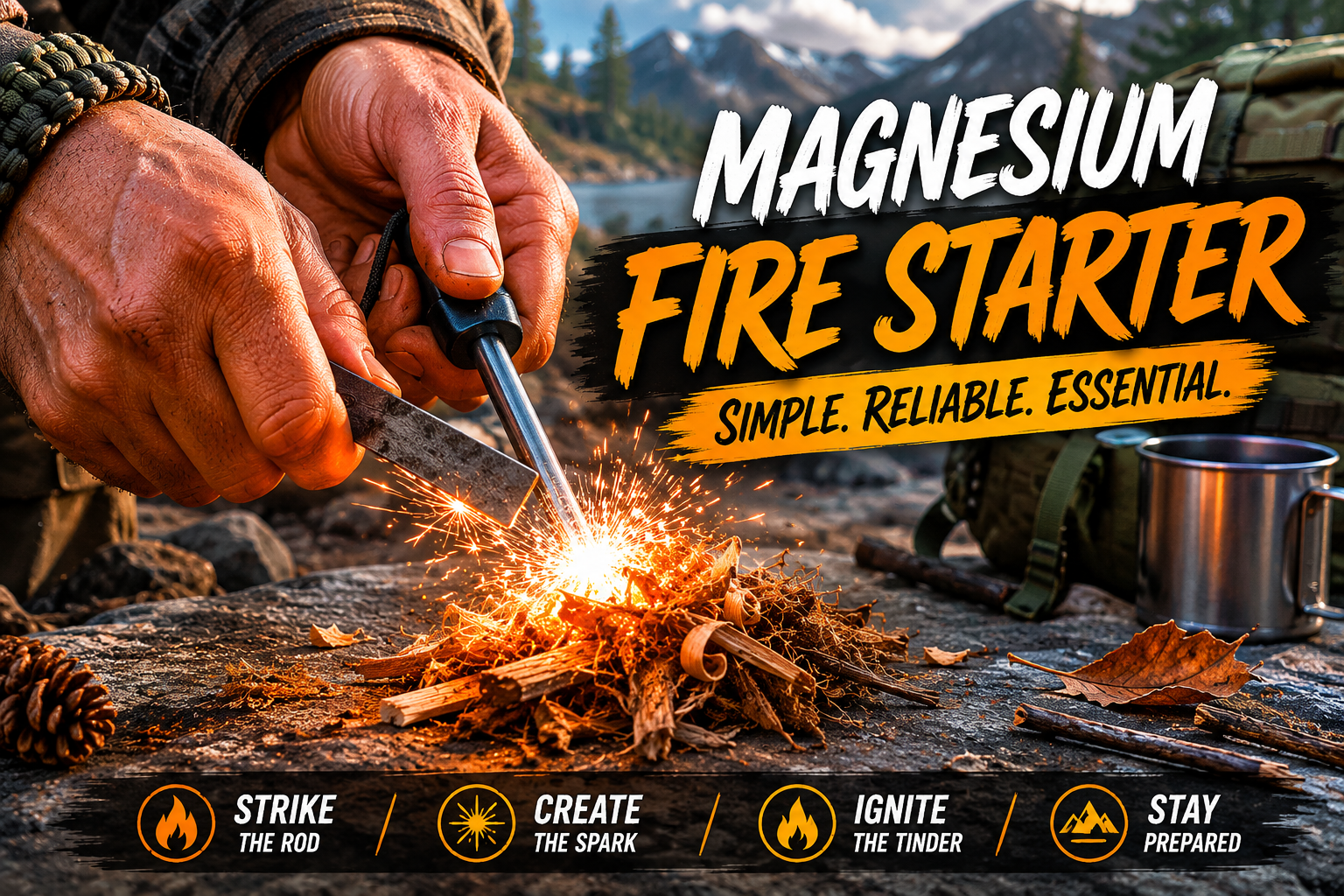
Hindsight: Why a Magnesium Fire Rod Belongs in Every Pack
A wet night on the Appalachian Trail showed one hiker how fast a lighter failure becomes a survival problem. Learn why a magnesium rod is a simple, reliable backup and what to watch for.
comparison / product
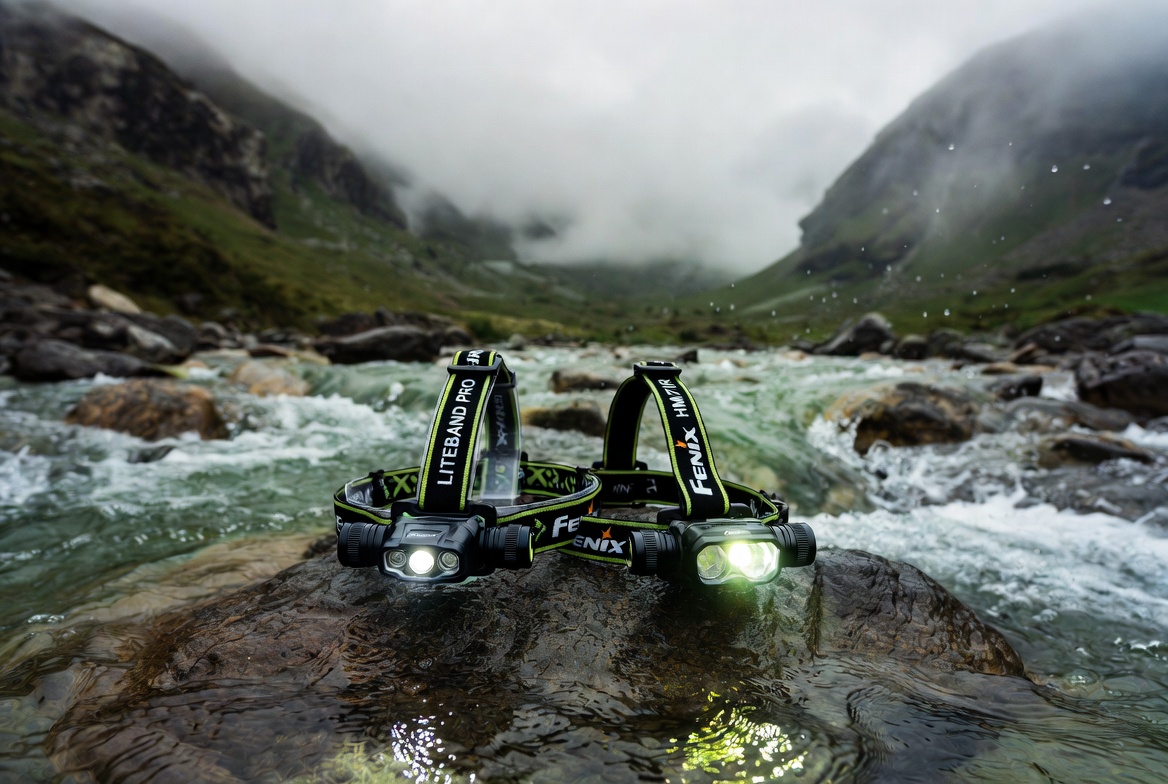
LITEBAND PRO vs Fenix HM71R: Which Rechargeable Headlamp Fits Your Work and Outdoors Needs?
A straight-up comparison of the LITEBAND PRO and the Fenix HM71R covering brightness, beam control, runtime, fit, and durability so you can pick the right headlamp for your tasks.
comparison / product
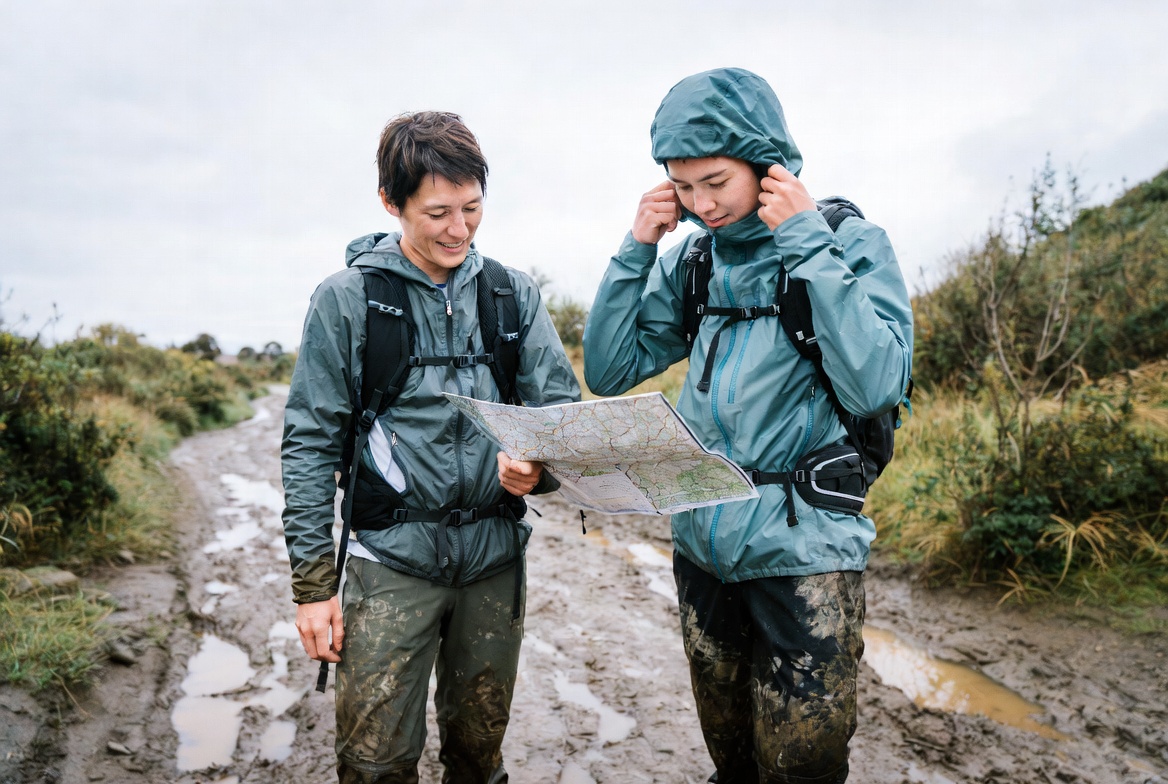
Patagonia Torrentshell 3L vs. Arc'teryx Beta SL: Which Rain Jacket Is Best for You in 2026?
A head-to-head comparison of two leading 3-layer rain shells that helps you match performance, weight, and price to your needs—commuting, hiking, or alpine missions.
review / product
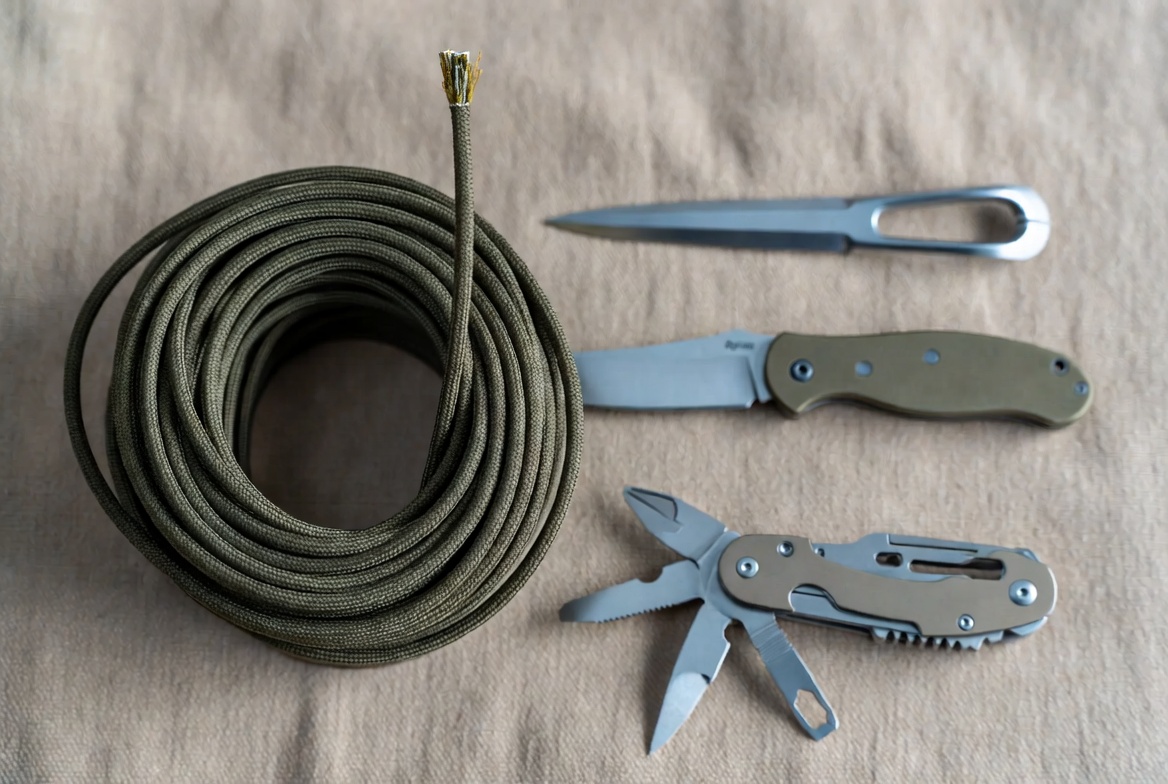
550 Paracord (Type III) Review: Practical Guide for EDC, Bushcraft, and Prep
A no-nonsense look at authentic Mil‑Spec 550 paracord in 2026: what it actually does well, where cheap knockoffs fail, and how to pick and use cordage that won’t let you down in the field.
comparison / product
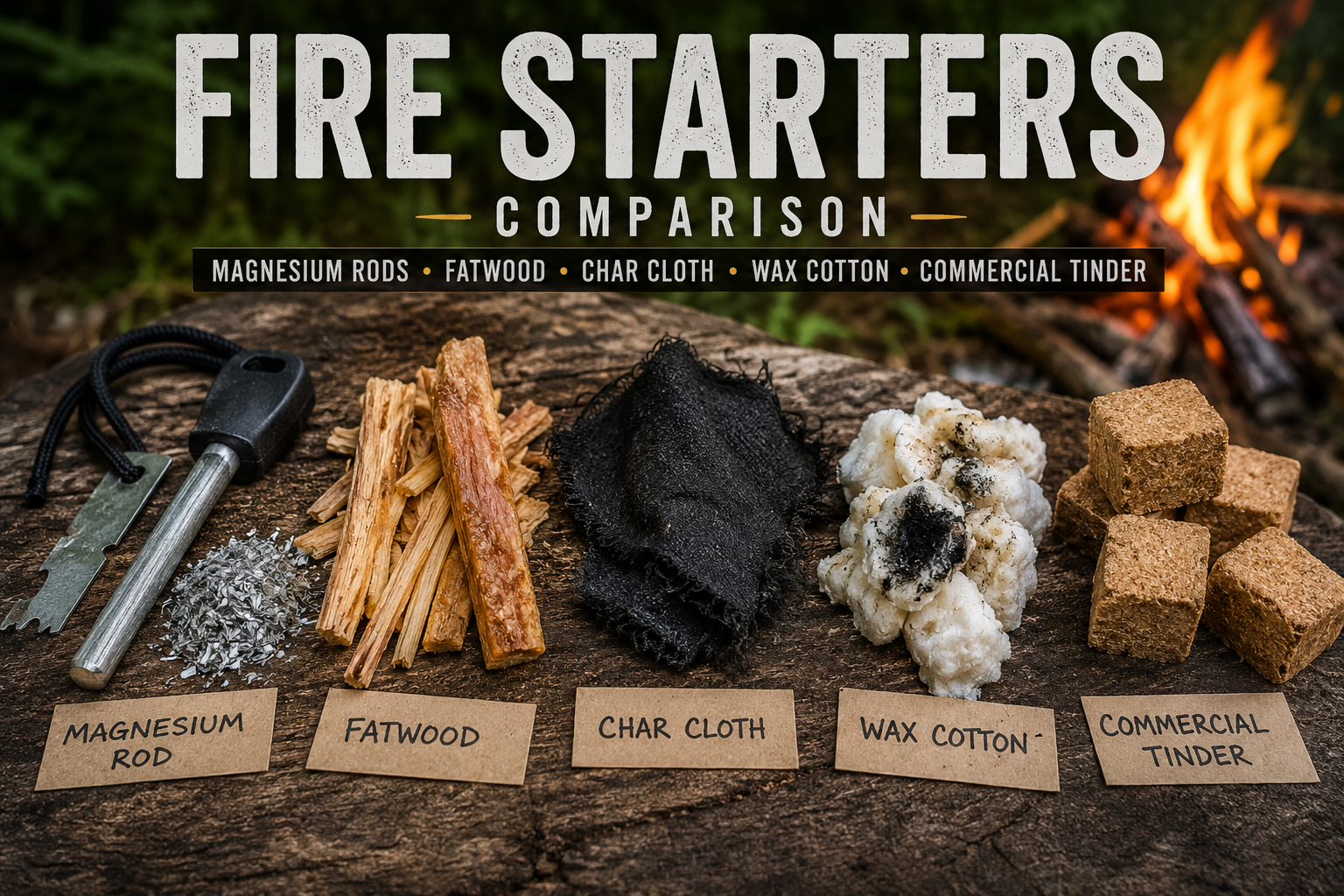
Best Fire Starters Compared: Magnesium Rods, Fatwood, Char Cloth, Wax Cotton, and Store-Bought Tinder
Fire starters all promise easy flames, but they do not behave the same in wet weather, cold hands, or real camp conditions. Here is a practical comparison of magnesium rods, fatwood, char cloth, waxed cotton, rotted-stump charcoal, and commercial tinder.
review / buying_guide
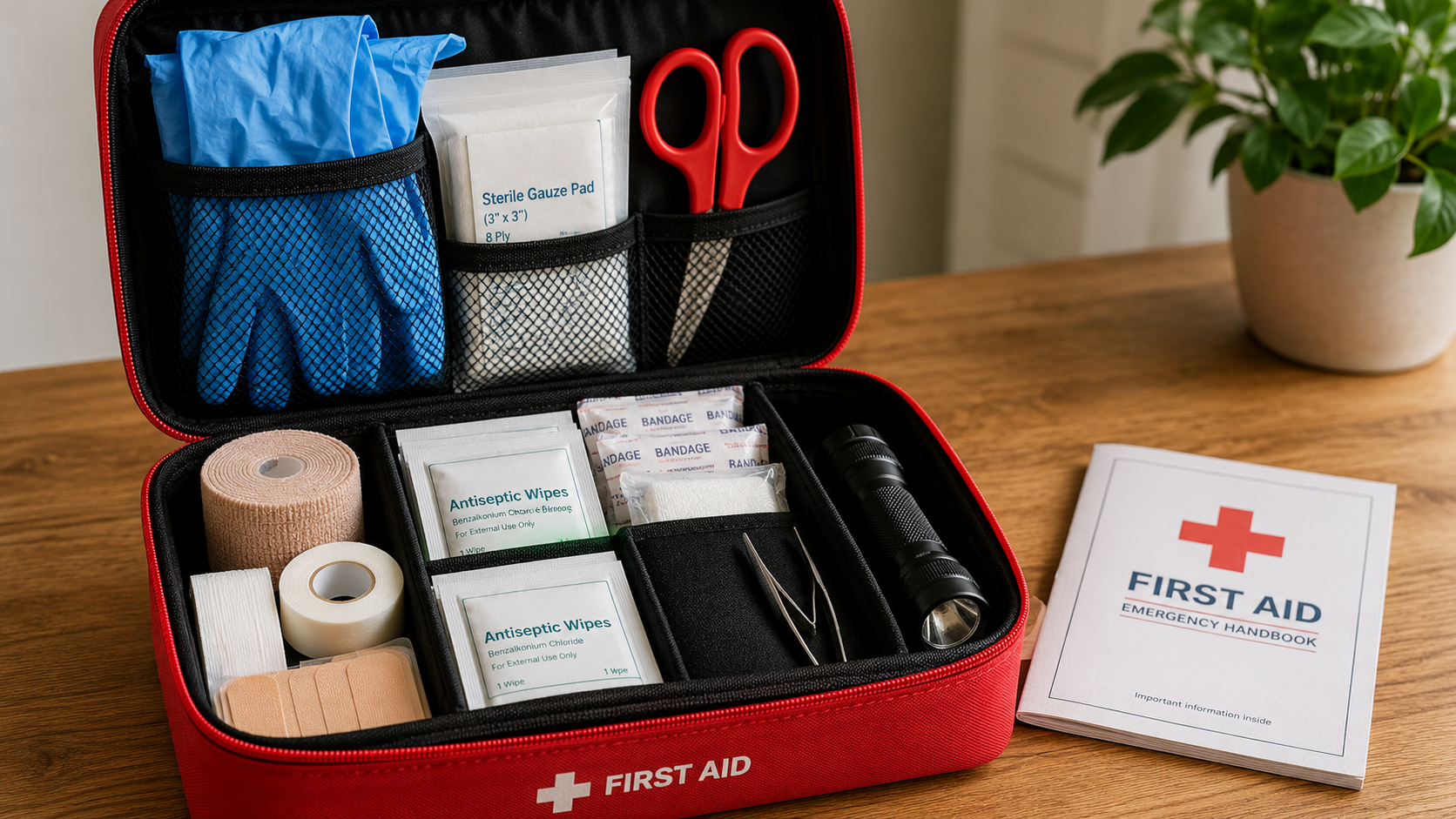
First Aid Kit Checklist: What I’d Want in One Before I Trust It
A first aid kit is one of those things people buy, toss in a drawer, and forget about, until the day they actually need it. Here’s what I’d check before trusting one for the house, truck, range bag, camping kit, or bug-out setup.
review / product
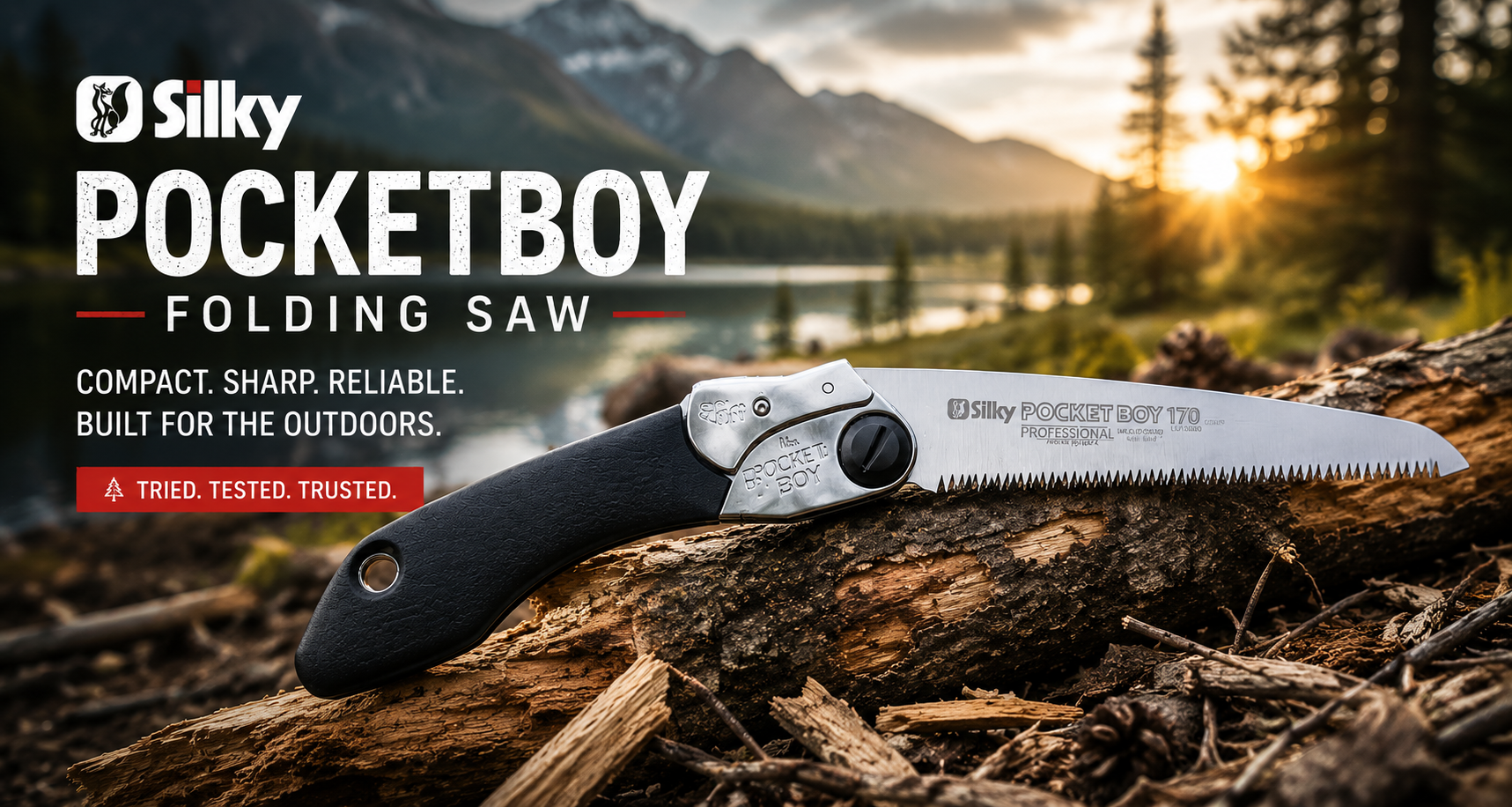
A Tried-and-True Camp Tool That Earns Its Spot in Your Pack
When it comes to camping gear, some tools look good online but disappoint in the field. The Silky PocketBoy Folding Saw is not one of those tools.
twenty_twenty_hindsight / product
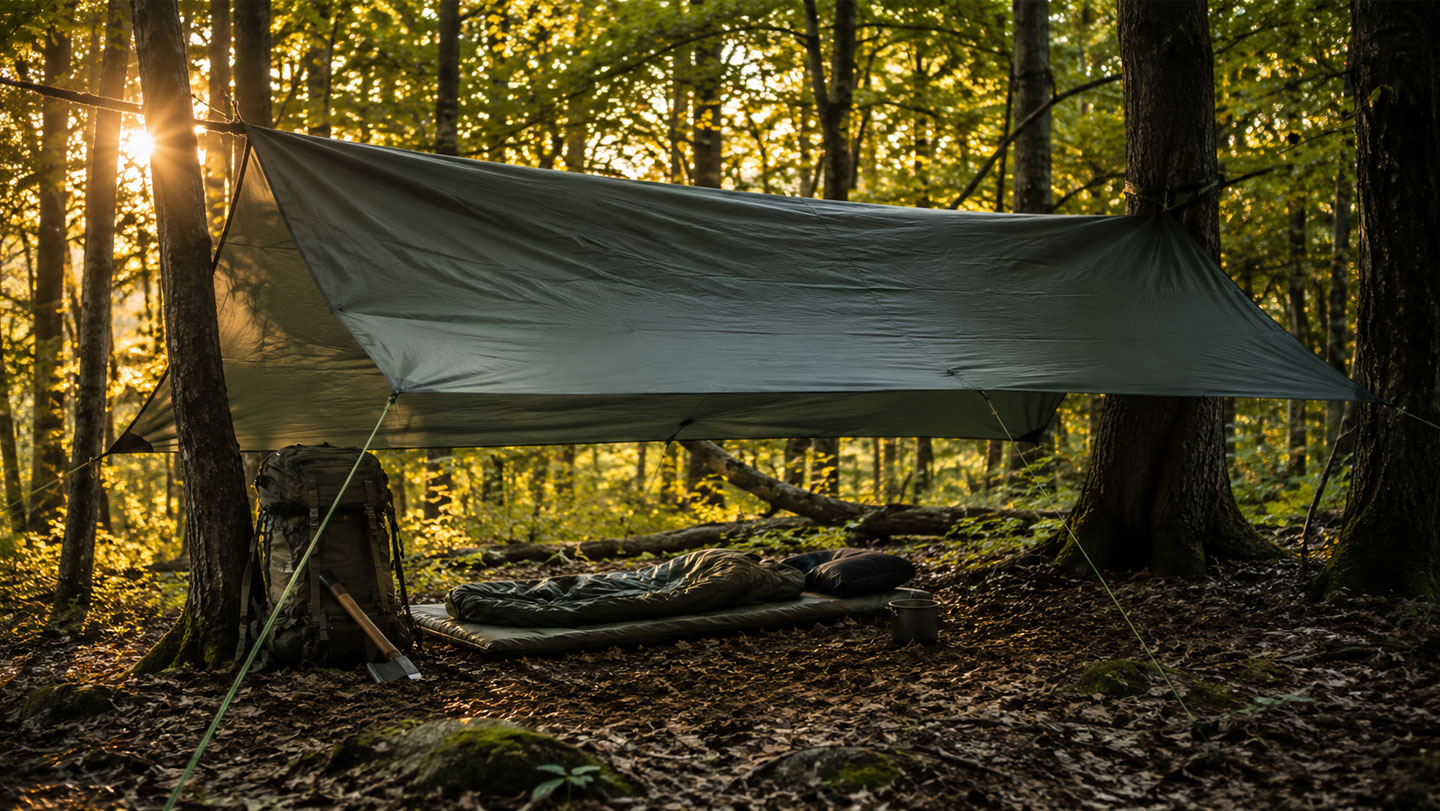
Tarps for Camping and Bushcraft: What I’d Check Before Buying One
A tarp looks simple until you actually need it in the woods. Size, tie-outs, fabric, noise, packed weight, and setup options all matter more than the product photos make it seem.