comparison
LITEBAND PRO vs Fenix HM71R: Which Rechargeable Headlamp Fits Your Work and Outdoors Needs?
A straight-up comparison of the LITEBAND PRO and the Fenix HM71R covering brightness, beam control, runtime, fit, and durability so you can pick the right headlamp for your tasks.
Headlamps / product
Published: May 28, 2026 / Updated: Jun 2, 2026
Prices, availability, and product details can change. Check current details with the seller before buying.
Article
Overview
Headlamps are one of those tools where a single spec—lumens or runtime—won’t tell the whole story. In real-world use you need to consider beam shape, fit, mounting options, and whether the lamp behaves when you’re on the move or working with a hard hat.
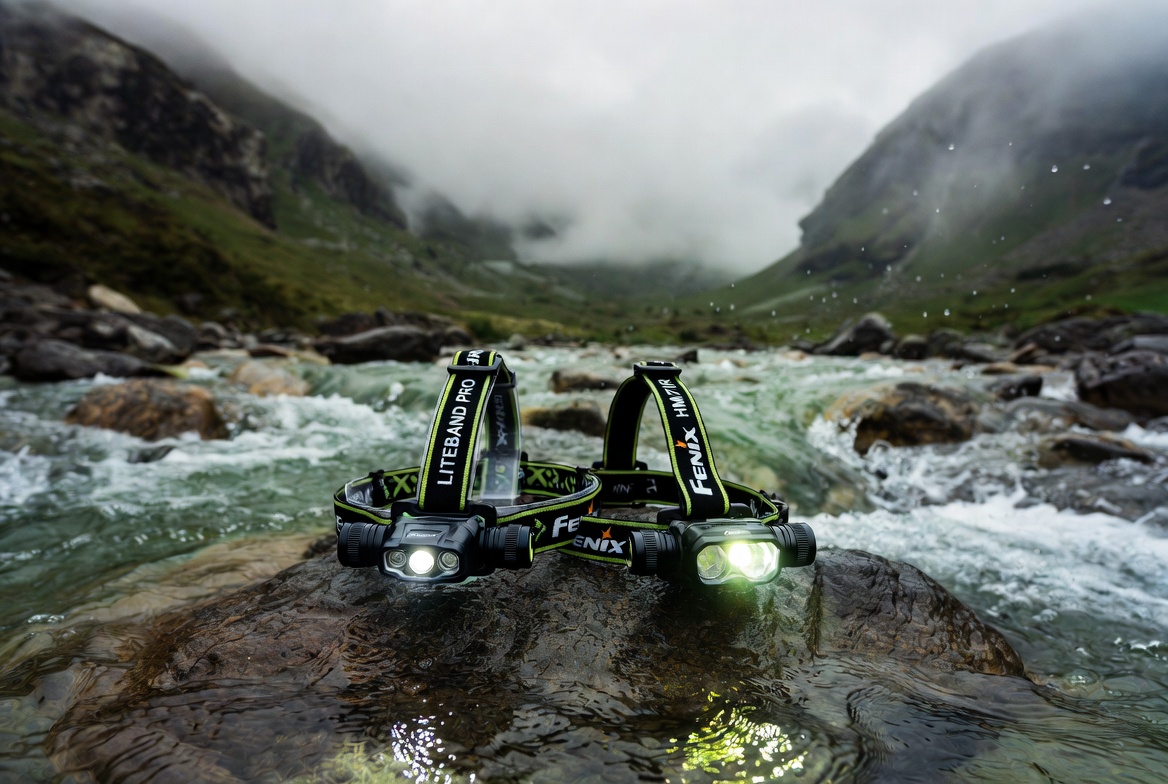
For this comparison we’re focusing on two rechargeable models you’ll see often: the LITEBAND PRO, a multi-beam unit with a very wide 210° flood plus a focused spot, and the Fenix HM71R, a high-output, right-angle headlamp with a reputation for industrial-grade build quality. Specs matter, but so do the tradeoffs each lamp forces you to accept.
BuyerProbe’s angle is practical: which one solves day-to-day problems for specific users—runners, campers, tradespeople, or search teams—rather than which one wins on a single headline number. Below we walk through the key features that affect real-world performance and give a clear recommendation for different use cases.
This article sticks to observable differences and documented specs, plus common user feedback, to highlight strengths and limitations you should weigh before buying.
Performance: How the LITEBAND PRO and Fenix HM71R Shine in Real Use
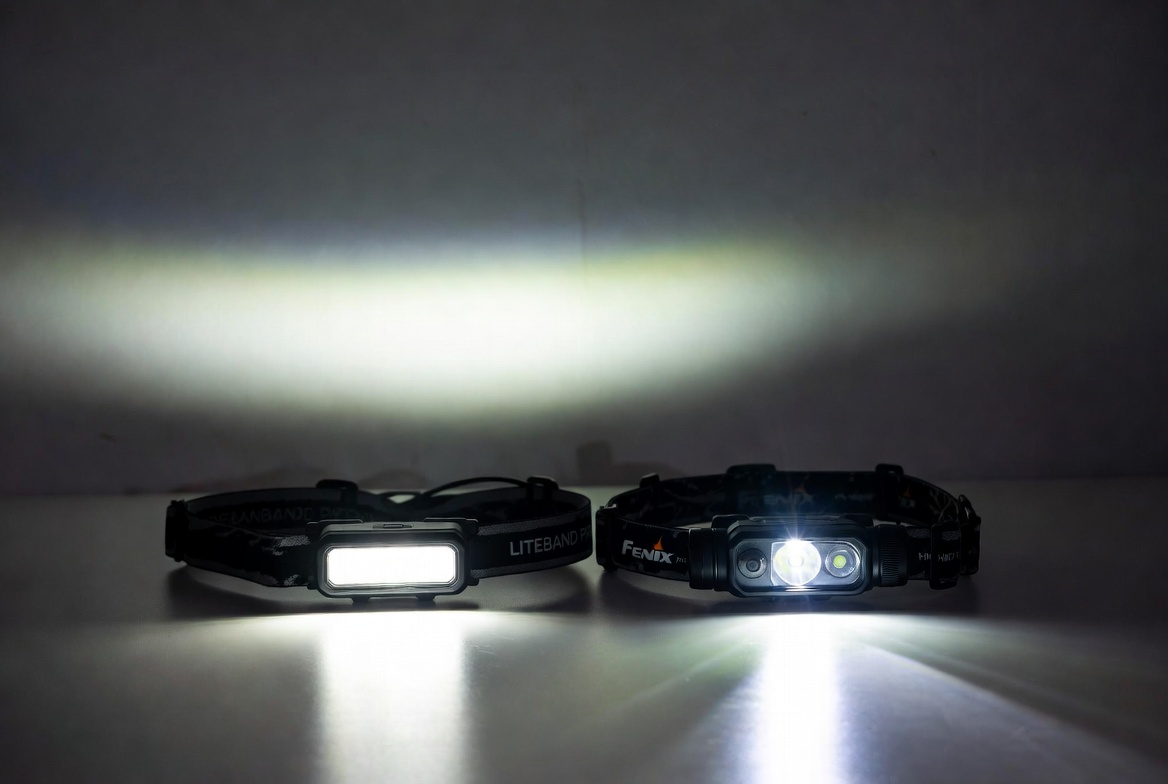
Both the LITEBAND PRO and the Fenix HM71R deliver bright, usable light, but they approach performance differently. The LITEBAND PRO favors broad flood illumination and comfort for long-wear tasks, think close-up work, reading maps, or campsite chores, with even beam distribution that reduces hotspots and eye fatigue. Expect dependable near-field visibility and user-friendly controls that keep you from fiddling in the dark.
The Fenix HM71R is the more tactical, long-reach option: tighter hotspot with a stronger throw for trail running, route-finding, and signaling at distance. It also tends to offer higher peak output modes for short bursts, which is useful when you need to see further ahead quickly. Where the LITEBAND PRO keeps you comfortable during prolonged low-to-moderate output use, the HM71R is built to prioritize intensity and range.
Thermal and runtime behavior is the important tradeoff: the HM71R’s higher output options generate more heat and drain the battery faster, so you'll switch to lower modes sooner on extended outings. The LITEBAND PRO runs cooler and more efficiently in practical day-to-day scenarios, making it the better pick for multi-hour tasks without swapping batteries or bags.
Practical guidance: choose the LITEBAND PRO if your typical use is hands-on work within 10–20 meters and you want steady, comfortable light for long stretches. Pick the Fenix HM71R if you need range, higher peak output, or a headlamp that doubles as a short-term searchlight, but plan around shorter runtimes and increased heat on high modes.
Specs at a Glance — Practical differences that matter
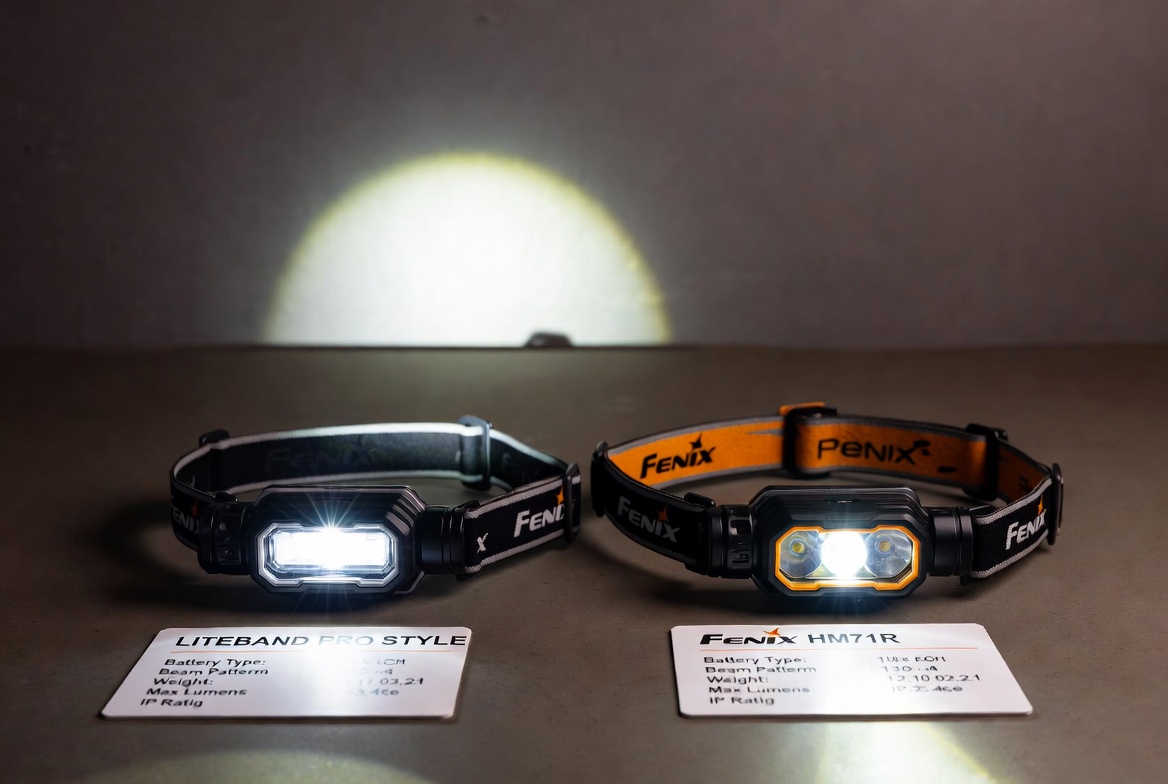
Below are the core specifications you’ll want to compare when choosing between the LITEBAND PRO and the Fenix HM71R. I’m focusing on real-world implications: battery type and runtime affect how long you can rely on the lamp during a work shift or a multi-hour outing; beam type and max output determine whether the lamp is better for close-up tasks or long-range visibility; weight and attachment options affect comfort and stability when you’re moving or bending. Don’t get lost in peak-lumen marketing — look at usable modes and runtime with the brightness you actually need.
Common tradeoffs: higher maximum lumens give longer throw but usually shorten runtime and increase heat; integrated rechargeable packs simplify charging but can limit field-replaceable options. If you need hot-swap capability for extended remote trips, a headlamp that accepts standard batteries (or offers a removable pack) may be preferable to a sealed integrated battery.
Use case guidance: for tradespeople who work overhead or in gritty environments prioritize durable mounts, stable straps, and easy-to-access controls. For hikers and search tasks prioritize beam distance and run-time at medium output. If weight and low-profile fit are critical (helmet compatibility, long wear), choose the lighter unit even if it costs a bit in output.
Warning: specs alone don’t tell the whole story — look for documented runtime at practical output levels, ingress protection (IP) ratings for wet and dusty conditions, and whether the manufacturer lists thermal regulation or step-down behavior that affects sustained brightness.
Where both headlamps shine
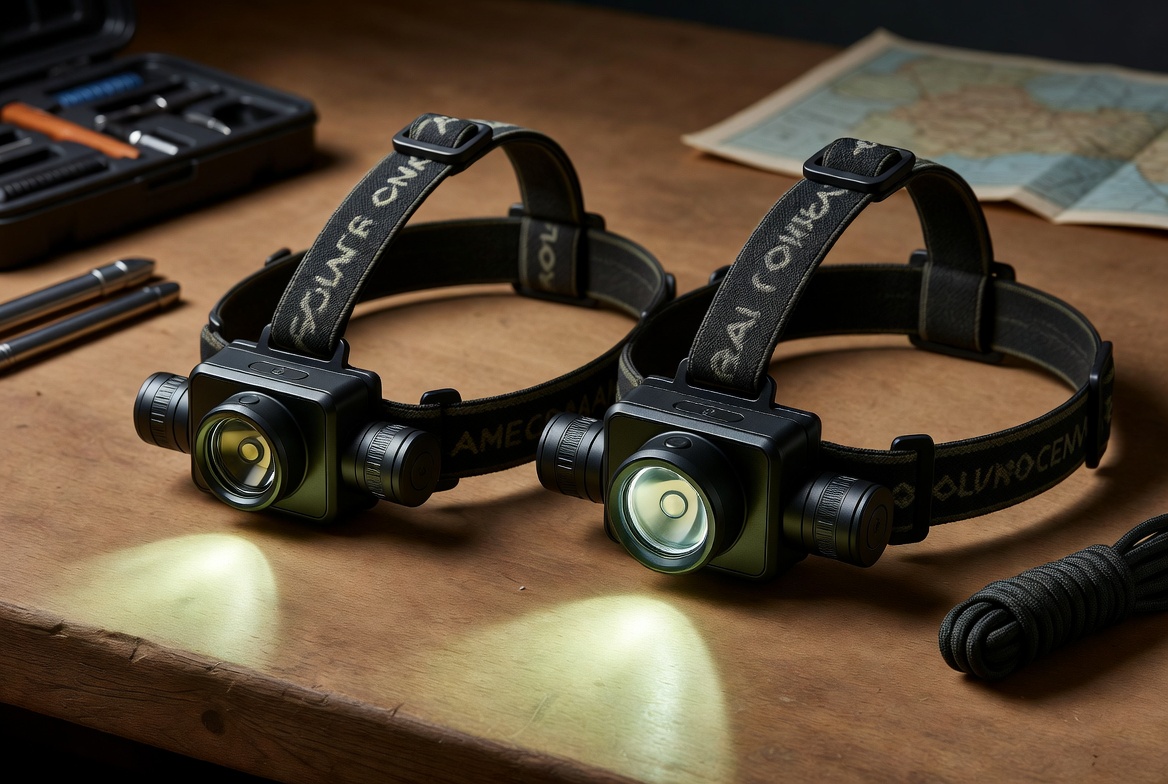
Both the LITEBAND PRO and the Fenix HM71R excel at the core job: hands-free, rechargeable lighting you can rely on across work and outdoor tasks. Each offers bright, adjustable beams that cover close-up detail work and longer throw when you need to spot trail markers or site hazards. If your priority is straightforward, rechargeable illumination without fiddly batteries, either unit will deliver.
They also share practical advantages for daily use. Both units are compact enough to carry in a pack or tool bag, have user-friendly controls for switching modes, and include useful beam shaping (flood and spot) so you can move quickly between tasks without swapping lamps. For people who want a single lamp that handles camping, chores, and quick repairs, both are sensible choices.
Durability and weather resistance are another common win: both models are built to tolerate bumps, light rain, and the rough handling typical of job sites or backcountry use. That makes them suitable as a go-to headlamp for mixed use rather than a lamp you reserve only for one activity.
Trade-off: while both are solid all-rounders, neither is a specialist. If you need extreme runtime for multi-day remote missions or ultra-lightweight minimalism for fastpack runs, you’ll sacrifice some performance relative to dedicated alternatives.
Where Both Headlamps Come Up Short
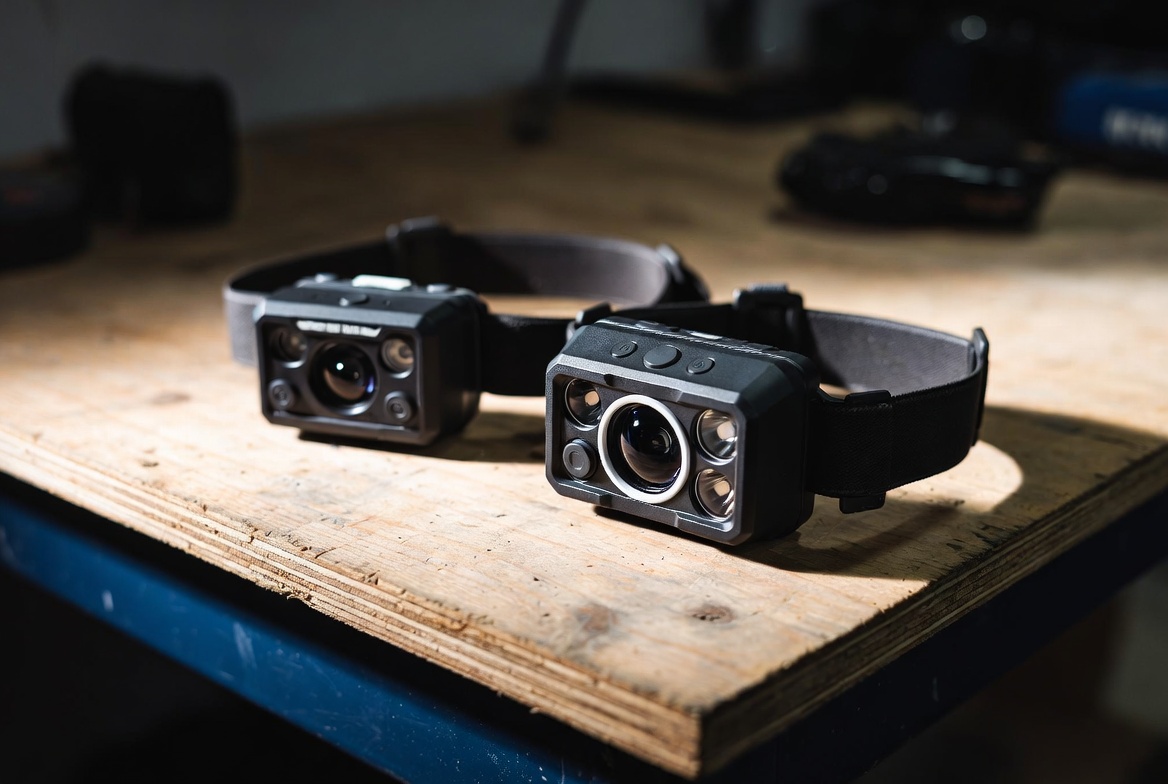
Neither the LITEBAND PRO nor the Fenix HM71R is perfect — both miss the mark in a few practical areas buyers should know. First, neither light is ideal for long-duration continuous use without access to power. Their rechargeable batteries are convenient for daily tasks and short trips, but for multi-day backcountry trips where recharging is uncertain, neither offers the runtime or easy hot-swap battery system that some dedicated expedition lights provide.
Second, both headlamps have compromises in user interface during gloved or wet conditions. Buttons can be stiff or difficult to locate by feel alone, and mode cycling can be awkward when you need to switch quickly in cold weather. If you frequently need rapid strobe or red-light access while wearing thick gloves, expect a learning curve and some fumbling.
Third, neither model is optimized for heavy-duty industrial use. While durable, their build and water resistance are tuned more toward outdoor recreation than constant drop, crush, or oil exposure found on worksites. If your daily routine involves harsh industrial environments, a lamp designed specifically for trades with reinforced housings and easier serviceability is a safer bet.
As a tradeoff: you get compact, rechargeable convenience at the cost of extreme runtime, bare-glove usability, and true industrial toughness. If those are critical for your work or trips, consider alternatives with removable batteries, simplified button layouts, or explicitly trade-rated housings.
Key takeaways — choosing between the LITEBAND PRO and Fenix HM71R
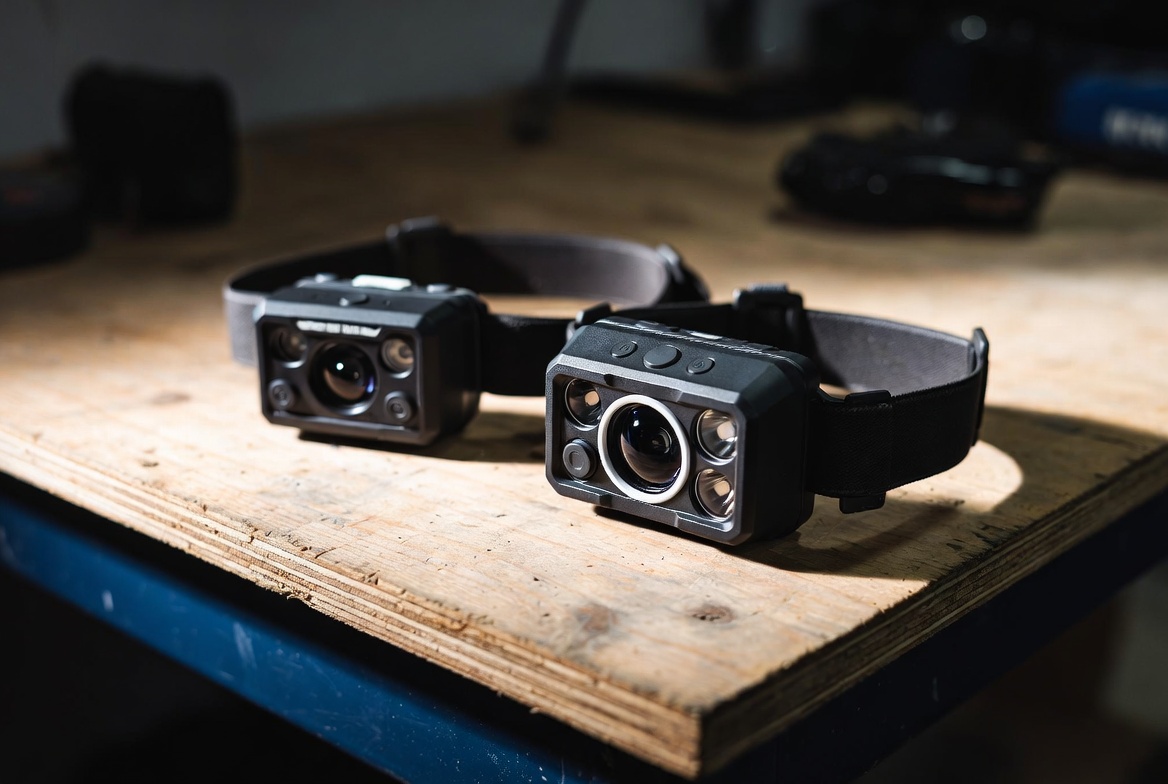
Both the LITEBAND PRO and the Fenix HM71R are strong rechargeable headlamp choices, but they target slightly different priorities. LITEBAND PRO leans toward comfort, balanced beam coverage, and value for users who wear a lamp for long periods or need a forgiving beam for close-to-mid work. The HM71R focuses on compact power, tighter long-throw performance, and rugged construction for technical outdoor use.
Pick the LITEBAND PRO if you spend long shifts on your feet, work in close quarters, or prefer a softer, more even beam that reduces hotspots and neck strain. It’s the better everyday work lamp and is easier to wear under helmets for extended periods. Expect very good runtime for routine tasks but less emphasis on raw distance.
Choose the Fenix HM71R if your use requires brighter peak output, longer throw for trail work or search tasks, or a smaller profile that packs into minimalist kits. It’s a better fit for hikers, runners, and anyone who needs a compact lamp that can punch farther downrange—tradeoffs include a firmer beam and a tighter fit that some users find less comfortable for all-day wear.
Practical tradeoff: comfort and even illumination (LITEBAND PRO) vs compactness and throw (HM71R). Warning: if you prioritize helmet comfort or spend many hours wearing the lamp, don’t pick the HM71R without trying the fit first. For mixed use—work and weekend hikes—think about which trait you value more; either lamp can serve both roles, but neither is perfectly optimized for every scenario.
BuyerProbe Take: Which one suits your needs?
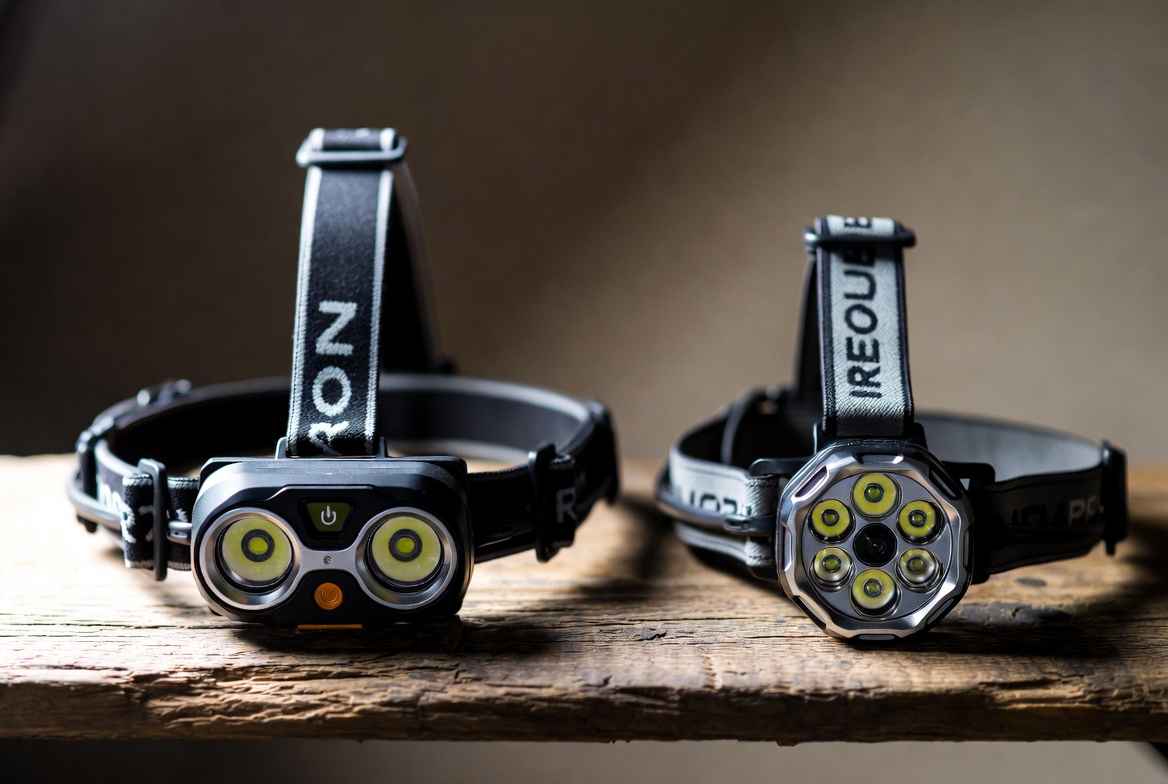
Both the LITEBAND PRO and the Fenix HM71R are solid rechargeable headlamps, but they tilt toward different users. Choose the LITEBAND PRO if you want a lightweight, comfortable lamp for long-wear tasks like trail running, light-duty work, or multi-hour hikes where weight and comfort trump absolute output. Its ergonomics and beam pattern favor mobility and all-day wear.
Pick the Fenix HM71R if you need compact power and more control over output levels for close-quarters work, technical trail use, or when you want a compact lamp that stows easily in a pack or pocket. The HM71R usually gives you tighter beams and more intense hotspot control, which helps for precision tasks and when you need to punch light down a trail.
Trade-off: the LITEBAND PRO typically sacrifices a bit of peak intensity and compactness to achieve better comfort and run-time feel, while the HM71R sacrifices some head-worn comfort for a smaller footprint and higher usable peak output. Consider whether you prioritize all-day wearability and broad beam comfort, or compact power and tighter beam control.
Practical guidance: if your days are long and your headlamp will be on for hours at a time, lean LITEBAND PRO. If your use is more intermittent, short bursts of high output, close work, or minimalist pack setups, lean Fenix HM71R. If you need both, plan for a lamp you won’t mind carrying as a backup: a lightweight second option or a different mounting solution can cover gaps without overcommitting to one compromise.
More BuyerProbe Reads
Keep Reading

comparison / product
Patagonia Torrentshell 3L vs. Arc'teryx Beta SL: Which Rain Jacket Is Best for You in 2026?
A head-to-head comparison of two leading 3-layer rain shells that helps you match performance, weight, and price to your needs—commuting, hiking, or alpine missions.
comparison / product
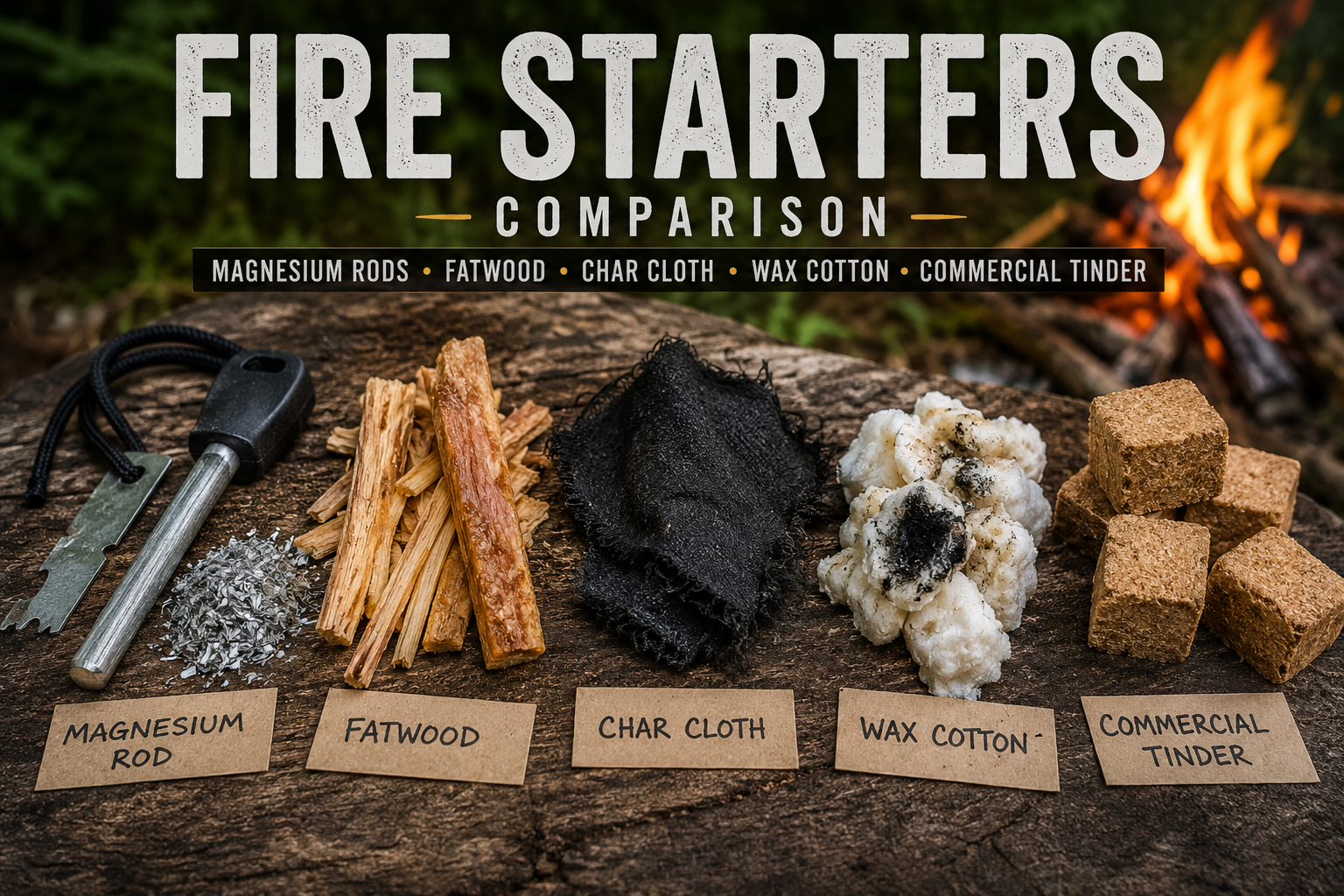
Best Fire Starters Compared: Magnesium Rods, Fatwood, Char Cloth, Wax Cotton, and Store-Bought Tinder
Fire starters all promise easy flames, but they do not behave the same in wet weather, cold hands, or real camp conditions. Here is a practical comparison of magnesium rods, fatwood, char cloth, waxed cotton, rotted-stump charcoal, and commercial tinder.
review / product
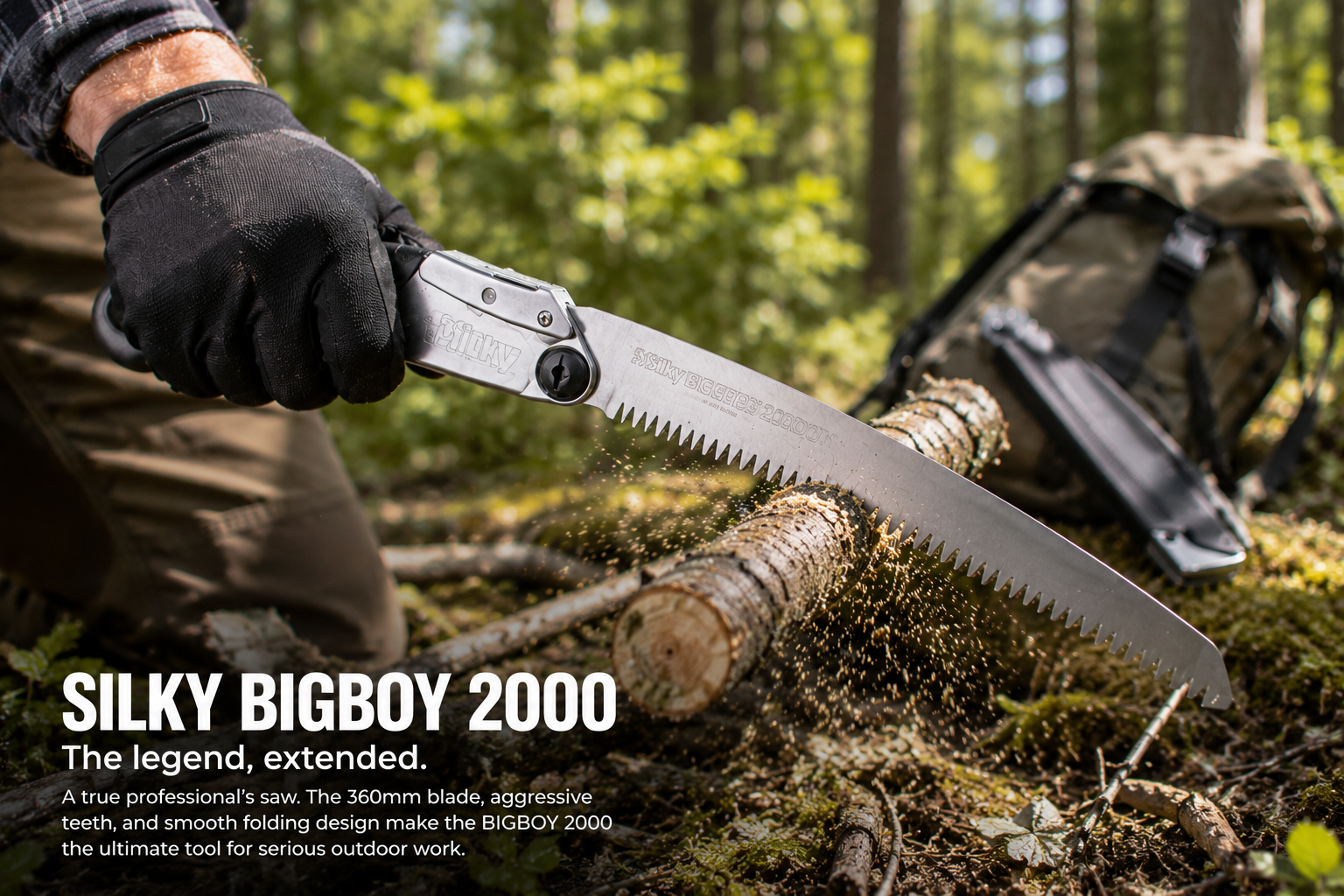
Silky Professional BIGBOY 2000 Folding Saw: durable, fast cutting for heavy yard and trail work
A practical look at the BIGBOY 2000 after a year of regular use. Learn what it handles well, its real limitations, and who should buy it.

review / comparison
The Pink Stuff Review: What It Cleans, What It Can Scratch, and What TikTok Leaves Out
A practical look at The Pink Stuff Miracle Cleaning Paste and what viral videos do not show. Learn where it shines, where it risks damage, and better options for delicate surfaces.
mistakes / buying_guide
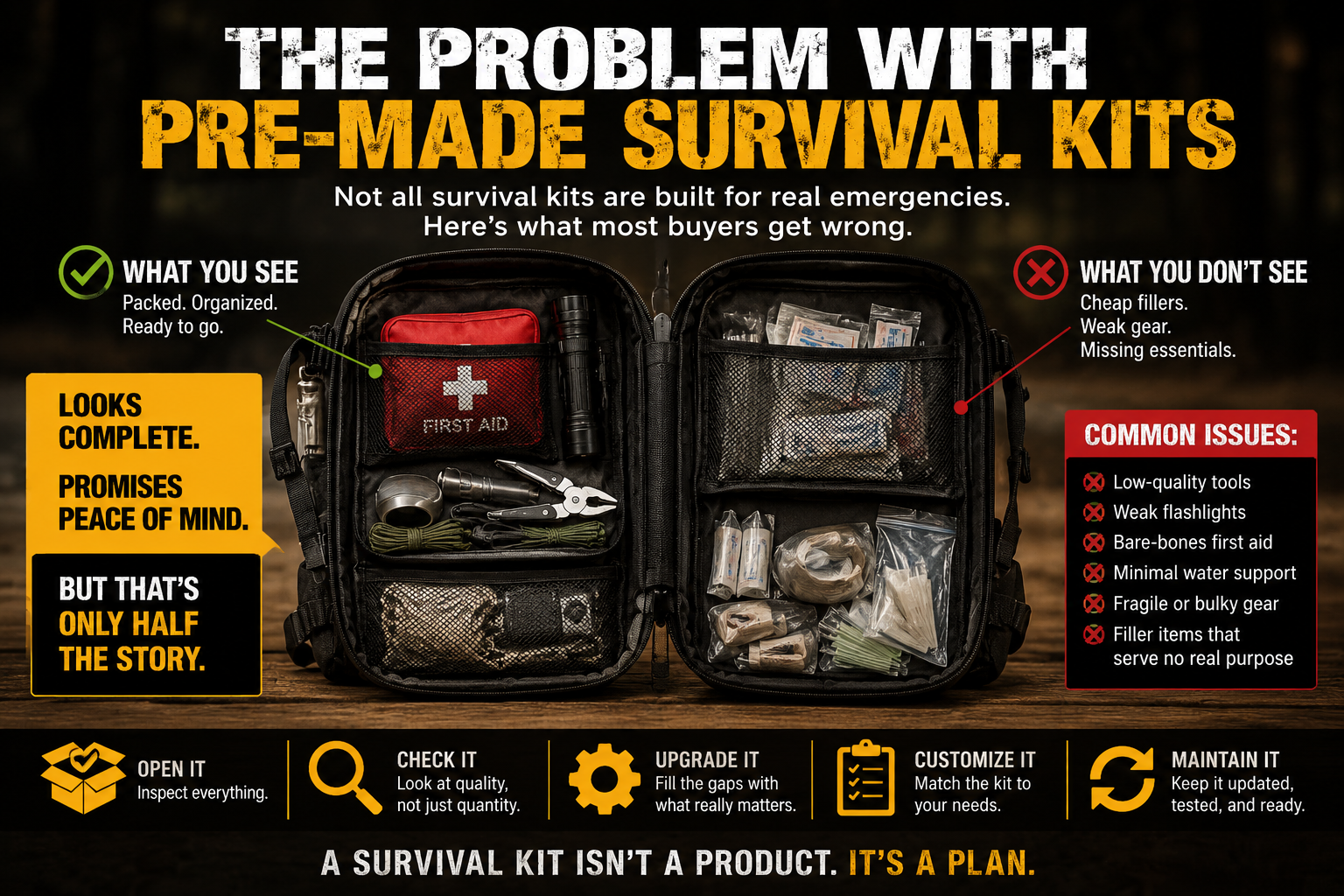
The Problem With Pre-Made Survival Kits
Pre-made survival kits can look like an easy fix for emergencies, but many prioritize shelf appeal over real usefulness. Learn what these kits miss, where they help, and how to vet one before you rely on it.
review / product
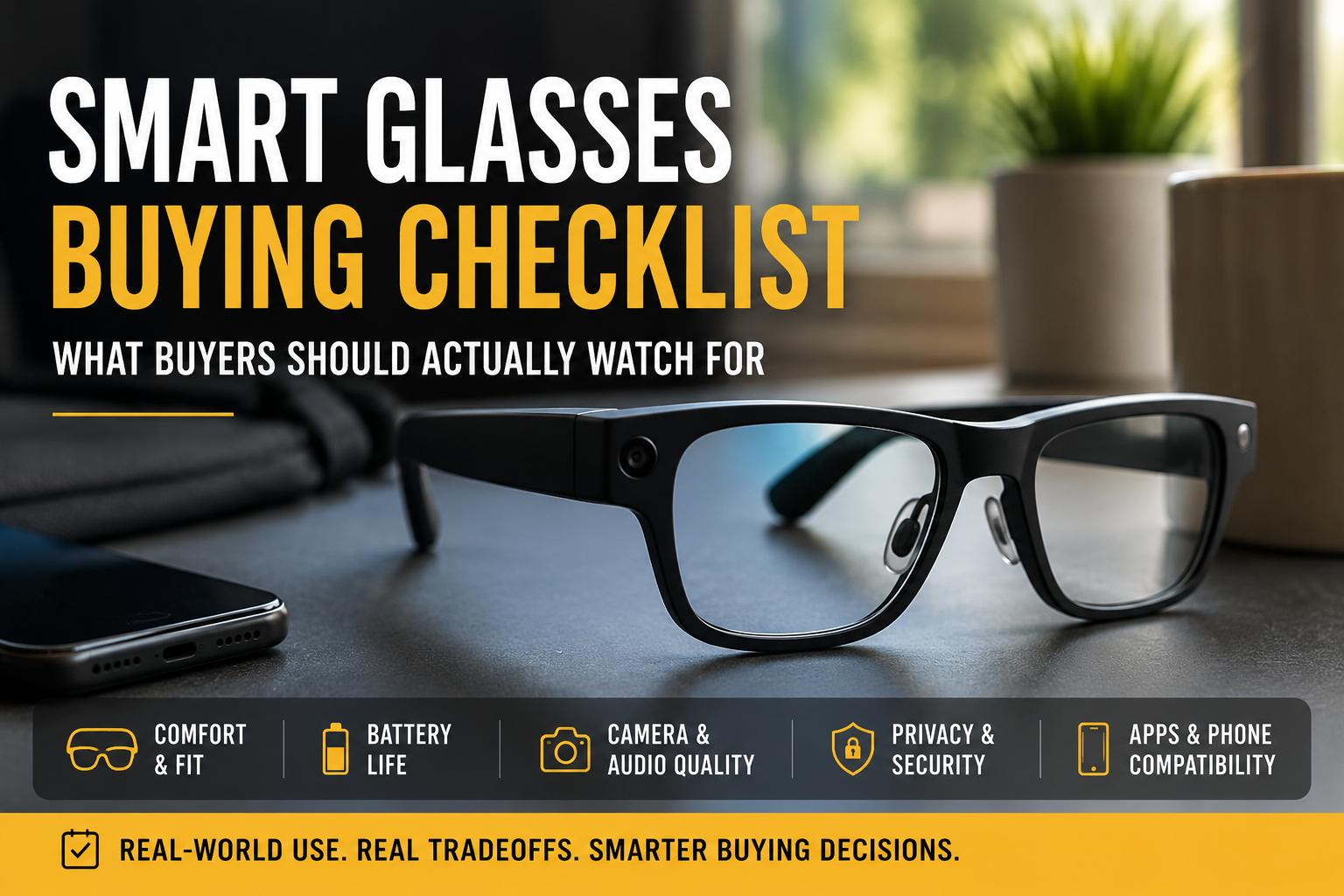
Smart glasses buying checklist: what to actually watch for
Smart glasses are tempting, but don’t buy on novelty. This checklist walks through the practical features and tradeoffs to check before you spend.
buying-guide / buying_guide
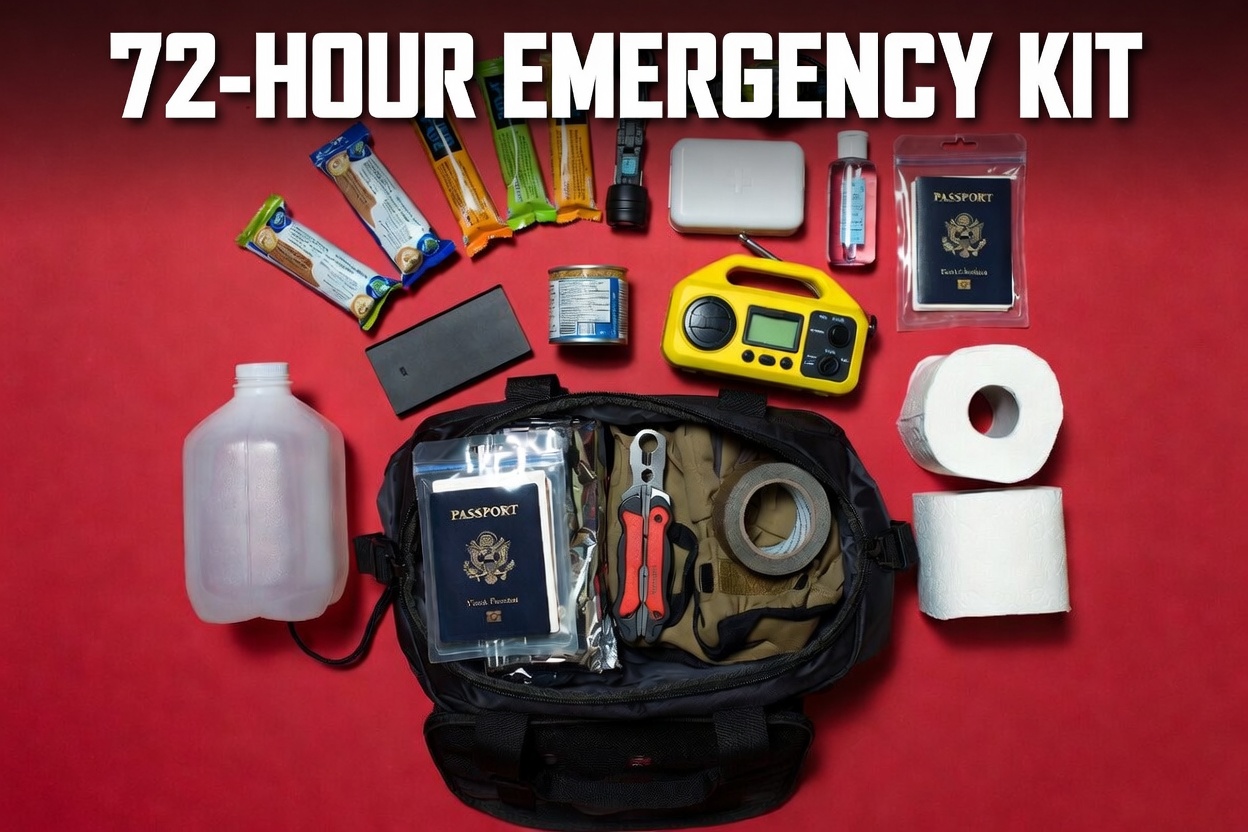
What to Pack in a Practical 72-Hour Emergency Kit
How to build a real 72-hour emergency kit that covers water, food, warmth, hygiene, tools, and meds without filler items that waste space. Learn what to prioritize and what low-value extras to skip.
review / product
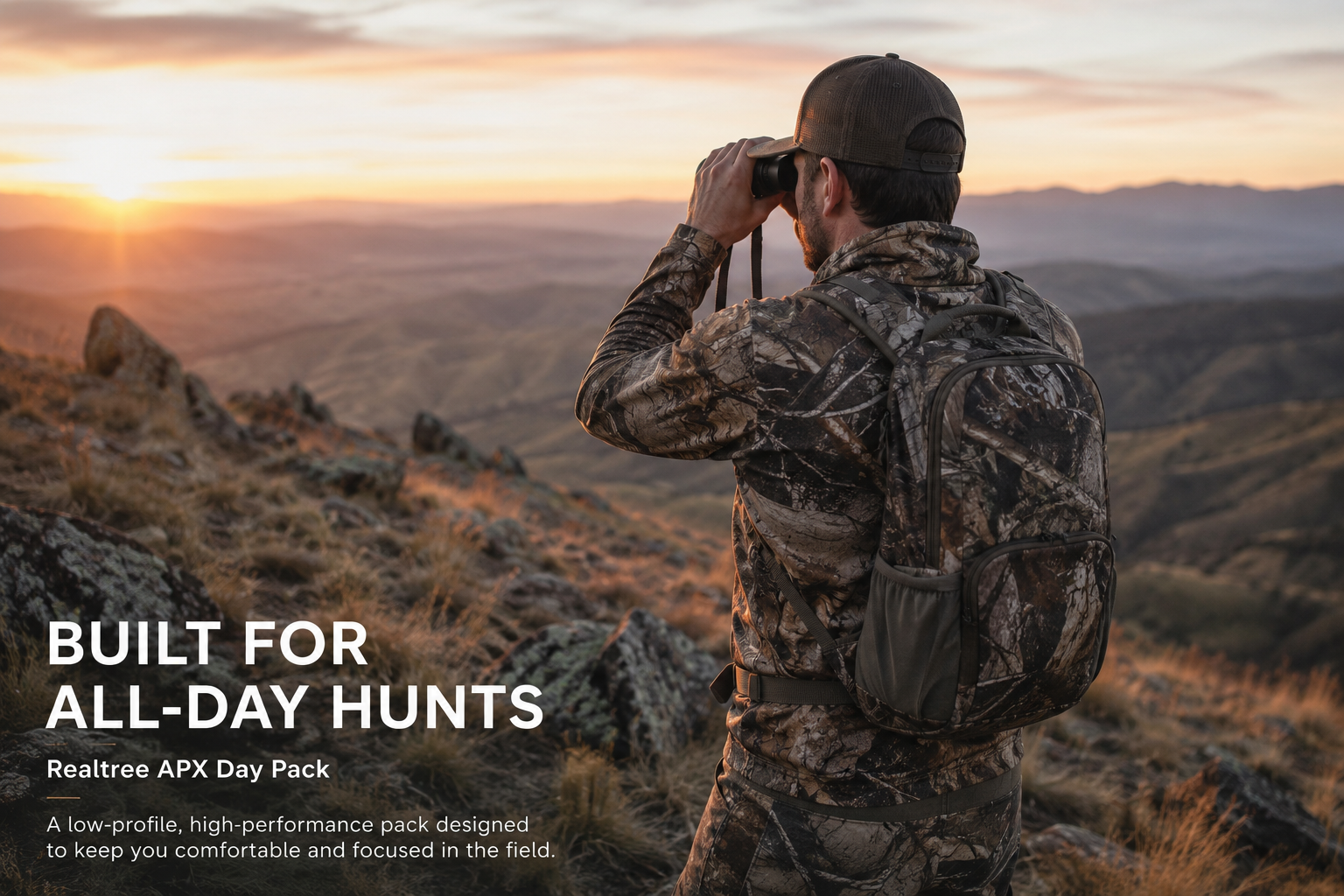
ALPS OutdoorZ Crossfire Pack (Realtree APX) Review: A Comfortable Day Pack for Hunters
A hands-on look at the Crossfire 23L hunting pack. Learn where it shines, who should buy it, and which hunters should look for bigger, tougher alternatives.