comparison
Patagonia Torrentshell 3L vs. Arc'teryx Beta SL: Which Rain Jacket Is Best for You in 2026?
A head-to-head comparison of two leading 3-layer rain shells that helps you match performance, weight, and price to your needs—commuting, hiking, or alpine missions.
Rain Gear / product
Published: May 27, 2026 / Updated: Jun 2, 2026
Prices, availability, and product details can change. Check current details with the seller before buying.

Article
Overview
You get soaked on the trail or stuck commuting in a downpour: that moment makes clear how much a rain jacket matters. Two jackets you’ll see recommended again and again are Patagonia’s Torrentshell 3L and Arc'teryx’s Beta SL. Both are three-layer shells designed to keep you dry, but they take different approaches on weight, materials, and fit.
This comparison looks past brand gloss to the practical differences: waterproofing and breathability, durability, fit and layering, and real-world use cases. I’ll lay out the specs, call out where each jacket shines or falls short, and give straightforward guidance about which jacket suits which kind of user.
BuyerProbe’s aim here is practical clarity. If you care most about value and rugged everyday performance, or if you prioritize minimal weight and premium performance, you’ll find the tradeoffs explained so you can pick the right shell for your gear setup and budget.
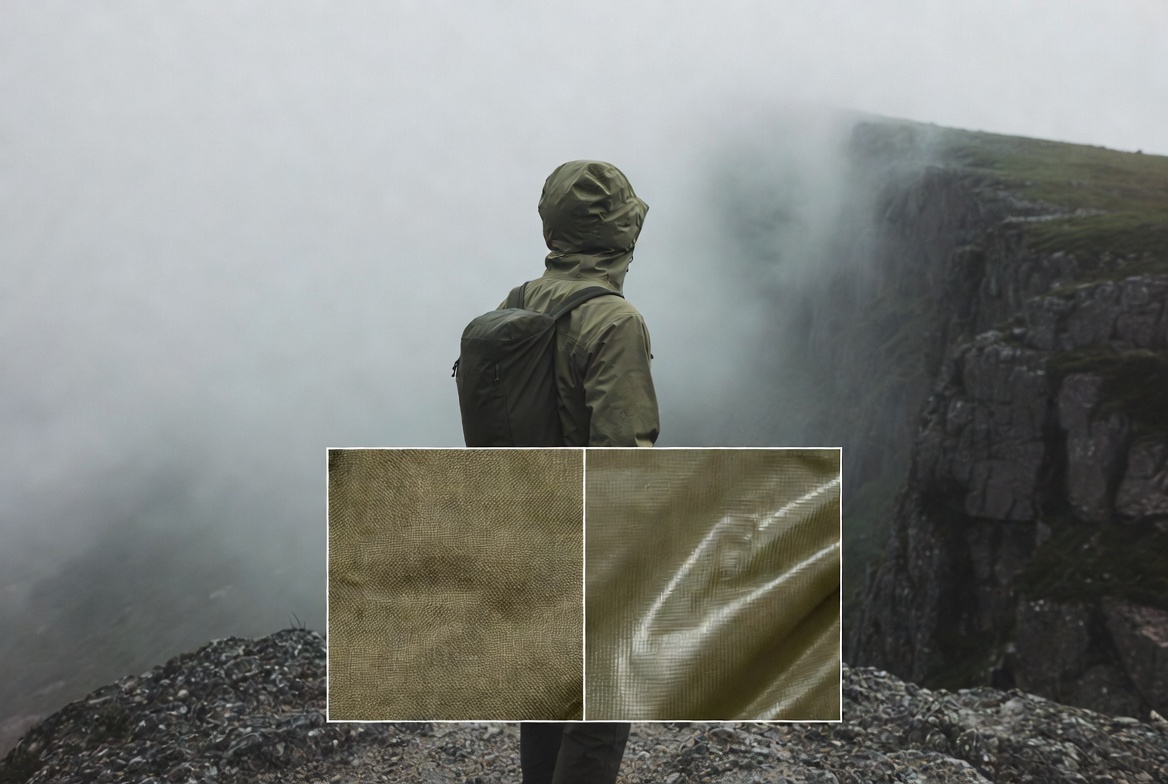
BuyerProbe take: practical choice depends on priorities, not brand
Both the Patagonia Torrentshell 3L and Arc'teryx Beta SL are competent rain shells, but they target different priorities. Pick the Torrentshell if you want straightforward, reliable wet-weather protection at a lower price with more environmental transparency. Choose the Beta SL if you prioritize lightweight packability, refined fit, and premium materials for fast-and-light mountain use.
For everyday use, commuting, and longer car-camping trips, the Torrentshell delivers more value: breathable enough for moderate activity, easy to care for, and often easier to layer under. For technical alpine objectives where weight, low bulk, and a helmet-compatible hood matter, the Beta SL is worth the premium. Be realistic: the Beta SL’s lighter fabric sacrifices some long-term abrasion resistance and reinforcements found on the Torrentshell.
Tradeoff to consider: you pay extra for the Beta SL’s packability and trim fit, but that premium won’t benefit you if most of your time in the jacket is casual urban or day-hike use. Conversely, the Torrentshell’s heavier build is more forgiving and durable but less ideal for minimalist pack lists.
Bottom line: there’s no outright “best” jacket here—pick based on how you’ll use it. Budget-conscious buyers and multi-season casual users lean Torrentshell; backcountry hikers and ultralighters lean Beta SL. If you split time between both worlds, prioritize which features matter most on a typical outing before buying.
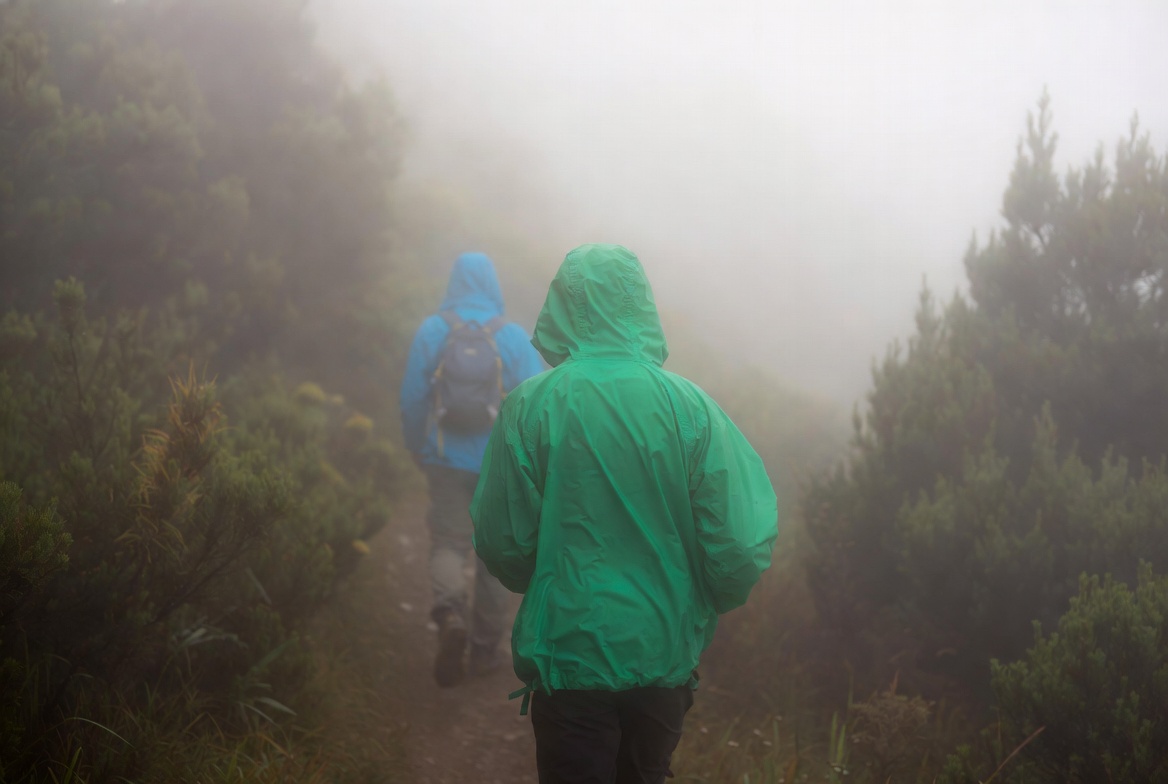
Performance: Breathability, Waterproofing, and Real-World Behavior
Both the Patagonia Torrentshell 3L and the Arc'teryx Beta SL are designed as lightweight waterproof shells, but they behave differently in real use. The Torrentshell 3L leans toward reliable, everyday waterproofing with a slightly heavier, more durable fabric and straightforward construction. That makes it a better match for long days of mixed activity where you might brush against branches or carry a pack for hours.
The Beta SL prioritizes weight savings and packability; its fabric and seam finishes are lighter and more minimally constructed to shave grams. That yields excellent performance in backcountry and fast-and-light scenarios, especially where you’re carrying little else and every ounce matters. The trade-off is that the Beta SL can feel less robust under sustained abrasion and slightly more clammy during high-output efforts than heavier, more breathable shells.
Breathability differences show up most during sustained aerobic activity. If you're hiking steep terrain or cycling, the Beta SL vents moisture faster, particularly when paired with an open pit-zip or layered with breathable baselayers. The Torrentshell 3L manages moisture well for moderate activity but will feel warmer during hard efforts—so plan to layer or use additional ventilation.
In short: choose the Torrentshell 3L for durable, confidence-in-wet-weather everyday use and multi-hour hikes at moderate intensity; choose the Beta SL if you prioritize low weight and fast-drying performance for high-output backcountry days, accepting a durability and comfort trade-off under heavy abrasion.
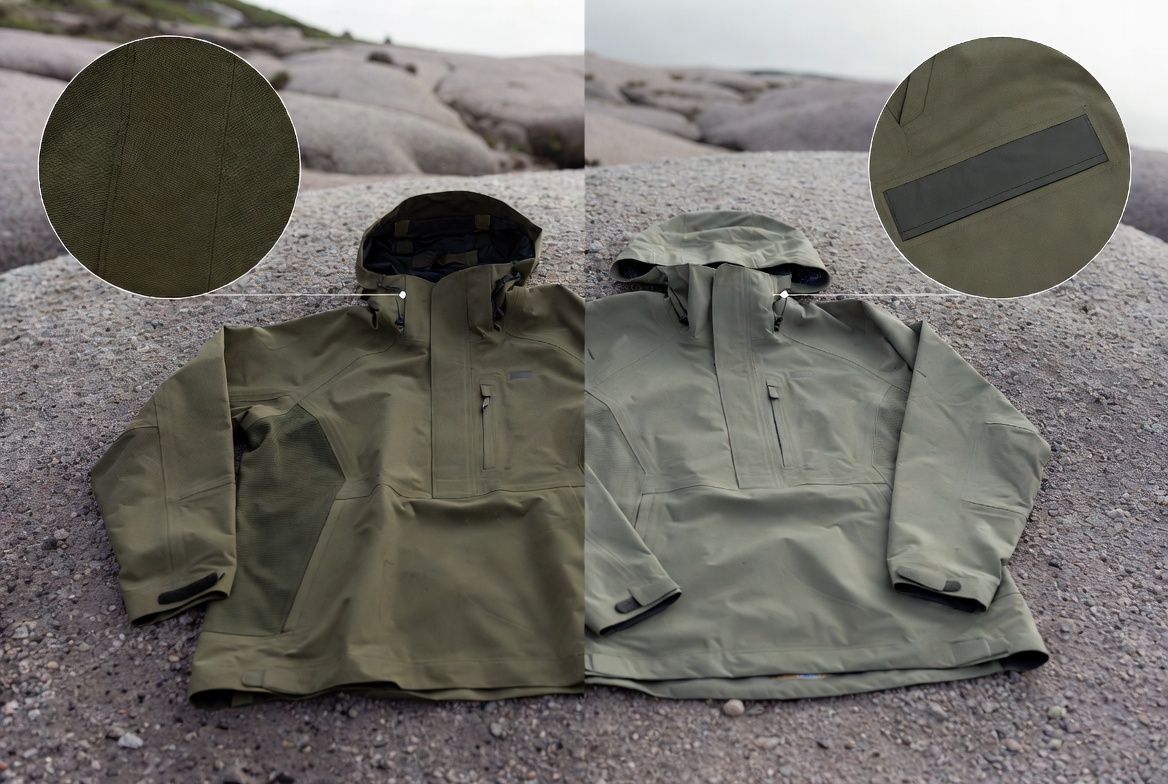
Durability: How These Jackets Hold Up Over Time
Both the Patagonia Torrentshell 3L and the Arc'teryx Beta SL are built with the idea of lightweight, packable rain protection, but they approach durability differently. The Torrentshell uses a heavier face fabric and simpler construction, so it tends to resist abrasion and punctures better on trail use, commuting, and gear contact. The Beta SL prioritizes weight savings and minimal seams; it performs well in general but shows wear sooner if you frequently brush against branches, cram a pack over it, or use it in rugged alpine terrain.
For everyday hikers and city commuters who want a reliable jacket that survives backpacks, bike racks, and occasional scrapes, the Torrentshell is the safer long-term bet. For fast-and-light users who prioritize low weight and are careful with clothing—alpine runners, minimalist backpackers—the Beta SL’s tradeoff (lighter, less abrasion resistance) is acceptable and standard in that category.
A practical warning: seam tape and zippers are common failure points on both jackets. If you plan multi-season use, inspect taped seams and zipper stitching after the first season and reapply seam seal or replace zipper sliders as needed. A small repair kit and a habit of avoiding sharp contact will extend service life dramatically.
Real-world use case: if you frequently shoulder-load a heavy pack or bushwhack through dense brush, choose the Torrentshell. If your trips are low-impact, weight-sensitive, and you prioritize stowability in a minimalist setup, the Beta SL will deliver longer service as long as you treat it a bit more gently.
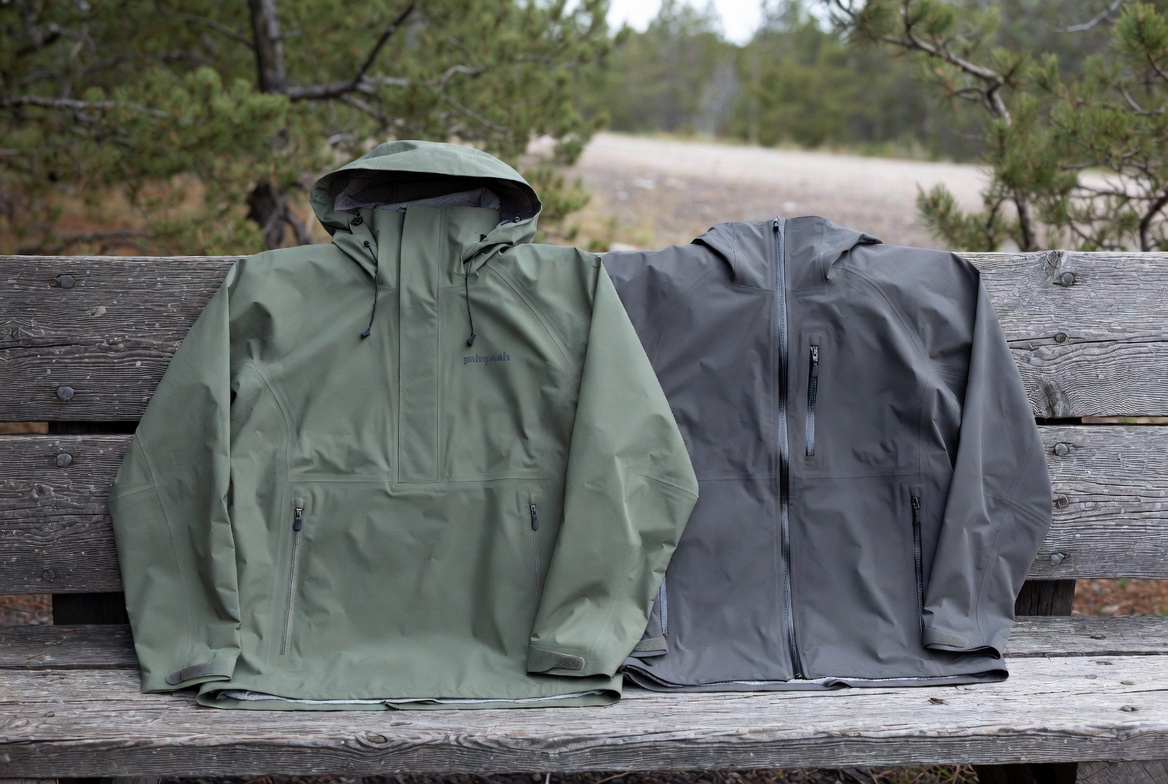
Specs at a glance, what to expect from each jacket
This section lists the meaningful spec differences you should care about when choosing between the Patagonia Torrentshell 3L and the Arc'teryx Beta SL. I’m not inventing exact weights or proprietary membrane details beyond what's publicly stated, but focus on construction, layering, cut, and features that affect fit and use. Think of this as a practical spec sheet — what you'll notice packing, wearing, or repairing the jacket.
Patagonia Torrentshell 3L: built as a three-layer H2No Performance Standard shell with a slightly roomier, casual fit. It tends to have a longer hem and more generous torso room for layering. Key features include a helmet-compatible hood (adjustable), full-length front zipper with storm flap, articulated sleeves, and zippered hand pockets with storm flaps. Seams are fully taped and the design favors weather protection and simplicity over weight savings.
Arc'teryx Beta SL: positioned as a minimalist, lightweight three-layer shell with a trim, athletic cut. The Beta SL emphasizes packability and low weight, so expect fewer soft-shell-style features and a closer fit that reduces flapping in wind. It uses Arc'teryx’s proprietary waterproof/breathable membrane and typically has a more technical hood shaping (helmet-compatible on some versions), a low-profile zipper storm flap, and water-resistant zippers on pockets. Construction aims to balance durability with minimal weight, so paneling and reinforcements are selective.
Tradeoffs to consider: Torrentshell's simpler, roomier build is easier to layer under and to repair or modify; Beta SL's sleeker, tech-focused construction saves weight and packs smaller but may feel tighter over bulky midlayers. If you prioritize easy-to-use features and a bit more value for repairs, the Patagonia spec set is friendlier; if you prioritize lowest weight and a streamlined silhouette for fast-paced alpine use, the Arc'teryx spec set is more appropriate.
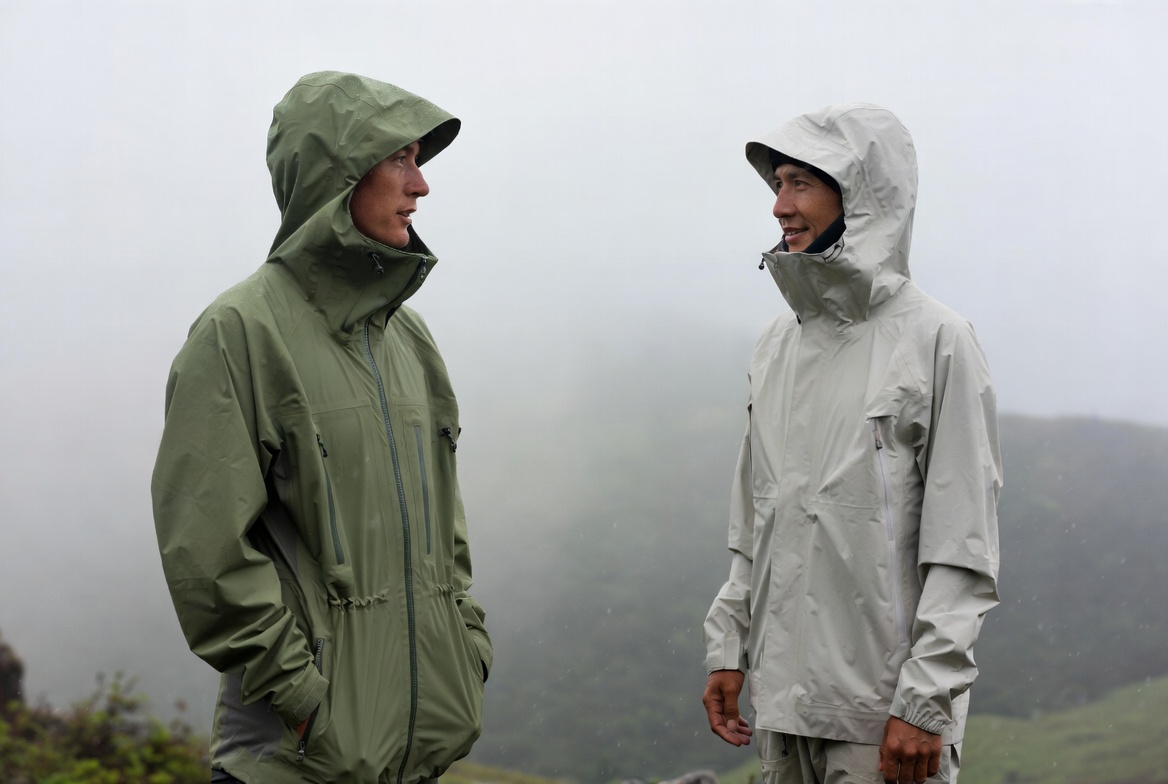
Key takeaways, pick the jacket that matches how you use it
Both jackets are competent rain shells, but they target different priorities. The Patagonia Torrentshell 3L is the practical, value-focused choice: more comfortable for all-day wear, simpler features, and a lower price point. The Arc'teryx Beta SL prioritizes minimal weight and a next-level trim fit, which makes it better for fastpackers and alpine moves where pack space and weight matter.
Choose the Torrentshell if you want a no-fuss, comfortable shell for hiking, commuting, and general outdoor use — especially when you carry a full pack or need a bit more breathability on long outings. Choose the Beta SL when every ounce and streamlined silhouette count, or you expect harsher alpine conditions and might pair the shell with technical layers.
Trade-off: the Torrentshell buys you comfort and cost but sacrifices some long-term ruggedness and elite waterproof/breathability performance; the Beta SL sacrifices a bit of comfort and coverage for weight savings and a sleeker cut. For most weekend hikers and daily commuters the Torrentshell is the smarter, more practical pick; for alpine athletes and ultralight enthusiasts the Beta SL is worth the premium.
Warning: neither jacket is a miracle — if you regularly operate in heavy, abrasive alpine environments or need multi-day endurance in severe storms, consider a tougher, more protective hardshell or layering plan rather than expecting either shell to do everything forever.
More BuyerProbe Reads
Keep Reading
comparison / product
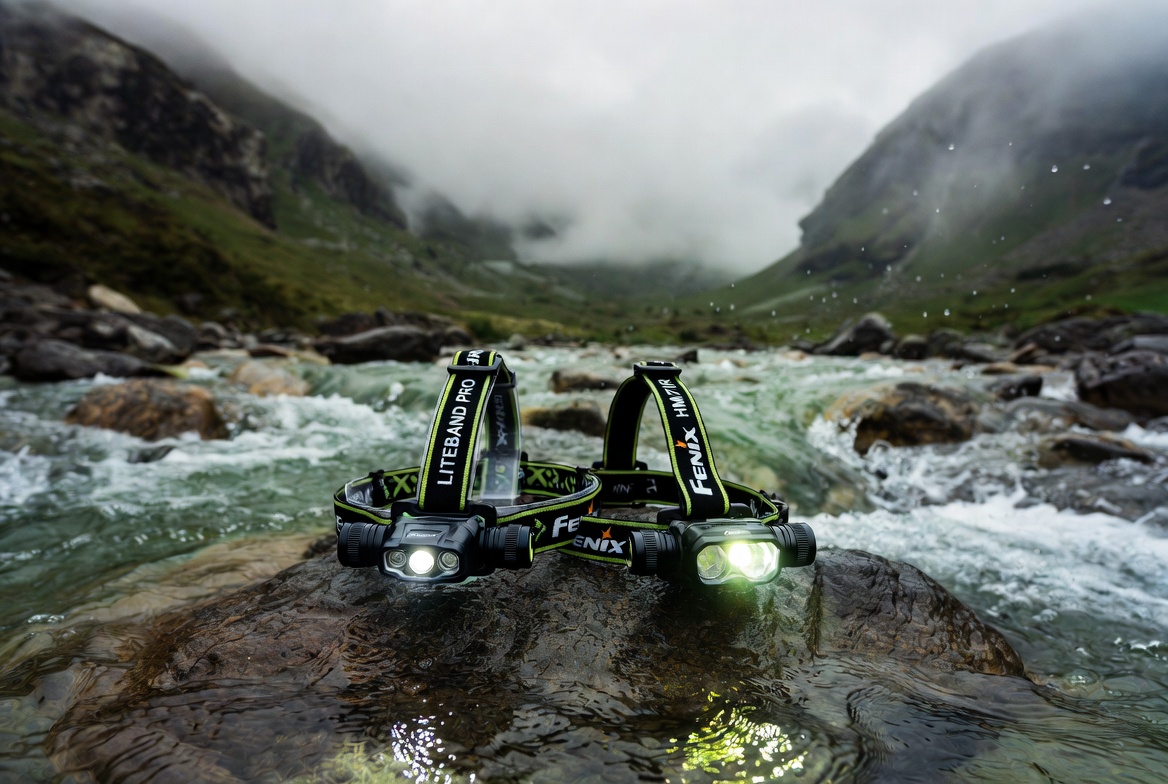
LITEBAND PRO vs Fenix HM71R: Which Rechargeable Headlamp Fits Your Work and Outdoors Needs?
A straight-up comparison of the LITEBAND PRO and the Fenix HM71R covering brightness, beam control, runtime, fit, and durability so you can pick the right headlamp for your tasks.
comparison / product
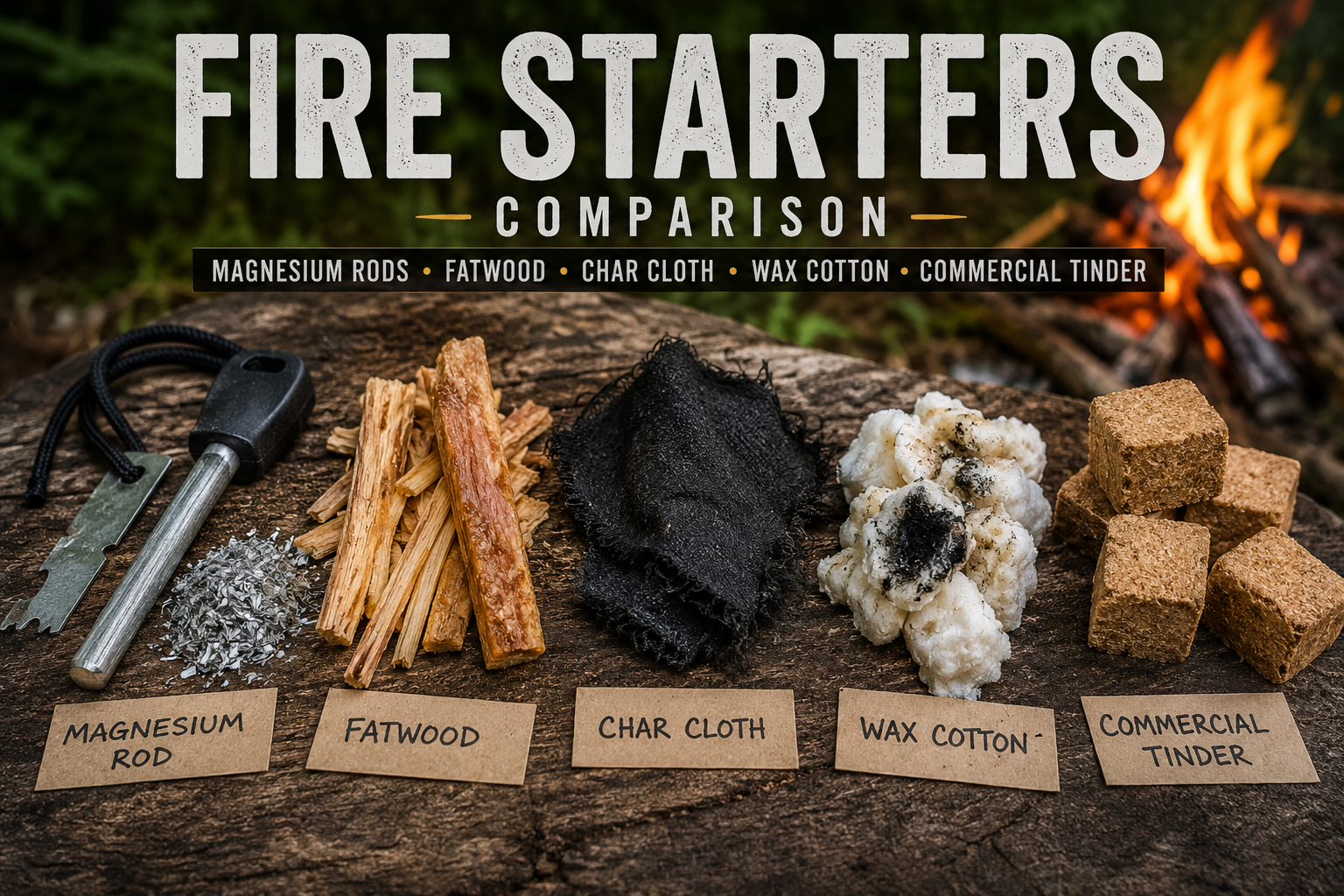
Best Fire Starters Compared: Magnesium Rods, Fatwood, Char Cloth, Wax Cotton, and Store-Bought Tinder
Fire starters all promise easy flames, but they do not behave the same in wet weather, cold hands, or real camp conditions. Here is a practical comparison of magnesium rods, fatwood, char cloth, waxed cotton, rotted-stump charcoal, and commercial tinder.
review / product
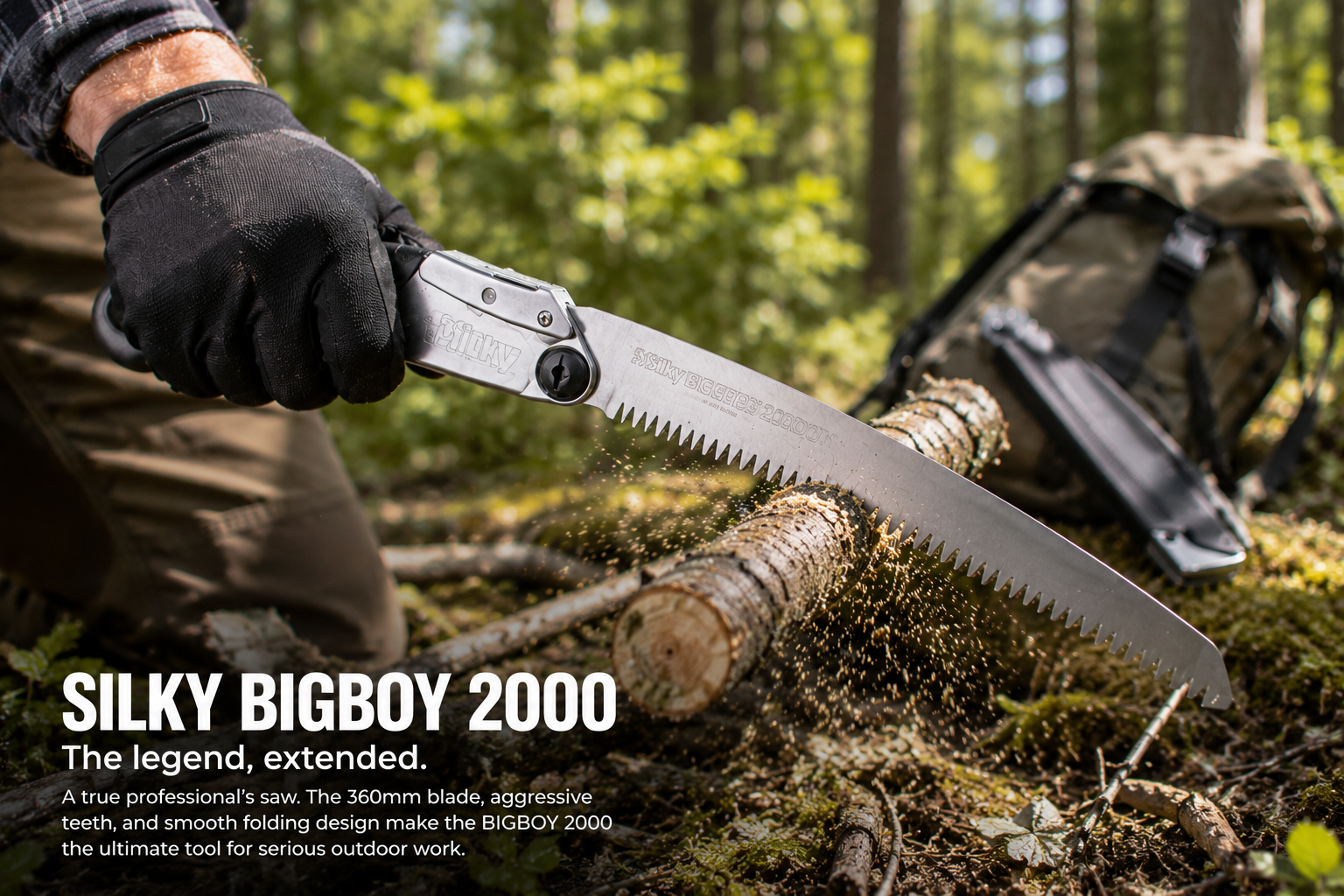
Silky Professional BIGBOY 2000 Folding Saw: durable, fast cutting for heavy yard and trail work
A practical look at the BIGBOY 2000 after a year of regular use. Learn what it handles well, its real limitations, and who should buy it.
review / comparison
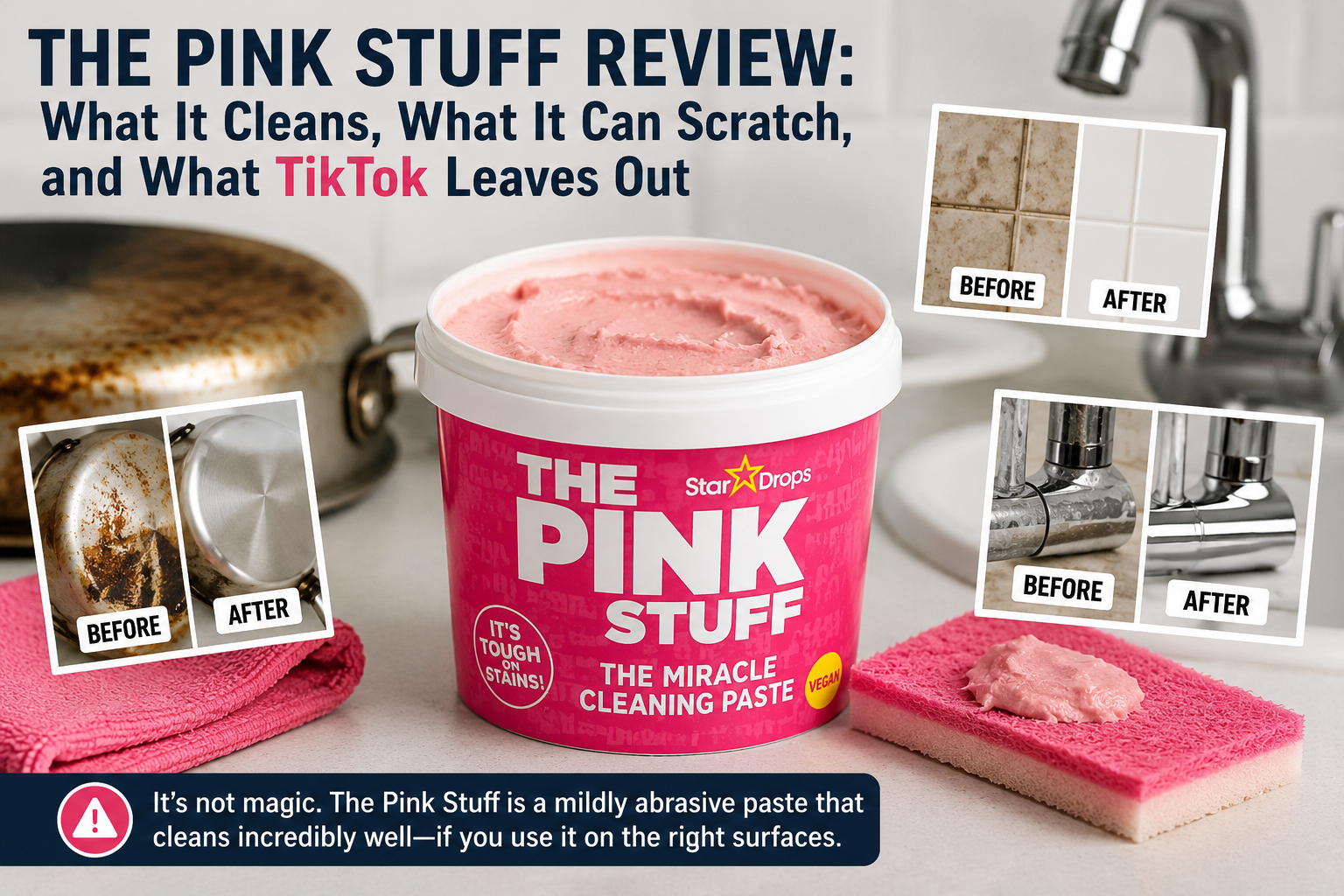
The Pink Stuff Review: What It Cleans, What It Can Scratch, and What TikTok Leaves Out
A practical look at The Pink Stuff Miracle Cleaning Paste and what viral videos do not show. Learn where it shines, where it risks damage, and better options for delicate surfaces.
mistakes / buying_guide
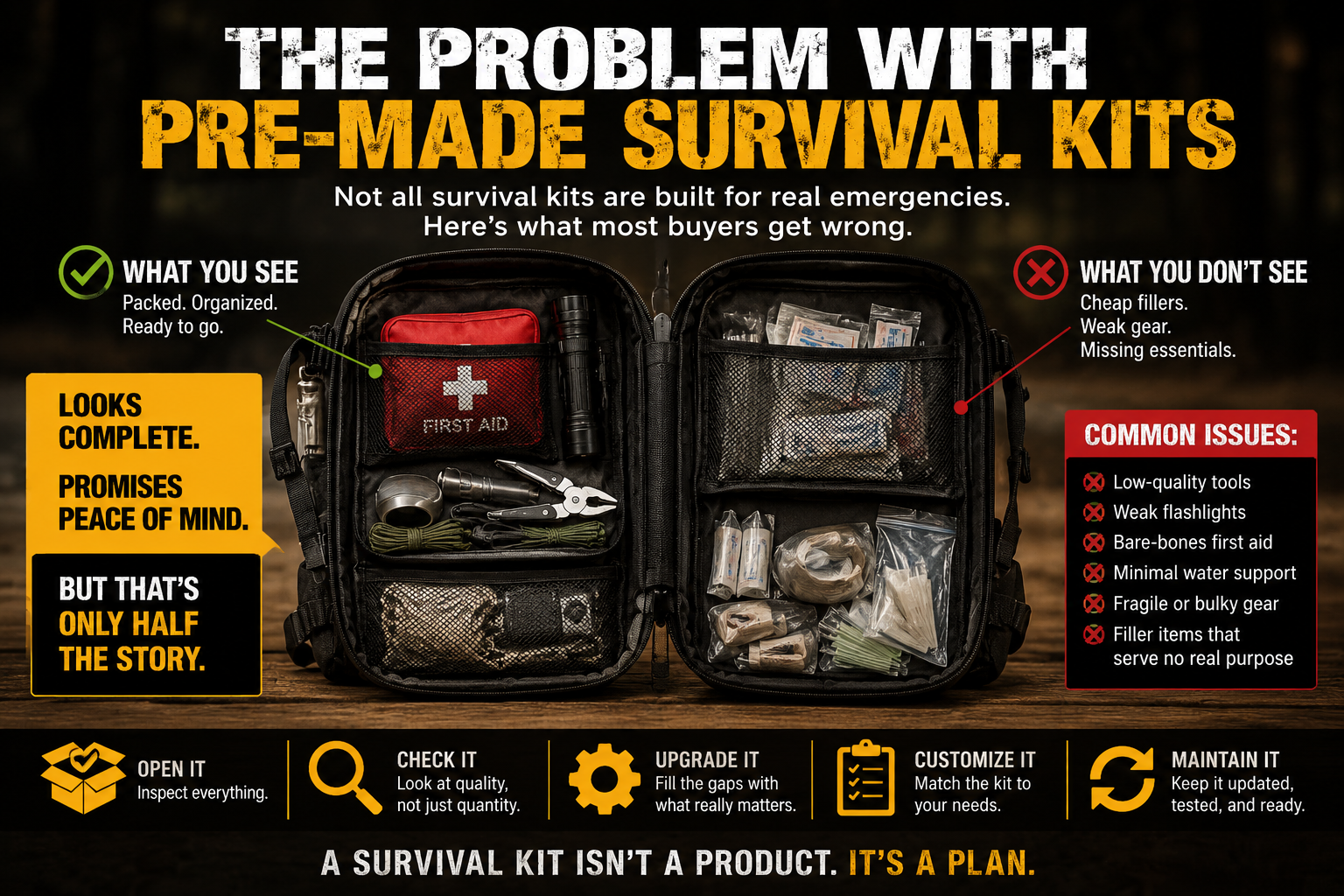
The Problem With Pre-Made Survival Kits
Pre-made survival kits can look like an easy fix for emergencies, but many prioritize shelf appeal over real usefulness. Learn what these kits miss, where they help, and how to vet one before you rely on it.

review / product
Smart glasses buying checklist: what to actually watch for
Smart glasses are tempting, but don’t buy on novelty. This checklist walks through the practical features and tradeoffs to check before you spend.
buying-guide / buying_guide
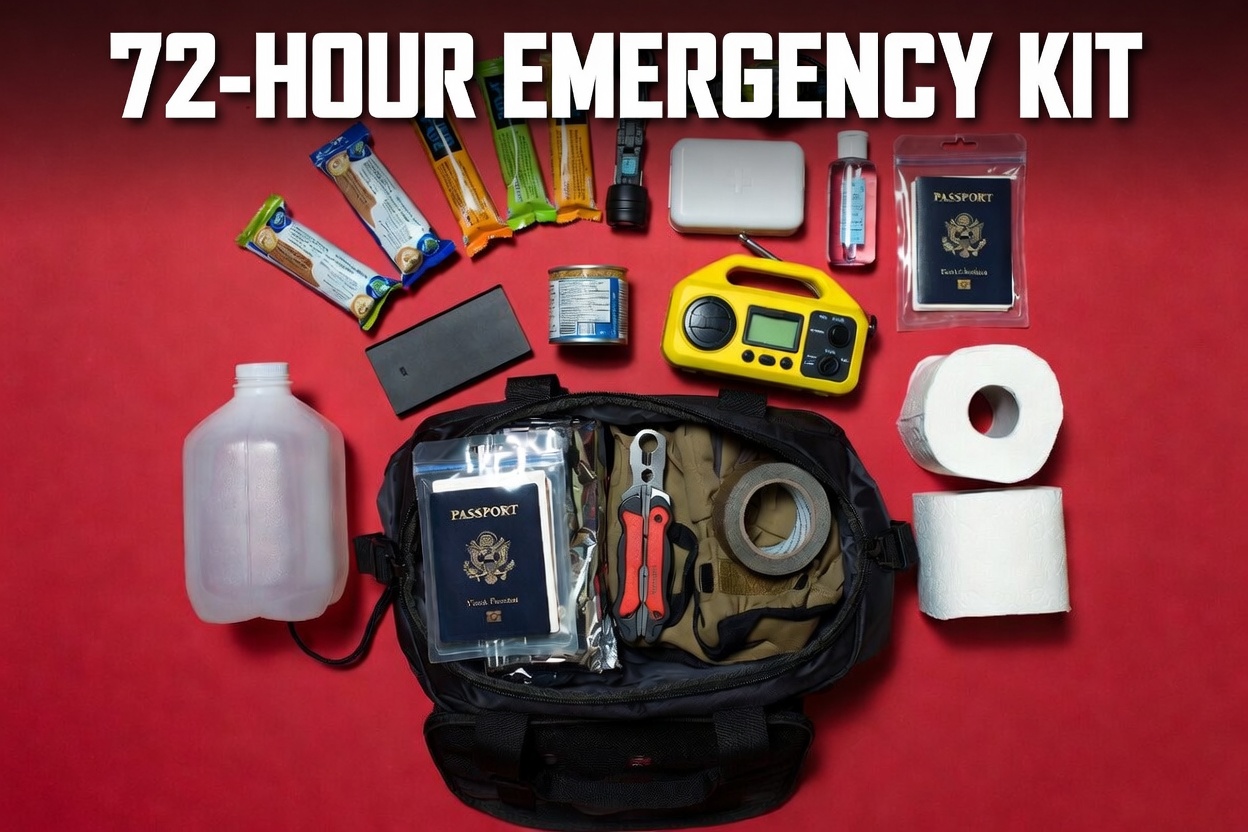
What to Pack in a Practical 72-Hour Emergency Kit
How to build a real 72-hour emergency kit that covers water, food, warmth, hygiene, tools, and meds without filler items that waste space. Learn what to prioritize and what low-value extras to skip.
review / product
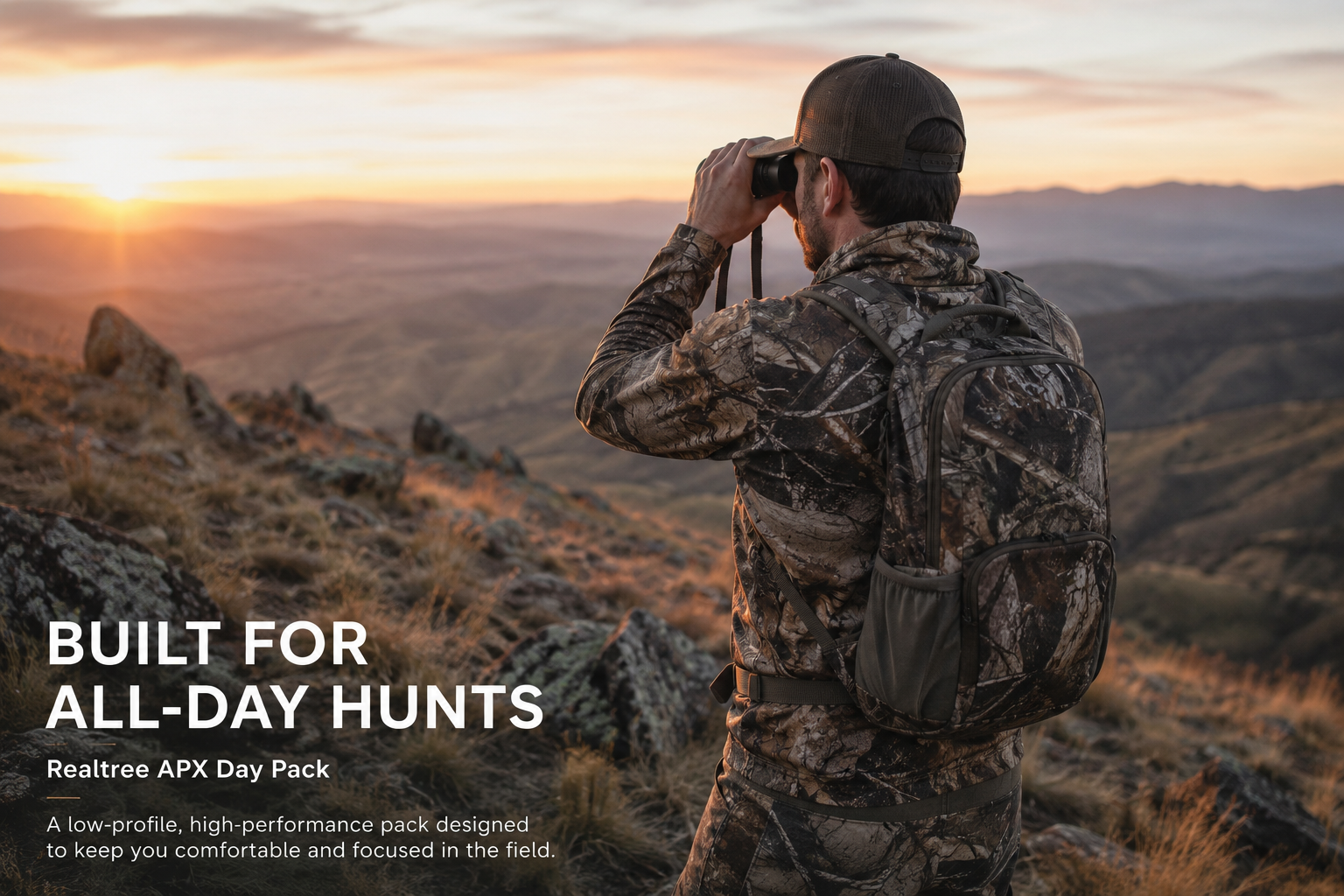
ALPS OutdoorZ Crossfire Pack (Realtree APX) Review: A Comfortable Day Pack for Hunters
A hands-on look at the Crossfire 23L hunting pack. Learn where it shines, who should buy it, and which hunters should look for bigger, tougher alternatives.